Music
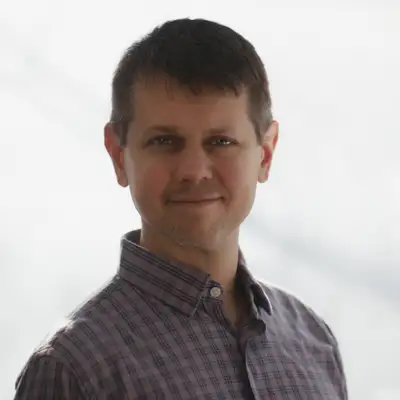
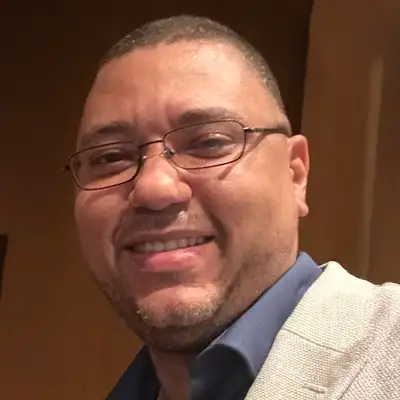
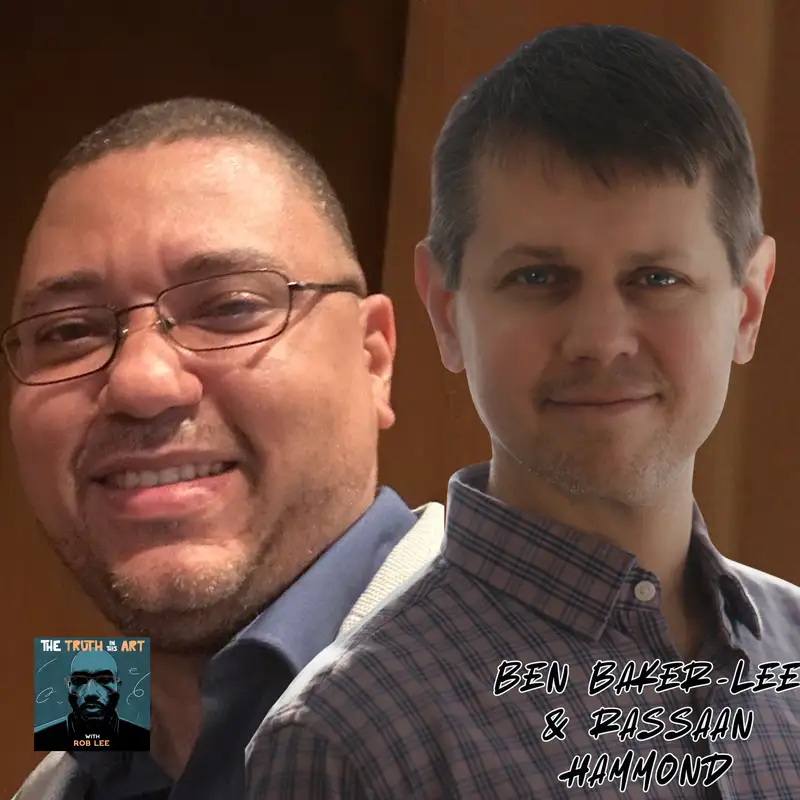
Rob Lee: Welcome to The Truth In His Art, your source for conversations connecting arts, culture, and community. These are stories that matter, and I am your host, Rob Lee, except no substitutes. Today, I am honored to welcome the co-directors of A Life in Art through the eye of Dr. Leslie King Hammond, a long-in-the-making personal portrait of a Maverick art world troublemaker. The film follows Dr. Hammond from studio visits to museums, showing how she opens doors for artists of color with humor, wisdom, and a fierce conviction. It celebrates her work as an art historian, educator, mentor, and cultural architect, blending observational documentary craft with an intimate family perspective. So please welcome to the program Ben Baker Lee and Rassan Hammond.
Welcome to The Truth In His Art. Thank you. Thanks for having us, Rob.
Thank you for both for coming on. It is rare, right? Usually, I'm doing the one-on-one, but there is an instance in this whole time. It's always with filmmakers, right? Like, I did a film festival, and I'm doing a live thing in front of an audience of 300 people, and it's a 10-person panel. And I'm just asking folks about their influences, and I'm getting sandbagged. So it's always something of breaking those rules for the filmmakers, you know what I mean?
Benjamin Baker-Lee: Yeah, glad to be the exception.
Rob Lee: So starting off, as I'm one to do, since I have two of you here, and I like to let the guests really shape and control their narrative, I would love it for the both of you to introduce yourselves. And in that introduction, could you name a movie or maybe even a director that influenced you growing up?
Rassaan Hammond: Well, first off, my name is Rassan Hammond. I am born and raised in Baltimore, Maryland. And the short answer, I would say maybe Steven Spielberg. I was a big sci-fi kid growing up, so raised on Star Wars and E.T. and also big in the comedy. So, you know, Spielberg would be my first go to, maybe George Lucas, something like that.
Benjamin Baker-Lee: Yeah, I'm Ben Baker Lee. I'm also born and raised in Baltimore. And yeah, I remember seeing 2001, A Space Odyssey in the theater at the Senator Theater, actually. And that was the moment I knew I think I wanted to make films right there at the end. I was always painting a lot as a kid and somehow I had the sense that the paintings weren't ever finished. So, and then somewhere in that film, I felt like, oh, a movie is like a movie painting. That could be what I'd do.
Rob Lee: Yes, that's, I love hearing that. You know, sci-fi, I wasn't thinking sci-fi for both of you or sort of like space being a thing. So, in diving into that a little bit deeper, is there a specific thing, whether it be the film or whether it be the style of the director that now is adults directing and being in film? Is it anything from those films or from those directors that stuck out and stuck with you? Hmm.
Rassaan Hammond: I think for me, I like the production aspect of it. I like the creativity of setting the mood, setting the, just the premise for the production, the scene, whatever it may be. And bringing, letting the entertainer shine, if that would make sense. Making them, so I went to school for the arts and a big thing that we learned is, you know, let the performers be performers. And so you have to shine the light on them. And being in the production department, that was a big thing. So, you know, if my sound isn't right or if my lights aren't right, then you can't shine the way that you want. And so I want to put you in the best possible situation so that you can be at your best for us.
Rob Lee: That makes sense. That makes sense. I, I thought a little bit for maybe about a year at BSA. Really?
Rassaan Hammond: Yeah, yeah. Yeah, yeah. That's all in the mod. I'm good for you.
Rob Lee: Ben, you have any thoughts? Benetta? Yeah.
Benjamin Baker-Lee: For some reason, Verner Herzog comes to mind as a director who is equally living in the narrative and documentary world. And one of his films, Fitzgerald, though, he actually dragged a steamship over a mountain in the Amazon. And it just kind of brings out to me as an example of, you know, no obstacle is really going to stop you if you want to do it. And that, you know, your challenges become your, your way to transcend any kind of limitations that you might have in your mind. And that's something that certainly was true with, with us on this project and some others in terms of just, you know, finding the time for the production like we're saying or whatever it may be. Leslie's life story itself is an example of that kind of spirit. Yeah.
Rob Lee: So, and we're, we're going to go into that, you know, the film in a moment, that's definitely a big chunk of what this conversation is going to be about. But, you know, with it, thinking about that initial draw, that initial hook to, to filmmaking, you can start off enjoying film, but it's a lot of hard work.
It's a lot of time, it's collaboration, it's personalities, things of that nature. You know, as I was sharing before we got started, I've been doing this for pretty long time. But the first, I guess, 10 years, I wasn't doing interviews. I was just kind of riffing with friends and doing improvisational stuff.
So it's almost like restarting when I went into the sort of interview space. And when I was a young person or even in high school, and hint, I thought I was going to be a filmmaker and somehow podcasting became a thing and recording audio. So what was the, the draw, and I think the hook for all of it is story for me, but what was the draw or the hook to explore filmmaking? What was that early journey like laying that foundation, leading us to where we're at in recent years? What was that early journey like going into filmmaking?
Benjamin Baker-Lee: I found myself from, from when I first was gifted a video camera in high school, I would just bring it with me everywhere. I was always documenting whatever I was doing.
I still have a big old case of videotapes from over the years that I've never really looked at, most of them. And so it was my way of being, I guess, you know, there's a sense of observing, of being a witness when you're behind the camera. There's a sense that you are really able to see what's going on in the most, in a truthful way.
And that to me was always very exciting about film that you could capture and tell your story in terms of a lived experience, convey truthful emotion, even if it's not a documentary.
Rassaan Hammond: I mean, for me, I think growing up in an art institution because my mother was the dean at MICA. And so I was privy to be around artists a lot in my life early on.
With that being said, I didn't really understand art or artists at all. And so for me, you know, my mother would bring me around these different environments and I, you know, I just gravitated to the audio visual side of things, as opposed to drawing or painting or even music production. I liked electronics. I liked gadgets and stuff.
And so that kind of drew me into the space. And a neighbor of mine, his father was a photographer. And so aside from him always taking pictures and stuff, he would take us on jobs and stuff for the Baltimore Sun. And so naturally we would have cameras and be playing with them.
And I also got a video camera at, you know, when I was 10, 11, something like that. And just, you know, we played. We played a lot. And so we had our little director stints and stuff. And, you know, never really did I think that I would spin in anything.
It was just more or less something we did as kids to keep us out of trouble on the streets or whatever. And, but, you know, see where life takes you and it has grown and stemmed into a life of productions, careers, weddings, music videos, etc., etc. And now we have a documentary film under our boat.
Rob Lee: That's really great to hear. And having that exposure to a device to play to explore, because really the art, the creative thing, while it is work, it's also fun. That's the intent that's in it, it's creative expression and such. And, you know, I still have the first recording device that I have when I started podcasting. I don't have my first mic. I had one of those little notes to self-soda joints back in the day. And I remember being in a basement with my friends, having some of the stupidest conversations about pro wrestling. And I was like, I got to record this.
We're talking about Kurt Engel right now. And it's just what we had. And so definitely being able to just have that resource there and explore. And like you're touching on, you don't know where it's really going to spend you, but you have that amount of time and experience and develop and a love for it. And one of the things that you mentioned was the music video at the back end. So I want to talk a bit about the music video I got a link for. I took a look at it earlier. You know, the Joyce J. Scott's featuring the I.K.
LaWall-Muhammad. It was screened at Joyce J. Scott's 50th Thrust Respective. So can you both talk about the experience and making a video? What was it like? And what was it like being a part of honoring Joyce J. Scott?
Benjamin Baker-Lee: It was an incredible experience. We had actually heard this song for some years. She recorded it 10 years before we made the video at Verson's studio, a background recording studio for Music Here in Baltimore. And it was totally free-styled off the top of her head. Mr. 14th producer there had made the beat and had just come up with it and said, here, just flow over this.
And so that was the political era that that song came out of. So when 10 years later we felt, oh, this is the time we should do this. Verson came to me and said, I got something for us. And we remembered the song and met with Joyce and K. about it. We all agreed that the only way it made sense was if we were honoring Baltimore with love. Because the song could be taken depending on what visuals went with it to be very disparaging of the city that we all grew up in and love. So yeah, we came at it from that angle that we really wanted to show love for our city, not romanticize it, but to give it the respect and the love that we have for it.
And yeah, the opening image of that video is actually from the platform where a Confederate general statue had been taken down not long before we shot right across from Baltimore Museum of Art and Harry Tubman Plaza there. So that was the kind of way we were looking at it. That Joyce was a kind of powerful figure in our city who actually represented a kind of redemption for the city and a kind of blessing through her work and her presence.
Rassaan Hammond: Yeah, I mean, for me, that was that's Joyce is my godmother and growing up. So I've known her since what she's known me rather since I was a child. And, you know, I've worked with her on some of her theater productions growing up over the years and things. And, you know, I was just excited to have her at my studio to that, you know, she would even be honored enough to ask me to record something for some other production. And so when I had her come in, I had already had it planned out of my head that we're going to do something else. And, you know, I had my producers there and, you know, I had some some wine for her. And, you know, we just got her in the right mood. And so I had him playing these beats like randomly as we after we had worked on our stuff. And it didn't take her but, you know, five minutes to be like, Oh, do you mind if I go freestyle over this?
And I was like, Oh, of course, I would love for you to go, you know, even though I'm like that was my plan the whole time. So, you know, she went in there and she did her thing and it was a freestyle and then she called up K and K came down. She said, Yeah, something kind of Baltimore I could throw on there and it went right with it.
And so we had this song for like, you know, like I said, over a decade and it was on tuck. And one day I just say, Hey, Ben, you know, like I'm just playing music from the studio and I love that song. I said, That'd be so cool to do with Joyce and then said, Do you think she'd do it? And I said, she'll definitely do it. Although she didn't really understand the concept of any of it when we started. She thought we were just going to the park to interview her kind of thing. I was like, No, we need you to like perform kind of thing. And she was like, I don't get. But after like the second or third shoes, you really got into it. And we had a super fun time doing it with K and Joyce. They are rascals. Super fun though, great, great performances and really glad we got to do it with them and that people got to hear the song and got to see our visuals.
Benjamin Baker-Lee: And it was really a tremendous honor, you know, because I grew up, my mother was a professor of art history at UMBC. I grew up with Joyce's work images of her work or books or catalogs around my house. So she was always a star to me. And, you know, I had known her through Versailles for almost as long as I knew Versailles over 20 years, but it was just an incredible honor to be able to work with her in this way. And K, they're just, you know, incredible.
Rassaan Hammond: Yeah, and we wanted to do something that she didn't have in her repertoire of artistry. You know what I mean? So we were excited to give her a different element and, you know, like we don't typically see beat artists coming out with music videos. So we were like, yeah, let's do something out of the left field. That's art. Yeah.
Rob Lee: And I really dug it in watching it and really appreciating and definitely the homage and love for Baltimore comes through and the visuals. That was the thing. I was like, okay, okay, let's steal this idea for my own thing, which is a compliment.
I got to steal some of these visuals. You know, flattery, right? And, but yeah, it's just really, really cool. It looked like a really fun production. And I think it just really honors people. And I think at times that's the thing that gets lost and honoring folks and doing it in a way that feels like pretty authentic to the place and to the person.
Rassaan Hammond: And that's where we were going towards. I think good words use authentic is, you know, these are all places that we're endearing to Joyce and Kay. These are places that they grew up and places that they visited and places that they hang out. And because of that, you know, we wanted us to feel natural and normal and, you know, Joyce eating crabs somewhere is just as normal as her eating snowballs on the block. So, you know, we wanted to feel Baltimore and just authentic on top of that. That makes sense. Absolutely.
Rob Lee: So we're going to switch gears and to sort of the, you know, upcoming main event sort of situation in these next several questions. So I want to talk about the film life in art through the eye of Dr. Leslie King Hammond. So when did the that initial idea, that initial spark of let's do this, let's document this, let's make this. And for the folks who are undeped and unfamiliar, could you give us sort of that one sentence description of what we have here? Hmm.
Rassaan Hammond: I don't know about a one sentence. I'll say this. We started this project. I don't want to say by accident, but I will say my mother kind of stemmed it. She called me one day and said, Hey, I've got one of my students, Amy, and she's painting this painting of Michelle Obama. I would love it if you come down here and we interview her kind of thing.
And so I called Ben and we said, Sure, let's let's do it. Yeah, my mom not going to tell right now. And so we showed up and we she was Amy was in there working on Michelle Obama's painting. And so we recorded her and then maybe a few months later we went back and did it again kind of thing. And so we started this project a little bit before COVID, but it wasn't until after COVID that Ben came to me and said, Hey, you know, we should shoot a documentary on your mom. She does this stuff. And so we just already had been recording footage over the years of random stuff. And it just sounded like a good idea. Like we have worked on a documentary before called Healing Meme probably a decade or two ago where we shot at it.
Jessup the female correctional facility. And we had a great time deepening on that project, but we wanted to do something of our own and you know be directors of our of our own. And so we just decided, Yeah, we're going to take on this task. So Ben really came to me with the idea and it just sounded too good not to do. Now granted, I didn't realize that it was going to be another five years before we completed this project. But you know, that's how things go sometimes and a lot of a lot of hard work, but it was super worth it. And yeah, I'm glad to be here talking to you now. So yes.
Benjamin Baker-Lee: Yeah. And if I were to try to talk about the project in one sentence,
Rob Lee: it could have to be a one sentence. I sure change you as long as you wanted to be. I gave you all these around.
Rassaan Hammond: We wrecked that. I'm sorry. Yeah, my fault.
Benjamin Baker-Lee: Dr. Leslie King Hammond has been described as a way maker. And I feel that is a central description of what in a way drove a large part of the inspiration. She's made the way for so many artists who would not have necessarily been able to have the impact and have their voice artistic voice be heard so widely without her helping to guide them and that navigate the systems that it can take.
To have your voice heard in the art world, especially for black artists and Leslie has overcome tremendous challenges in her own life to do so. And I think she from the moment I really met her long time ago, maybe 20 years ago, she's treated me like another son with such warmth that she would always if I mentioned a person. The project I was working on immediately run upstairs and grab a stack of books for my research, you know, she she would also just be the kind of person that you couldn't speak to without busting out in the laughter, at least a few times, because she is just just a tremendous joy to be around. And this is the kind of presence that just made it clear to me at some point that she could be really a powerful subject for film and carry it because she never really wanted her life to be about her. She was never looking for that kind of thing, but she has that kind of presence that just draws people with such incredible warmth and gives them the ability to take on much greater impact. She's on level to a lot of people in this world.
Rassaan Hammond: I will say that. You know, the same warmth that she shows Ben, she shows to really everyone and it you can see it in the community that surrounds her. She is beloved amongst her friends, family, colleagues and tech students.
Just people in the world. She really does get a warm reception everywhere we go. And it you know, it makes it warms my heart to know that you know people care for her the way that I do. And so we really wanted to, you know, just shine some light on her life because she has been through some struggles and she has been through more than a lot of people and she's got a cool story. And she has helped a lot of people along the way to achieve their greatness and the same way that I want to shine light on someone else to make them great. I think I got that from her and you know, I'm doing my best to pay her forward.
Rob Lee: That's great. And technically that actually kind of answers the follow up question there. So that's the benefit of letting the guest cook, you know.
Rassaan Hammond: But we can knock out a couple more questions at a time, you know.
Rob Lee: But yeah, it's a tagline but not a goofy one, but it's sort of an authentic one where in the beginning of these episodes, these podcasts, I always say like these are stories that matter. And I think what you're describing in this documentary film is that it's a story that matters and that it has, you know, that your mom's story connects to so many different like people and it's just like, oh, so this is a connection. That's a connection. And you see all these folks that are coming from here to do a really great thing since like, how are they connected? Well, right here.
We're going to document this person. So that's really great. And in showing also the humanity, you know, of a person because I think that that also gets missed. So when you're doing something that is documentary in nature and then having a family member that's there, extra care and attention is taken to that. So, Rassan, could you speak a bit in that area of like, you know, growing up around your mom, around, you know, her work and, you know, doing this film? Like, how did, you know, that desire wanting to document one to cover, like kind of shape the film or maybe change the way you kind of looked at some earlier experiences? It's like, oh, I know that differently now or now as a person that's doing creative work in this scale. Oh, I see what's happening.
Rassaan Hammond: Yeah, I will say that like I said earlier, I spoke on it briefly that, you know, as growing up through Micah, I didn't really understand artists or art in general. And so my mother being the dean of an art school, I really didn't put two and two together. I didn't always see what was going on. Now, you know, people have always treated my mother the same way and, you know, come to her for advice and she facilitated this.
But, and I would be privy to this firsthand, whether I'd be in the room or, you know, she would take me to studios or, you know, whatever the case may be. But to say that I kind of got it, I did not. And so it was really nice, I would say, to, you know, go back as an adult to comb through her life and go back. And that way, you know, somewhere along that path, I started to understand the impact of what my mother had accomplished.
And I didn't really understand, but, you know, I would have so many people come up to me, former students and things and say, oh, your mom, you know, she really encouraged me to come to grad school. Or, you know, she got me into this program. She told me about X, Y and Z. She put me in touch with so-and-so. And these type things really helped me understand the magnitude of what she had accomplished. And I also didn't understand that, you know, she was the dean of an art school at a very young age. So like, I'm growing up, but I didn't realize that she's one of the only black deans in the country at the age of, in her 40s. And so these are things that, although, you know, I got it and I knew that you don't really understand the magnitude of it. And you don't understand how empowering it is for other people to see her in that position. Because they will come back and they'll tell me, you know, hey, you know, like she really inspired me to be like, because she was a mom, because she was a dean, because she's so giving and caring and stuff.
And these things really stood out to me as an adult more so than when I was a kid growing up. You know, I just, fair to say, I just didn't get it. And, you know, I also didn't, I didn't understand what a dean did or anything like that. And so like, you know, as an adult, you really start to see how she impacted not only her, you know, students, but faculty and friends alike.
Rob Lee: That's great. It's great to hear that. And yeah, getting that extra perspective, like, you know, I have a different appreciation at like 40, you know, 40-ish, 41. Then, you know, then perhaps maybe five or 10 years ago when looking at certain things with my family or with, it's like, oh, I've seen you in this way.
You're this person, you do this. So, oh, and then now seeing it as I encounter things maturing or doing more stuff from a entrepreneurial or even creative standpoint, I appreciate it in a whole new level or even Baltimore is not big, right? So I'm from here. People always forget that I'm from Baltimore.
Baltimore. Exactly. So when people will seem like my dad or my mom, it's like, what's going on, Rob? It's like, wow, you connect with people.
You have that impact on people and my dad's not an artist, not a dean or anything. And it's interesting now from doing this, seeing that sort of same, hey, Rob, what's going on, Rob Lee, Truth in the Zard, all of this, and having friends or even like relatives have no idea what I'm doing. And I've been doing it for almost half my life. And they're like, oh, people know you from this. So it's just really interesting to see that perspective and that sort of connectivity there. So Ben, I want to get this context from you. So having the family perspective, how does that influence your role as like a co-director?
Like, how does that work and that operate in terms of like choices? And I do have a follow up to this, but I just want to get your perspective there.
Benjamin Baker-Lee: Leslie always calls me her other son from another mother. And funny enough, I mean, you know, She signs off communications to both of us, Mama Bear. And, you know, so I don't feel like I'm not family. Obviously, I'm not her biological son. But, you know, it's funny also, my biological mother is in the same field, wasn't the same field that she's in, and took classes with her, and, you know, loves and respects her too.
So it just feels like it's all one family in a way. But maybe my perspective was helpful in some way. We certainly don't always agree, and the debates that come out of our, whether on set or in the edit room, I think are always helpful to the final product to be able to have someone to debate with.
And so in that way, it's really been powerful because going into it, we did four or five full day interviews with, just with Leslie herself. And so we didn't really know at that stage which direction the final structure of the film was going to take. So we were just trying to cover everything we could and unearth what we could. As Leslie would say about herself, I would say about myself, I'm nosy, that maybe that's why I'm in this field. And so we had a lot of questions. And certainly not all of the answers or directions that we took those interviews ended up in the final cut. And I think that was in part due to my feeling about, like I was saying earlier, the observational nature of some of the scenes that we shot that were not interviews where Leslie and whoever she's interacting with are just in their day to day doing what they do. And I found that to be greatly significant in terms of, I found myself more and more as the edit progressed, not wanting to just see everything about her life that we captured in the interviews, but see how she is in life. And so we ended up certainly covering some of her family life, even family life from her early years before being a mother. But we certainly didn't cover every single big event in her life.
Rassaan Hammond: I think dealing with anyone, if you're doing a documentary on one single person, you're talking about a lifetime of information, and so you're going to have to weed through what you want told.
And we debated about what is the story, because for a long time we didn't know what the story was. We were shooting and not to say anything bad, but my mother has not passed. She's still here, and she continuously does things, and she's continuously jumping from project to project to project. And so we don't always get to see what she does at that time. And so sometimes things take time to evolve, and things change in that process. She's working on a book here, and here she's working on a gallery show, and then she's working on some art project, and they just keep evolving and stemming and growing. And so we weren't sure what the story was for a long time. So for us it was a lot of figuring out where we go.
Rob Lee: So when you arrived at what the story would be through the editing process, because I like that notion of, I'm filming. I have this content. There's going to be a director's cut perhaps. Who knows?
We'll see. We've got a whole B-movie. And I take a similar approach sometimes, and I go back to what you were touching on earlier about with Joyce J. Scott. We're going to capture this, and we'll just see what we have. We'll do a little bit of a tricky, sneaky sort of maneuver. I do that sometimes when I'm on site out of a recording studio or at the person's gallery or their studio. And I'm like, I'm already recording. They say, oh, we've been having a conversation, and they're already comfortable with doing their thing.
And I'm like, look, you have edit control at the end. I'll send it to you before I post it, just so everyone is good. But it's just getting the person comfortable, and then it's figuring out sort of what is the story? What is the through line?
What am I trying to capture? Sometimes it's easy of, hey, let's talk about the movie. But it's sort of this balancing of what feels authentic to the brand and those stories that matter, but what also accomplishes covering sort of this really big, important project. That's sort of what I'm trying to balance there. So when arriving to like ultimately what the story is going to be in this film, when did it really sort of crystallize? A really long-winded circular move to it, but...
Benjamin Baker-Lee: I would say it really crystallized in the last year. It just became clear that we had everything. So much of the film, to me, is about Leslie's ability to interact with the artist and to make her life's work all about the artist's voice being respected. Because as she would say, and as she discovered for art history for so long, the artist's voice was not at all valued. The people that, whether patrons or art historians or some other value maker would put their take on the work above the artist's voice. Whereas her entire life, it seems to me, has been about valuing the artist above anyone else when it comes to their work.
What do they have to say about it? And so the more I heard her say that in interviews, the more I saw that our scenes where we had actually gone on a studio visit with her, or she had been at Joyce's house having a discussion with her, or whatever it was where we actually got to hear the artist speak for themselves and hear how interacting with Leslie allowed them to find their own voice in a way with a more profound impact. You know, these became, to me, the essence of the story. And we still, of course, had to tell the major points of Leslie's life in between those scenes. And they became touchstones to something greater than the specificity of her as an individual person here in Baltimore.
The movie I feel is very much about her and Baltimore individually, but they become a metaphor for something greater that I feel could be inspirational to people, especially in the arts, but even beyond, and certainly beyond our region.
Rob Lee: So thank you, actually. And it brings me to my final two questions, the real questions. You two on Escape and the Rap of Fire, let's just, you
Rassaan Hammond: know, everybody gets it and people like, oh, you forgot about that, we're just gonna get him by
Rob Lee: like, No, no, no, no, I'm an elephant, you know, don't be forgetting these things. So, which is probably a misnomer, I feel like there's some weird elephant PR going on, but so, you know, during the time from, you know, the initial idea to now, you know, in 2026, there have been shifts in art and in society, you know, locally, nationally, however you want to really frame it. So going through and doing the edit and rewatching the film and thinking about from, you know, where you started to where we're at now, what are some of those scenes that maybe hit different or feel different from, you know, when you shot them to like now, like considering like, oh, we captured that, that was really cool, or that's a really cool landmark, that doesn't exist anymore. You know, things of that nature.
What pops up when you see that? Because I know that movies take time. I had a guest storm recently, it's like, yeah, I was 26 and I'm about to turn 31 now. I'm a different person and I would do this movie a little differently now. So I'm always curious about the passage of time.
Rassaan Hammond: You know, I will say this, number one, being artists and looking back at it, I think there's things that we always want to adjust or add or take out, you know what I mean? And so at a certain point, I told Ben, I mean, we're going to have to live with whatever it is and be happy with it and keep it moving.
But to answer your question more specifically about the time part, I think for us, because we started it before COVID, you know, that was quite a bit of time that it passed. And to see the evolution of it, you know, one of the things, because we started in Amy's studio, Amy Sherrill, when she was painting Michelle Obama's portrait, my mother was talking to her about this media storm that she's going to encounter as this becomes a thing. And so it was really weird to watch it play out and watch Amy, you know, paint this picture on North Avenue. That has now become a national icon and hangs in the National Portrait Gallery.
And it's at the BMA right now currently. And to go see it and see the magnitude and the impact that it has had, I think was the biggest thing, because my mother saw it all coming beforehand and she spoke to her about it in the studio and how to deal with that and how to navigate through these uncharted waters that she made. She wasn't used to, you know what I mean? She had her gallery shows and things, but now she's on a totally different plateau.
And it was just fascinating to watch my mother kind of see this happening before it happened and to watch it, you know, unfold and uncover right before our eyes was a really cool aspect of the film and just in life itself, I would say.
Benjamin Baker-Lee: Yeah, and to follow up on that about the Michelle Obama portrait that Amy painted, the reason that it is at the Baltimore Museum of Art right now is because of, as Leslie would say, the contested times that we're in right now, that, you know, the Smithsonian didn't feel comfortable with her portrait of the Statue of Liberty as a transgender woman. So she said, well, we'll just leave and we're not going to do a Smithsonian show.
We're coming to Baltimore. And, you know, that kind of political atmosphere is, you know, there's a scene in the film, in fact, from the 70s where Leslie's talking about her time getting her PhD here in Baltimore where, you know, the political environment was also quite relevant and a challenge, because she nearly wasn't able to get her PhD because, you know, the schools at the time were apparently just giving out scholarships out of guilt for Martin Luther King, Jr.'s assassination and kicking black students out soon after or trying to and she wasn't having it. And she, you know, made it through that time, but it's relevant.
That story is relevant for our time today, clearly, with Amy's story with the Smithsonian and the administration's reasons behind it being one clear example. So, but yeah, so much has changed. I mean, Rassan also did have to convince me that, you know, even though we had shot the majority of our major interviews so many years ago, we didn't need to reshoot them and things like that, that, you know, we had to move forward with what we had, despite always wanting on my part to feel like we could make something more perfect at a certain point. Also, I had to tell Rassan, this is it. We have to finish this now and just push forward to completion. So we both, Yeah, we came full circle on that. Both been in that position.
Rob Lee: It's a little bit like that thing about painters sometimes. It's like, oh, you kind of not really done, you never really done, you kind of just stop painting. It's sort of that.
Rassaan Hammond: That part. Yeah, I mean, yeah, we have hours and hours and hours of footage. We could do a part two, three and, you know, and a half if we wanted to.
Rob Lee: So we have an extended universe like a sort of series that we can like.
Rassaan Hammond: We didn't get that far yet. We, you know, we had it.
Benjamin Baker-Lee: Oh, and I still find myself filming. Leslie just had a gallery, the area 405 gallery in station North was named for her after we finished the film. I still found myself filming her while I was also, you know, unveiling her placard with her with the camera in my hand. I don't know why I was filming exactly, but I can't get out of the habit of filming her.
Rob Lee: It just goes back to the roots of it. It's like I had a camera on me and I was filming. Yeah. So this is sort of the last real question I have. And, you know, as the film is coming to the Maryland Film Festival in Baltimore and as we've established during this conversation, the ties, the impact that runs deep. And finishing the film, and I say that with this, you know, because it's just like, ah, filming more stuff. But so, finishing the film, what do you, you most, you're both most proud of capturing and what do you want people to remember and consider in seeing this film from, let's say a year from now? I'm forecasting and doing the thing, you know, sometimes you got to look into the future. What have you?
Benjamin Baker-Lee: For me, I feel it's Leslie's presence that I feel could really stay with people because she transcends herself in that way. She gives permission to let your voice be what's important. And I don't think it's necessarily just for artists, although for her that's been her focus. But like I said, as a someone who made me immediately feel like I was another son, she just has the kind of warmth that I think even if people don't get to meet her in person, if they get to see some of this film, they'll get a sense of that and feel the inspiration and love that she embodies and projects.
Rassaan Hammond: I think, you know, I don't want to be biased because it's my mother, but I do think want to show like, you know, at the end of the day, just her sense of warmth and love and, you know, she wants everyone to win at the end of the day.
And I think that, or I hope rather that you get a small sense of that at the end of the day. Because, you know, she herself is a champion and she wants you to be a champion. It doesn't mean she's always going to tell you nice things or, you know, what you think you want to hear, but she will guide you. She's always coming from a place of love. And I think that that will show through at the end of the day. And hopefully people can take a little piece of that and, you know, spread love throughout the universe because that's what we're all here for, you know. I love that.
Rob Lee: That's great. And definitely it comes through to varying degrees in the trailer and everything that I've read on the film and the production. So, yeah, definitely. I'm looking forward to this conversation and looking forward to the festival to see the film. And so I want to move into the rapid fire portion. You know, this is, oh, yeah, yeah, yeah, yeah, wipe the sweat off. Yeah, a little sweat there.
Benjamin Baker-Lee: How to do the thing. Oh, and about the festival before we do that, I just want to say also, I think it's special because coming back to Joyce, J. Scott, their relationship is central in the film. And Leslie enjoys and she's presenting the film on the opening night of the Maryland Film Festival, and she was really smart of KJ to invite her to do that.
And as Joyce said regarding presenting the film, she says she has a lot to get off her chest. So I think that will be an interesting night if you can make it. So just throwing that out there. She's quite a personality.
Rob Lee: We love it. We love the personalities. We love interesting folks. That sounds amazing. Now, with all of the goodwill we've established, we've talked about the creative process. We talked about filmmaking. Now it's time to ruin all of that with these two really bad rapid fire questions. They're not bad. You should be able to answer those. It's proud Baltimoreans. You should be able to answer this first one.
You can't. I think when we were talking about Joyce J. Scott music video was snowballs. Favorite snowball flavor because I heard the whole thing about ice creams. I removed the ice cream question. It was in there.
Rassaan Hammond: Hey, Custard. Hey, Custard. All day, every day.
Rob Lee: Okay. You get to continue because look, here's the thing. Is there any other answers? If you're from Baltimore, fine. There's the thing. At one point I was down there. I feel like you're testing my Baltimoreian. Look, I get tested all the time.
You're going to lose. There's the thing. One time I was down there in station North and I was like talking to some people who were visiting out of town. And they were like, yeah, so what flavor do you get? And I was like, obviously the orange one. What are you doing? I looked at them with the original.
Rassaan Hammond: This isn't a real question. It's just scene checking. It's just like in Blade Runner or your robot. Right. That's right. One day. Here's the second one. The second and last one actually.
Rob Lee: So whether it be in two of the productions we talked about, the music video and the documentary, or just generally in other projects, what is your favorite place to film in Baltimore? Well, places that stick out, but sometimes just one.
Rassaan Hammond: I'll say for me, it's probably the inner heart. And I say that because it's iconic. It's beautiful. Everyone knows the aquarium. Everyone knows our water. We're known for our harbor. We're known for Fort McHenry. We're known for the skyline down there. And it's beautiful on the day or the night.
Benjamin Baker-Lee: So I got to say the graffiti alley because I filmed one of my favorite. It features in this film, but one of my favorite videos I filmed with my wife.
A yoga video there. And actually today is our marriage anniversary. And she's one of the producers along with myself or a son on the film.
And one of the smartest people, the smartest person I know. I don't think the film would be finished. I can guarantee you it would not be finished without her. So I just want to send out, shout out her, a beer, alzhanati and graffiti alley. It's the spot. Back on the motor house.
Rob Lee: Two iconic joints. At a point I had a monthly film series, screening series at motor house. So I'm very familiar with that alley. I've been in many places. Many of places probably. So now that we got the fun stuff and thank you for that extra texture on those last two points, that actually adds a lot more to it, even better than what I had as questions. So thank you both. So here's the last thing that I think often because we have this, this is the sort of sage advice question, just something that can be insightful and passed along to folks listening. So I think often we have this notion of we got to finish. We got to do it. We got to make sure we get like, I got 75 podcasts to do somewhere you get caught on that number versus actually enjoying it just turns into work. And as I said early on, it's supposed to be fun.
You're supposed to enjoy it. So in that the process of making a movie, could you both share your baby, your fondest memory during this production? And I put that out there because I think often we mess it.
We forget to really enjoy what we're doing. Like, you know, me kind of, you know, throwing that snowball question out there might give me a little bit of like, this is a funny moment here.
Benjamin Baker-Lee: Yeah, I think it's good. I appreciate the snowball question. And for me, I would say it was filming right before Leslie received a large award at the center club that we were going to shoot. We went to Joyce's house to get a necklace that Joyce had made for Leslie for the event. And I don't know why there was something magical in this moment. The scene is in the film and and I just feel like there's their relationship. It was just so, so much love there and and so much that goes beyond what was spoken. In fact, there was a section where Joyce is doing Leslie's hair saying, no, let's let's do it like this.
And, you know, Joyce saying, yeah, but what do you think? What's the best? Is it better like this? They got to say and it's just them, she was just doing her hair and nothing was being spoken and it was an unspoken just transmission of love. Yeah.
Rassaan Hammond: Yeah, for me, I would say we, you know, we took a trip to New Orleans for a weekend to meet a few artists and just the experience of being on the road with my mother and Lowry Sims, going around, whether just exploring the culture of the city, exploring the culture of the artists in the city to just, you know, just hanging out and just being normal and seeing what they do and capturing how they do. And I think that their lives was a real treat. I mean, it's nothing that I haven't privy to before, but it's fun to see, you know, them do it. It's fun to experience it with them. And yeah, you know, we get to look back at it and what a cool experience that was, you know, to meet all of her crazy artist hands on top of that was a big part of it. And just hang out with them because they have such a wide array of personalities throughout the film. They're all characters within their own right. And so it's been super cool just hanging out with some, you know, it's my mom and family members, but like, you know, just a cool lady overall and super, super good times, I would say, from that experience.
Rob Lee: Yes. It's important to enjoy those times. I think that's one of the key takeaways.
Rassaan Hammond: And Orleans has awesome food and, you know, culture and stuff. It didn't hurt.
Rob Lee: I mean, look, that's my home away from home. I've been there seven times and, you know, I already have an alias down there. I've had job offers. It's wild.
Rassaan Hammond: You know about that barn alley.
Rob Lee: I mean, you know, but at one point, at one point I went down there for this podcast and I did a series of seven interviews leading into Mardi Gras. My birthday is the beginning of Mardi Gras season. So, you know, I was down there, I was running deep and it hit in a different way. I was like, the flight was this and all of that. I was like, yo, we got seven interviews during this time and I feel like I'm down here working and it hit in a different way.
So I definitely relate. So that's kind of it for the main conversation and the sort of rapid fire in the stage advice. So in these final moments, there's two things I want to do. I want to thank you both for coming on and spending some time with me.
They don't hear about an hour. And secondly, I want to invite and encourage you both to share any final thoughts, social media, website, any of the shameless plugs. We do plugs here. We like plugs. So anything that you want to share in these final moments, the floor is yours.
Benjamin Baker-Lee: Thank you, Rob. I really appreciate you inviting us and this has been a joy. I didn't realize how much fun it would be. And yeah, so the website for the film itself is AlifeInArt.net. And the people I want to make sure that I thank are really all the people that donated to help us make this film happen, including the Maryland State Arts Council and the Robert W. Massey and many friends and family who gave in many different ways.
Rassaan Hammond: Yeah, it really was a labor of love. Whoever donated, whether it's money or just their time, their interviews, we are eternally grateful to you all for making this a possibility for us as filmmakers.
And we were just elated after all these years to be able to finally show you all what we've been working on for so long. We want to thank my mother for being the subject of this. She was so brave and just allowed us to do whatever we wanted to do and really had no reservations about what it was that we were doing because she had no idea. We followed her around for quite a while. We picked in pride and she trusted us. And so we thank her as well for just allowing us to do that for her and for us.
And so yeah, it was real labor of love from all angles, whether it's her, everyone who was involved, everyone who donated and yeah, just tons of gratitude from our end.
Benjamin Baker-Lee: Yeah, and the production company is TrueViewFilm.com. That's TrueViewFilm on Instagram. That's my production company. And as well, if you want to follow the film on Instagram, it's Leslie King underscore Hammond.
So Hammond is H-A-M-M-O-N-D. And so Leslie King underscore Hammond on Instagram. You can get updates on screenings and that kind of thing. And yeah, my wife of beer is running that account.
She's a great marketing director for the film as well as producer. So there's a lot of good content there to follow. Yeah, please follow us. Check it out. There will be some deleted scenes.
Rassaan Hammond: Please come to the Maryland Film Festival or anywhere else that we have a premiere. We would love to have you out and be our guest.
Rob Lee: And there you have it, folks. I want to again thank Ben Baker Lee and Rassan Hammond for coming on to the Truth in His Art to share some insight on their film, A Life in Art through the eye of Dr. Leslie King Hammond, which is a part of the Maryland Film Festival here in Baltimore in April 2026. And for Mastan and for Ben, I am Rob Lee saying that there's art, culture and community in and around your neck of the woods. You just have to look for it.