From Materials to New Media: Johab Silva on Art, AI, and Urban Development
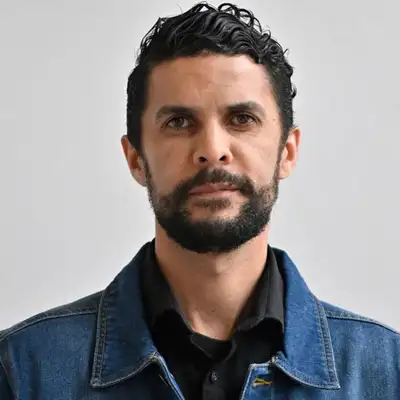
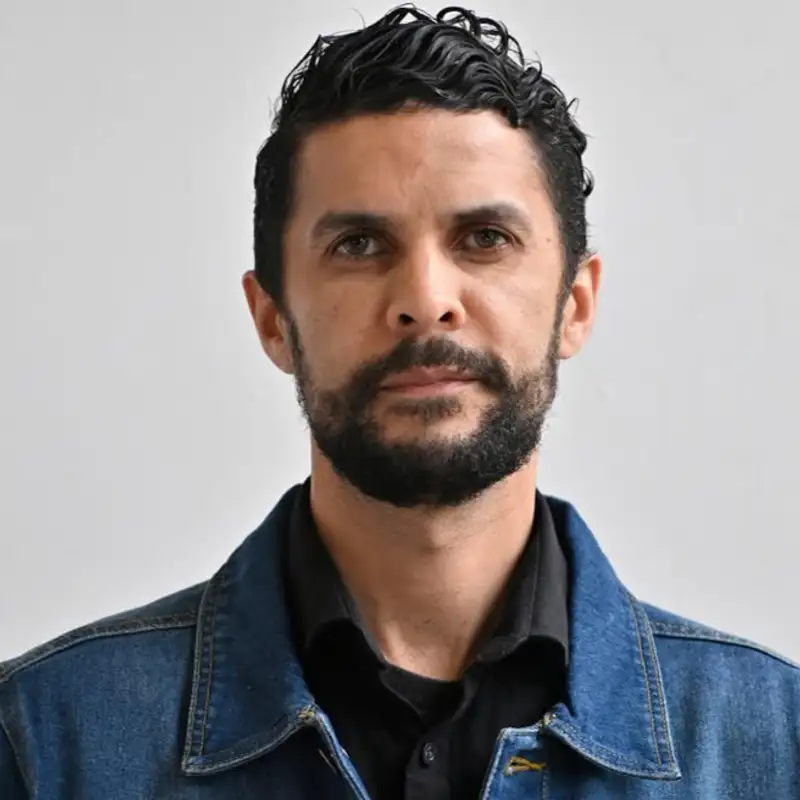
Download MP3Rob Lee: And welcome to the Truth in this art, your source conversations connecting arts, culture, and community. These are stories that matter, and I am your host, Rob Lee. Accept no substitutes. Today, I am thrilled to welcome my next guest on to the program, a Brazilian artist and arts educator based in the Washington DC metro area. And my guest is the founder of New Media Workshop whose practice uses AI, NFTs, VR and AR, as well as generative media to investigate environmental and community issues from urban development. So joining me today is Johab Silva. Welcome to the Truth in this Art.
Johab Silva: Yes, thanks, man. It's really, really nice finally, right? It's finally finally finally work out.
Rob Lee: For for a second, and this this may relate. I thought you were an AI person. I was like, is this a real person? over here?
Johab Silva: Man, how big, man. That's kind of... That's a really fair assumption. You know?
Rob Lee: And and that'll that'll definitely come up in conversation as we go through later. Um but I I want to start off with sort of my customary introductory question. I would love it for you to introduce yourself in your own words, and if you could share how you describe your creative practice, your art practice.
Johab Silva: Yeah, so yes, Joab Silva here, Brazilian artist, then been around Washington, DC region, right? Started in Arlington and Arlington and both rest and now in Sterling. Been in the area for uh this eighteen years, you know, eighteen years already, uh since when I moved to to the country, I uh moved to this region. Um three months in Oregon then. Yeah.
Northern Routine since then. Um I uh I mean everything education was here, i it was there was in in the region, I went to the cork road and all that kind of stuff. Uh went to Maine, Maine College of Art Design Uh to finish uh to do my MFA there. And uh I um I did all the traditional media in my undergrad. And so the the first beginning years was a lot, a lot of traditional media painting, sculpture, all that kind of stuff, and then uh I got to the point that I that I that I hit uh a wall a little bit and then I was asking myself a little bit what what's kind of missing, you know. I've I've done some video works and things like that, but um I was very curious about um new media and then um I decided to go into the feud of you know new technologies and learn a little bit more about got some more skills into what actually was um um was coming more, you know, becoming a little not trendy, but you know, more evident into the the feud of visual arts and then uh went to and and that's pretty much what I'm doing a lot working with uh new technologies, um still exploring for the last yes for the last ten years, has been literally for the last ten years, exploring the uh the impact of um urb uh uh urban development in in green regions. So you know, in green vine tops of in green vines, how cities are growing, how you know how um urban environments is uh new urban developments are uh displacing people.
it's affecting environment, quality of life, communities. I'm Very very curious about that very carefully. I've been building a lot of things around that. So that's kind of a little bit what described the other things I do, yeah.
Rob Lee: And we'll definitely be going a bit deeper into the specifics, but I want to go backwards a little bit. So I became aware of your work at Umbrella like Art Fair like late last year, and you know, it's one of those things where these glasses that I have on currently, I didn't have them yet. I was in need of new glasses. So I was like, I hope I got the name right. I hope I wrote it down or I hope I saw it right. And when you um followed up with me when I reached out, I was like, okay, I got the real person, so that's good. So you know, I discovered that amongst so many your work amongst so many different artists. So spending, you know, a lot of the time that you've been here in the in the in the US, how is being in around and involved to that sort of DC arts and DC like sort of cultural community, what does it mean to your practice, whether it be from a networking, a sort of just being around other artists, because it's a melting pot down.
There are so many different things in in a true sense, not in that fake it's a melting pot, and it's like all right, but there's literally so many different people down there of different walks of life. So talk about DC and its sort of impact on your journey thus far as an artist.
Johab Silva: Oh man, it's definitely like huge, huge. I mean, the impact is just really, really my I mean definitely my professional practice as as I would say is a really, really the professional practice as a whole. I mean it's pretty undeniable. That's like the backbone of it.
It's it's it's it's definitely what's shaped by DC because I um I would say about it started at a cork room when I went out to the cork room before George Wars University before they bought it, right? I was the last class. Definitely the legacy class. I was the only student who I I walked by myself. I got the last masters in arts and education degree. I walked by myself in the IO man.
Rob Lee: It's like I closed it down
Johab Silva: Yeah, you closed it down man I was like, I'm not negotiating that degree. I want that, I come here for it, I'm gonna fight for it. So the last person. Yeah.
And then uh it was pretty crazy. But my professors at Judah uh uh at the corporate man, and they they're still they're still practicing art, but they're remarkable folks, you know, they're very international, um, from everywhere, super interdisciplinary. Uh I mean artists is from I mean, I didn't know one of my professors was the and I mean David Page was the guy who who created uh Silence of the Lambs mask for Anthony Hopkins.
I was like, you know, the mask. I was like, man, I didn't know you created you know, have a professor from South Africa, and you know, you go you go to the news and look at him in picture with Anthony Hopkins, how this guy's teaching me. So it's pretty remarkable to have people like that, you know. I mean so then um, you know, and so on on top of that, so have that whole curve ground community, you know, with really nice cohorts of students from across the planet too, you know, from Japan from so many places. So that that that was you know, definitely a courtroom shape, but also the uh the artists and our galleries, man. I the network that I made in Art Galleries Plus is a support of um a of a really, really nice, um, really, really, really, really solid, good, knowledgeable uh uh gallery directors, owners man from DC, you know, definitely like a shout out to Victoria Reeves, you know, from Transformer.
Um and Jenny McKellen for you know, from she you know, both both of them definitely they opened so many doors for me, so many doors, and you know, have helped me to uh you know to network with different collectors and all other bigger events. So I mean DC it's it's pretty awesome, pretty awesome, pr pretty awesome for me. Like very, very like yeah, I mean I'm pretty much considered myself sort of like a DC artist, you know.
Even being never been from Brazil, you know, come here in my you know, when I was 26 years, it was other kind of stuff, but like professional practice is definitely all here as an artist. It's undeniable, you know.
Rob Lee: That makes sense. You know, it's sort of like m where there's that growth, that that maturation, um, and then where those networks and where you're making making that work, but like, you know, I'm based in Baltimore and uh I spend a fair amount of my time in you know, between Baltimore, DC, and Philadelphia, and I'm like, ah, I'm a mid-Atlantic guy, and I'm not quite there to cross that route, very much a Baltimore guy, and it's that. It's it's like where do I feel like my heart is at and where that growth has been at. And um in you know, I asked uh I answered this today as I move into this next question. I uh I I I was asked uh sort of what drew me to uh uh facilitating or helping to share these stories that are at the intersection of arts, culture, and community.
And I know that story, I know that reason, I know my my why, right? And for you, let's talk a bit about the drawer, if you will, to that intersection of arts and technology. And there's some you know, follow-up questions there, but let's go back into that that draw, that hook, because you could do something that's this is how I want to look at my art, this is how I want to approach my art, but sort of when you're intersecting between arts and technology, those things like left brain, right brain, and people don't always get it. So talk about that draw for yourself.
Johab Silva: Yeah, so for me, man, I um yeah, so you know, I I I got to the point, uh uh maybe let's see. it started happening around Um 2017, you know, 2017. My work was pretty focused on materials, you know. A lot of things that I was doing is like really um I had a really big show at Transformer, like very heavily focused on material.
After that show, I was digging even more uh published books. I did a lot of work. I was very curious about where the materials come from, you know, because I was working with a lot of teams regarding environmental issues. I was like, where are the materials coming from?
The woods that I'm buying, where does it come from? So I was digging in into that. And then um I was thinking about material, thinking about material, thinking about material. And then I came to the point I was like, man, I want to to think a little about the wording visible, you know, what was what's the invisible? How can how can I I hold it invisible? So I came up to this question, other than the practice of how can I how can how the untangible become tangible, you know?
And how can I so it becomes with that thing. And then um was how was thinking about how can I create larger works and those larger works fit in my pocket rather than it's any story. So all that kind of idea, you know. So on that note I was investigating reading reading a little bit. Now I'm I it starts sliding off materiality and thinking more about concept.
True. And I was what's idea about concept, the words concept. You know, what is this this what does this word mean to me? And then um and then I was thinking about video works, film, you know, works that's kind of you know it's um you know things that you can project, uh games, you know um just thinking a little bit about that.
And then um it was when I I was like okay I wanted to create things that actually cannot hold with my hands, but things that are large I can hold in my pocket, for example in a flash drive. So that's when becomes you know what I mean? So that's how it's it started going to that direction. And then um it was when I decided to do my MFA. And I was like okay, I haven't done any research into concepts into this and you know in this vein of technology that I wanted to do that, you know. So then when I went to do my MFA I say, okay I had I had a wood I would shop and I was like okay I'm done with this tools.
My o I was like my only tool right now for this next full two years is gonna be a mouse and a laptop. That's the you know so that it was like yeah it was just a radical decision I remember writing. I was like okay radical decisions, all the kind of stuff it was it was huge because you know over a decade working with focus in material now letting that go. And that's what man when I went to Maine College of Art and Design Uh they screwed in a heavy facility where uh with all this very powerful computers with all the amazed there but I found out a tiny room in a college with one single computer and they say okay here's gonna be my studio now.
Right. I took all the sheep out the place and that that exploded you know and then I eventually talk a little bit about my research and I did it really that was the explosion of NFTs. That was NFTs came and that you know having a little bit more space here I can talk a little bit more about but my research was the first research in the college about NFTs. So that's that was huge. It was a really big big outcome from the the two years there. So that's kinda that's kinda little bit how I endeavor into the technology.
Rob Lee: Yeah and definitely there's an NFT question that's later so I'm I'm sure you're you're you're gonna have some some things to say in that area. And so we got sort of that that entry point and that um that evolution from where it was at like you know hearing hearing like where where it starts it's sort of like I look at it almost like this. This is my period with material materials and now it's my period in the sort of like with technology and bring doing smaller and sort of more conceptual and I I think with folks that are artists, creative personalities, just folks that with that design thinking um it's it's on us I guess to really be able to articulate what we're doing. Like you know sharing earlier like you know hey you just do a podcast and that's just like well it's curation that's there, it's this, it's that there's production all of these sort of different elements and you know really articulating that and getting that across versus it just being that and it's just like well I'm curious about scale and size.
I want to be able to do work that I can fit in something that's as small as a flash drive but it has big meaning and lots of work goes into it. Yeah.
Johab Silva: Yes correct yeah no yeah for sure for sure I was able to actually uh the thing about that is like I was able to um it helps me to get things that I it would be a little bit more that it's not it's not like taking shortcuts to get what I actually wanted to get but maybe to help me to be a little bit more effective. I mean it's I mean as an artist I'm always trying to like how can I communicate what actually I want to communicate and how can I be very effective into that.
Right. So there are certain mediums man that you just can't right they just keep hitting your wall it's like I've been trying with this trying with this and it's like years doing it, doing it doing it like man, I still cannot I cannot say with the same intensity that I want to. So then you're trying to fight immediately they actually can deliver that voice, the same tonality uh you know, because I mean you know you you can shout, right? You can shout, maybe you'll be heard. But if you use a microphone you can shout, you'll be heard even more. So you need it to find a venue that will actually will propel what you actually want to to be propelled. You know what I mean?
Rob Lee: What is the right tool? What's the right medium for what it what your what your intent is and you know I and I you know and definitely I could see us talking about this a bit deeper as we go along but you know I've been having more and more conversations with folks about that ethical use of technologies and how they're being used. Yeah. Because I I think frankly with the folks and I'm just saying technology like overall there's different degrees of it like I know more and more conversations have been on like AI being compared to sampling in music or what have you and we know we listen to music. We know a good sample from a bad sample. We know you're over indexing on that song that I like because it was a hit.
It's like you're only sampling one hit wonders, what are you actually doing? Yeah. That's inethical it's just like you're using it as a shortcut. But if you're doing some artistry perhaps with it and some manipulation to really tell something then you're truly perhaps using it as a tool.
Johab Silva: I know yeah for sure I mean I think the the I mean artists um I mean you you I mean you you needed to have some level of engagement right like uh I I personally I you know I used so many different tools but I I need it I need to actually feel and even when I'm working with technology is actually feel you know if I'm a 3D modeling something here in a computer I need it to it's like okay it doesn't look right because there's a dilemma of engagement with I need to fill it. So and even without touching it, right? I mean I just have my hand on a mouse very different than actually holding a piece of wood. Yeah.
Right. I just have my hand in the mouth but when I look the MH visually you know it's like I need to fill it if I don't feel it's not right. So as an artist I I I'm very engaged in what I create and even if it's just digital or you know and there's m multiple layers right because I mean from from the little thing that I'm creating digitally maybe that's later it it we will it will have to pass through three or four other softwares before becoming a video projection. So that's it's a lot of engagement, you know.
Rob Lee: Yeah it's just like I'm not just setting it and forgetting it. It's just like no I'm involved in this and it it again it's it's like and I read this recently that you know the folks who perhaps and this is around like confidence and such and specifically I'm thinking about it in the the guise of creative confidence. Like folks get caught on I don't know if my work is good or not and so on. It's just like well what is your intent? Did you satisfy it? Did you did you accomplish what you set out to do then the question of good or whatever it's like the question is probably is it successful? Did you accomplish what you set out to do?
Johab Silva: Yes I agree I agree. I mean that's a goal you know you you you engage in it and you go after that's kind of the thing. You know so so yeah most of the things I do is like that I know exactly you know I want to get to this place and what it takes.
Do I need to use tech software so I need to develop my own software. I would just go after you know what I mean I would get it. You know what I'm saying has been like this you know like that's that's like independently of the time they would take it just got engagement. It's pretty much it's like um it's very similar to you know when I was doing it a lot of woodworking and things like that. You just you were working or actually you're you're a building in my case like I'm a building when I'm creating an animation I'm there. Sketch up first go factor the thing go to a 3D modeling software get to go to the video software go to whatever software you do get the projectors flute them in do the platform. You know go back to the softwares again. So it's just that's pretty much like building any sculpture you're building lots of layers.
Rob Lee: I mean the the the layers that literally the layers that you're describing that's just like what is your process like
Johab Silva: right now The process is a very complex process, you know it's not you know it's very complex process and uh yeah it go if it goes through multiple channels to actually get into you in you know into it i it works eventually yeah I got
Rob Lee: to so and uh if you were to let's say something that's at its most base level however that is defined for you like you know for me a base level is just recording like a five minute little interview a little question and answer what have you I know what it takes to do that for you to make at at your most basic you know like output or basic creation what would that process look like just for folks that are like I have no idea how you're doing what you do.
Johab Silva: I will do that, right? Yeah. I usually I mean it's something to pretty basic. It would be like um I mean very very quick notes. Okay, what do I want to do? Very quick notes a little piece of paper, just okay, I want to just do this thing.
Maybe even like a sentence everything for sense today. You know, to if I was to do something pretty pretty pre very relatively simple, I would just go and um go into the modeling software directly, you know, get a cube and start shaping the thing, you know, watch some animation on a some some textures and things like that. And then um you know how many frames the length I had to do though that that's the this modern software but that's kind of that works.
Okay, what's the length of the thing? And then uh you want if I usually animate it. Then I really have to go into a video software, right? Okay, video software what's the dimension do I want to do in the monitor? Do I want to do this as a video projection? Uh do I want to do this as a projection mapping.
So I the usually usually my practice are the three things where do you land how this rand where and then I say when a video monitor if an up and then monitor right then I have to just to render the the animation into the monitor size that uh the animation into monitor and just play it. So that's kinda it's a little bit how that how that's pretty much like the one you see in the background here. Yeah. That's right there. Yeah. So this little character. Yeah. Wow. You know what I mean? So that that's a little bit that's a little bit how that works like wow.
Rob Lee: Yeah, And I think it's because we we get to this thing where it's like in indefinitely as we go into this this next question in a moment um you know it it's interesting because we think something because it's just like well that's there. I created that that is almost easy. No, it takes time. Like you're describing like your process is something very like like simple because you know your process. You built your process you've refined it and polished it. So it's just like yeah you know I kind of do this and do a little bit I gotta do some rendering.
Yeah to make sure I'm I got this right. And you know if you're like transferring that it to me is like Rob, I need you to do this. I'm like yo, I'll get back to you in a month.
I'll get back to you in a month and a half or something like that. And I I think that's what it is or you know literally when you and I got on here we talked a little bit and we weren't right into questions because I know sort of my way of going about things I know how to get what I need um for that conversation and it comes from repetition and those hours that are that are put in using technology. Okay. So um you know now we kind of like gone over the process a little bit and we we we we've humbled me in you know how long it would take me to you know sort of maybe pivot into replacing you.
We're not replacing you we're not replacing it you're doing your thing. So talk to me a bit about one of the major things that that comes up in your background. Talk to me about you know founding new media workshop like how did that come about? What is it? How does it come up how did it come about? And how do you pair your experience as an artist with this like your diverse like educational expertise. So talk to me about that.
Johab Silva: Yeah yeah so I um started I started new media workshop um during um during my time teaching um within in for with within the uh um immersive media department uh university of Maryland so I was teaching during the department during that two years teaching and um half of my students they were art students and the other half was computer science students. So a lot of I started creating um I started with the YouTube channel creating video tutorials to support the students. And then um you know I'm a big fan of education you know I've been teaching for a long time you know higher education and public schools in Fair Fex Comedy um community community centers. I mean being ringed education I'll also teach but what I wanted to do was to actually serve the artist community you know or any type of pretty much folks that are more like humanities brand you know folks are because I wanted to dismystify the you know it new technology can be very intimidating for people you know if you say any b you know for the humanity folks if you come to them and say hey you know let's create an application for an iPhone ooh that that that's over that's that that does my brain's
Rob Lee: already I'll see you in six months. You know, You know when you you're talking anything that deals with you know let's let hey let's learn about an NFT contract. That's like yeah yeah it's very so anything that deals with new technology, you know, creative coding,
Johab Silva: it's it's it's very it becomes very difficult, you know, for for people. So um a lot of those things I learned pretty much learned by myself because when I went to do my MFA, you know, here is independent study, man. You are on your own with that computer and a bunch of software, it's like, okay, suck it up into you and learn with that thing.
So I learned all those things of software by myself. So I um didn't have any professor, man, for for the so what I want to the reason why I want to create the new media workshop was to create some to uh some material that's with the brain of humanities, you know what I mean, to like um you know, to use the language that is not overly scientific or to the language is over scientific to um to low the pace, to not have the expectations, you know. Because I mean when you are in a science, the language is different, the expectations is different. That I mean it's i I mean we're in a science, right? So you need you need to be super mathematical brain.
So forget the humanity people, man. We we do not know what's one plus one, dude. We don't.
You know we absolutely don't so and that, you know. So it's like, okay, how can I serve my own community of visual arts and humanities people. So that's the reason why I created that is actually support. And obviously as I support I learned too, because I'm creating the material, I'm digging in and finding a lot of you know, things that's complex to fix problems, you know. how can I solve those problems and How can I serve others?
Who wants to learn about uh don't know how, you know. So that's kind of the the really the heartbeat of of of this the the of this project, you know, the and um and uh turn into an LLC, you know, it's another m means for me to try to um to you know to gain some to actually provide for my my own practice projects and things like that. That makes sense.
Rob Lee: That's kind of that makes sense. Um the and I think you're identified sort of the challenge that sits there, like, you know, being able to Rosetta Stone, being able to format sort of something that you've d taken in your diverse education experiences, you know, you said you were just with the computer or no, no no support. Like, uh I'm gonna figure this out. And being able to to pass that along, I think that speaks to the uh there's been these conversations around the death of the expertise and you're leveraging sort of your expertise in the field and sort of reformatting it in a way that folks with that humanitarian humanitarian brain uh humanities brain as you described it, um, can understand and be able to flourish with that that sort of understanding and that that coaching without getting, you know, like without getting like fatigued without getting intimidated by you're gonna build an app today. Oh my gosh, how you know it's it makes it um something that's approachable.
Johab Silva: No, yeah, for sure. And and and I say this because um, you know, for I mean, I I know because I was part of it, right? It's like for as painters for us who are really into traditional media man, when you go to an exhibition that is all new technology, you know, VR, AR, all those new technical you it's like i it's uh for me personally it's just feel very like man, you just don't know nothing. You know what I mean? So it's like you know that final like dude, I'm like so old, you know.
So it's like it just so that's the the the the thing why why I wanted to bring that to the table and say, hey, you know, you um with two letters that you keep clicking your keyboard, man, you can create so it's something huge. You know what I mean? So it's like it's like do to do together.
You know, that's why we don't do it together. So it's like it's really walking like really side by side, having the patience, have the kindness, you know what I mean, being very, very supportive. So I used to do that a lot with my students from from Maryland University. The folks from the uh interesting because the the students from the science department, all of them got jobs at Google, Apple, you know the the the humanities fool, the artists, man, so restaurants, bakery, you know what I mean.
So I supported a lot of them. I say, hey, do this, you know, go to this direction, use this software here, do this thing. So they it was really amazing how to see, you know, got them excited about it, um and and and flourish. So that's kind of the thing that I have a lot of pleasure. So that's the the media workshop, you know.
Rob Lee: Yeah. That's that's good. And and you know, I can hear that passion. I I like the education piece as well. Um, you know, uh earlier this summer I completed my my third year of teaching a a podcast class and just seeing when it clicks when it's like, oh yeah, that's how you do that. And I think it I know it keeps me fresh in that I because I'm teaching it's like, all right, I can't just coast on this is routine muscle memory. Like I gotta remember how I do some of these things to to show them and show them off. But also as as you you know, what I'm what I'm gauging from from you of being able to put this in terms that you know is easier for someone to digest and then really take their own spin and take it to that next level. So serving as sort of a conduit in many ways.
Johab Silva: Yeah, yeah, for sure, for sure, for sure.
Rob Lee: So looking ahead, I was I was just talking to a friend who um, you know, uh was we we were talking about going out for for a meeting and doing a meeting in the park and spending more time like and utilizing our green spaces, especially now. Like, you know, it's the we're recording this at the uh the back end of the summer, you know, no one goes to a park to do a meeting in the winter, so you know, we're kinda like running out of this this time and these these green spaces and green environments are important but sort of underappreciated, I think. You know, I try to just spend more time in parks than I can.
I go to a park in Baltimore every morning. Um and with the rapid growth of AI and the resources needed to quote unquote keep up. We're getting data centers and we're getting all types of other things like surveillance and such.
But I see signs of like various green spaces, um, especially near where I'm at. Um when I think of the big college campuses and think of Johns Hopkins, no data centers. We don't want it, it's a rebuke to it. So for those who are unfamiliar, I want to get your your perspective. Tell us how data center expansion is reshaping sort of these natural environments and these these local communities because everyone likes making AI videos and weird little goofy things, and I don't think they know what's actually happening outside of enjoying the online piece.
Johab Silva: Oh man, this is a this is hard to talk, right I know. This is very much, man, they got to the point, it just um yeah, I mean I mean it's it's it's it's uh well is inevitable, right? It's like larger companies, you know, Amazon, um, you know, all those larger companies, open AI, so it just it's, um they're they are investing very heavily, it's just not on a millions and a very and a big amount of billions, right? Closer to trillions that right. So it's very rapidly and lots of uh um right regulation. I mean that's the it it it things are very complicated. It is just not just in the United States but worldwide, right?
It's very complicated. I mean I read the retro books this summer on a um it's um I live in Loudham County, right man. So I'm here in Sterling. Uh Loudon County, uh last time that I saw was the um uh third the thirdest place, third in a planet that have the most data centers. That's like w one third. Yeah, so it's like the they we you if you you bomb Louden, the entire planet shuts down the entire internet goes off. So it's like you know, last time that I saw there was more than over there was over 200 data centers and the dare building.
Whatever you were driving, you see at least ten being built at the same time. Yeah. So uh on that notes, I mean yeah, obviously there's green environments, man. It's like you come west, it's green, right? You can't channel to a valley here, it's green, you know.
I went to the Amazon reforest, it's massive, it's like an ocean of of trees, you know. But the the the the the concern about this is that um at least my concern right now. So for example, I mean there's in my case, there is a city.
I live in a city around those data centers. So um I'm always waiting for when is the next water view will be. Right. When uh electricity view will be, well, how high that will be, you know, or when the power will just go off. You know, it's like because there's so much electricity to to keep up with those. Um and uh so right now is like water is so important for us humanity now. It's like the world the world's dry, right? We can see rivers across the planet so many places here in the United States. Uh the draw, these are affecting so many cities.
So I mean, and then we just like, you know, so to understand it, I understand that the development of internet, the development of internet, it is. It's AI, this it usually should not go away. That's it. It's already in a fabric of this six step. Right, or evasion solidity. This type of intelligence that we see is in a fiber of the system.
Every single business adopted. Yeah, you know, so it's like it is what it is. Um and um the system needs to get better.
I mean if you if you if you want to really consider not damaging the environment that much, this system is to get better. And it was the same thing on that notes of the NFTs, right? Uh, you know, particularly one NFT, how much electricity consumes, and they're kind of that's the m the the biggest problem, right? It's like NFT, one M FT consumes over, you know, if we have a credit card close to a hundred credit cards swiping the electricity, there's a lot of electricity by one by creating one circle, one amateur one circle and it's the
Rob Lee: And that's one of the things like you know, i i uh you you put it in context, right? Where I I think folks can't see it, and I and I'll you know, admit that I was like, Ha data center is gonna be impacted by water, and it's just like, well, we have to cool these data centers down or these these different things and what's required to as you describe, to make this one circle, it's this much electricity. And I think if someone does something, and and this is funny, it goes back to one of the things you touched on earlier with um, you know, someone with the sort of um humanities brain and maybe speaking in sort of these these math or these science terms. It's a simple equation. To make this one little goofy NFT, it's equals this, and have that sort of list of water bill increase, electric increase. I hear there's even talk around like the quality of the land around these places, um noise pollution, all of these different impacts that folks won't see because they're too busy online watching their favorite celebrity do an ad that's AI voice.
Johab Silva: Oh, yeah, I know, yeah, for sure, for sure. You know, so these are some of the concerns because I mean it's water po uh portable water, right, that they used to cool down. So it's like the water or drink, they're using to go down machines. On that note too, that uh that you mentioned is also those large land, you know, that means you they those guys they have the money, they buy the land to just throw a lot of concrete wall just a box right there. So you know so sometimes I ask my questions, okay, okay, if it these died, what will happen to those those 200, 300, 500 boxes in this city? Can you try um transforming in sh in shopping malls in housing in, you know, can't what will you do with those things? Right.
You know what I mean? If those computer houses die, You know, and and that's the thing, right? I I I I kind of I haven't read too much, but I'm reading uh a little bit about uh data centers on a space outside of the the atmosphere. Uh maybe there is a some potential into that, but it's like always people uh we always have concerns.
Okay, what about uh, you know, it's space trash that we are putting up with the tones of the satellite, you know. So I mean, it's complex, right? But uh but it comes to the gritty, it comes to what we humans, we want to develop those things. We think that we're gonna create those things to make our own lives better, but I don't know if it's actually making sure.
Rob Lee: It feels like in uh it feels like a lot of times and I see it. I I was recently in um Atlanta for um for some for some art related stuff, checking out some museums and what have you, and you know it's not an AI, but it's the conversation around technology. So I I went to a CVS. I got I like to get my protein ch uh powder, I was getting some protein drinks, and I wanted some chewing gum.
I'm I'm a compulsive dumb chewer. So I go there to get my stuff, and I could see that it was only one person on staff that was working. Multiple people there with their stuff, but only one person on staff, and then I go to, you know, technology, the sort of self-guided checkout. And it's coded in a way to prevent theft that is very sensitive to where you leave your stuff. So if you leave it on the wrong side, it'll just freeze and someone has to go over there and swipe you in or what have you to unlock it.
It's a threat prevention thing. And I was like, okay, I put it on the wrong side this time. I didn't feel like waiting, I was like, I'm gonna put my stuff back.
I went to another one that another CDS the next day, mindful of where I was placing my items, I place it on the other side. But notice the same thing, only one staff person on, you know, on uh uh on working that day. And I was like, this is what it is. We're using technology that's not properly programmed at times to make things convenient for us, but really the you and the me of it that are trying to get our protein sh uh uh uh powder or what have you are just having a bad experience. And then when ultimately not getting what we want, but we're told it's gonna be so convenient. And w the other thing that floats out there is the inevitability of it. And this is what I'm gonna bring it back to sort of the art of it, You know, over the last six, seven years, what have you, specifically the folks that are in these big data spots, they're they're looking at you know the AI, the NFTs, these these different things, generative media to reshape art.
For some reason that's of interest for them. Let's reshape this, let's change this. And I think you could use AI as a tool for ideation. I don't know if it's a tool to create quote unquote art. It's something missing.
There's that feeling you were describing earlier that can be missing from it. So, you know, working with NFTs and generative AI. What is your take on sort of the that side of folks that are like art, I'm not really with this, and the folks that are like somewhat embracing it, and the folks that are like, hell yeah, all steam ahead, literally.
Johab Silva: No way, I totally totally think uh I kind of understand. I think that there's um at least from my end, I think that there's it's some sort of a sympathy with all the sites, right? I mean, you got to be I just can't all go down line and and screw somebody because I disagree with the person, or I think that that is uh on my end, I think um and that's what I I choose to be, and I want to be very mature when uh when for my own sake for my own sense and to serve, right?
That's my create art, I'll suppose to serve, it's educate. So um what I would say is the the way that I approach you know artificial is this, I use it, you know. It's undeniable.
I cannot just say you do not use it because it's so unnatural, dude. So then the Nike shoes that you have, that's what's created in China. Right.
It's late works. Gaway add it to everything that you have, IT and whatever, whatever it's from China, Bangladesh. You can't do that, right? So it's like you you got I use it. I use it. Uh and I use it very different very different ways. So for me, it's um I mean, I'm in English you just learn it, man.
been 18 years. I got to work on that text a little bit to polish, but it's like I need to have my voice, man. And that's absolutely non negotiable, you know, fix one thing or yeah. If I read the word that I do not understand, I do not want that in my text. Man, I don't understand. I didn't say this thing, you know.
Yeah. So there are some things that I do it. Uh amage wise, amage wise for me, it's more like um I create drawings in paper, for example, I create drawings in paper, first basically stuff is drawing. Sometimes I get that drawing and say, hey, uh I I want this specific caller and get the number of the caller and say, Yeah, I want this vector. Yeah.
You know, with this caller's at this location. And so that there's something that it saves me a little bit of time, but it's not for uh it's not just like um I've seen some folks doing that, right? You're clicking a button, you create am and your frame and say that's art. That for me that does not work that way. Not for me. I've seen some folks doing that, but it's like not me. It's straight out from the prompt.
That does not work for me. So for me, it's worked literally more like a tool, a tool that's almost a hammer, you got to hammer that thing. I have some hammer out there. We work so many things on it. Uh it it it's it's almost like uh the beg the very beginning sketches of something larger, you know, that would so that so that's for me the way that works. It doesn't work like straight to the frame.
Rob Lee: No, uh yeah, I I I think I think we're on the same page with it. Um and I like that you touched on it has to be your voice, right? Um and you know, I've been in that spot and using it because it's part of my day job. I I use it regularly, so just to be like, I'm a complete Luddite, I don't use this at all.
It's like no, you're you're just not doing your job. But um I think being aware of it to one, you know, I'm very uh I'm very aware of the media I consume, you know. You know, there was I remember I was sourcing the information on a guest, and the guest had a very similar background, but it was one major thing that was different. This is a guess on interviewing in person, and he had the same name, similar background, but it was one thing that was major. One was a writer turned chef, and the other one was just like a chef the whole time. And it kind of c kind of combined their backgrounds.
Now, here's the thing. I you know, gr drafted my questions based off the bio I had and based off some of that input. And I remember talking with the the guests when we were doing this interview in person, and I asked, I was like, Yeah, so writing, right?
He's like, I've never written a day in my life. And I was like, I gotta scrap all of my questions. Because I I had that background and I knew, and I was like, your learning is like never really trusted. And you get that little disclaimer at the bottom and chat GPT or what have you of it can make mistakes.
And I'm like, nah. And I find myself spending time playing with it. One of the things I enjoy doing is opening up ESPN, right? And then going through and like looking at the stats of certain players.
I'm like, yeah, what is this person's career high? And it will fight me on it and it's absolutely wrong. And I will cite where I've, you know, researched.
And my the point of it all is how you're using it. And there's a book that I've been rereading, um, by Corey Doctorow. He did that uh book called Inchidification, and it's just about platform decay. And this one is the reverse centaur's guide to life after AI and how to think about artificial intelligence before it's too late. And he he pushes this idea of a reverse centaur.
It's like, you know, human head and arms and all of that stuff, but machine body. And this notion of a reverse centaur, he applies it to AI. You're letting the AI do all of the thinking, and then we as the humans do sort of the legwork, and that's the opposite of how this is supposed to work, if we're gonna have it work at all. It's like, you know, I come up with the idea, you come up with the idea, and maybe it facilitates, but we're not correcting its work. And it's something that I think these companies want us to let AI just do the job and we you know.
Johab Silva: Yeah, I mean, um I think the the uh the the model now, right? The the software right now. Uh I mean when I say software I say the software is all these companies. I think it's too re well to uh it it's just an overly problematic still. It's very overly problematic. It's it's too many problems because like it's um it's what's the develop development of the wheel, you know. You the guy broke the wheel, build the wheel out of a piece of rock there. It's like you just can't use that on everything.
You got you gotta it's gonna take time to develop better, right? To get more soft to fit better, you know, there's different types of wheel for different types of purposes. So it's like it's relatively new, it's the same thing as an FT, man. And when was the last time the NFTs come to to the news?
It's gone. You know, I I wrote the I wrote my entire research MFA, dude, fifty pages on FTs, the impact of NFTs on digital art and the future of digital art. One of the companies that I quoted, I used to say, and I remember saying the last line of the research was like, do not do not consume digital die, dude. It was this past year. Yeah, that company died. It was just like a prophecy for my book. So that's kind of the thing. So like the the software is new and we don't know in the next next ten years what's gonna happen to this thing, you know.
Rob Lee: We're we're we're sitting on there and I and I got one more real question before I go into these rapid fire ones, but we we sit on it I I'll put it this way, I I'm a business major. That's what my background was in. I don't like when business starts to intersect with the arts, whether it be I can't enjoy the movies that I want because reasons there's someone didn't sign a contract with this person, or we don't have the rights. And I was just like people should get paid and those sorts of things, but when there's too much of an involvement of the business in it, we don't care about you. I just want to see Spider Man or I you know, I just I just want this cool thing to be there.
I don't want your fingers involved. And I think that that's sort of the direction we've gone into with the folks that uh have the magic key, and I think m and what I've observed is they're doing their their best to try to keep what they're doing relevant and keep what they're doing out there, and it ultimately it impacts us and can harm us, whether it be the creative class or people in mass, as it relates to you know what you were describing earlier with the data centers. It's just like I like my bills kind of being where they're at, and I like the air being quality and I like being to have some water, you know.
Johab Silva: Yeah, for sure, for sure. It's uh yeah, it's it's it it's sometimes a little bit too much, man. I'm in a fear of this fear of this technology, completely bombarded, the new software, near software, is a new two. It's now with you know, artificial intelligence for sure, a lot of new software are coming up because it too is building YouTube, you know, and people are profiting a lot of that. So it's uh it's obviously more and more oversaturated in the internet, saturated saturated, et cetera. And then was reading it in and then use um the one of the founders of the internet, it's a miserable guy's like very concerned, like the internet should go back to all the internet used to be.
Rob Lee: It's it's like it's it's actively worse, right? Like you know, back in the day, Google was good because it was the best place to search. Now it's just here's all of these sort of poorly written AI summaries. And it's like, uh just gonna do minus AI. I just w the way that I do my searches be uh nowadays because I went to the school of doing Boolean and all of that. Give me this time frame.
I don't want your summary, give me a PDF, give me something that's a journal if it's for research, And it just takes me back to how I learned how to do this as a you know an undergrad. Yeah.
Johab Silva: Yeah, I mean as a researcher, right? You know, as a researcher. Yeah, it's like I was talking about Google, yeah. It just Google is so big, right? There's so many throws, it's so foreign now because there is a millions of types of things inside of Google that you just I'm gonna just Google it.
Rob Lee: Rather than going to those so many places. Yeah, it's pretty oversaturated. It's a lot of saturation. So so in that, let's think let's give a little because I mean I feel like we're in a sci-fi novel and it makes me it makes me scared if I'm being honest. There's always uncertainty in creative work. You know, I don't know if this is going to be a hit.
I don't know whether this podcast is going to be good or great or terrible. And, But there's an acceptable balance, uh, which I think it's been skewed, and it feels like it's it's targeted artists, cultural leaders, and independent media. You know, we're both in those classes, you know, you're and both with the education background.
Like we have that critical thinking to know better, but it's just like people gotta eat. So how with those what's this in mind? Sort of this skewing of what's good, what's bad, what'll get attention and what'll perhaps get someone like funds or get that opportunity to do a show or have their work seen. How can somebody maintain a sustainable creative practice in these times of this sort of version of economic uncertainty?
Johab Silva: Oh that's that's that's really really really good. Yeah, thanks for bringing that up. Um sometimes I try you know, I would always talking to one of my former students, and uh I was telling him I was encouraging him to trust in what he do. You know, I I remember telling him I was like trust. So believe in what you do, you know, because in the end of the day you just don't want anything to anybody, you know. You just don't want you know, so really really trusting what you do, uh really engage with the thing, believe in your voice. So um and in times of uncertainty, man, um you know, that we are telling me myself included, you know, I got hits I you know if you if you put if you put if you if we put in uh if we make a list of how many no's you gain one year versus yeses, you know, the nodes you will up pace by far, right?
Right. Far That was uh I I think I last year um I su I you know uh a lot of a lot of people reach out to me for larger, larger projects in the last minute didn't you work this project. I was talking to my wife about that. Um I uh last the only uh last m less March I applied for a full bright scholar program, and then uh that was the last thing that I was waiting for. I was like, yeah, if I lost the full bright, that's pretty okay. Well, I got accepted.
That was the only thing which was really great. You know, but um but it's like in the end of the day, I uh you know I that was the free in my eighteen year eighteen years a year, the first time that I used this word resilience. I didn't talk to my wife about that was this past week. I was like, maybe you got to be resilient, you know, with yourself. Um and yeah, again, you got to trust in the things that you do. Um and that there's no much what you it's I mean, I mean that that's uh I would say that's kind of what what what I would go, you know, trusting what you do, engage, keep creating. Um there is it's it's pretty easy to fall on a trap of seeing other people doing things and say I want to be like this person, I want to be successful at this person, especially remember like ten years ago we didn't have this thing about being viral.
I mean I have this about hashtags a lot. No, it was a lot left. Yeah, you know, ten years ago, you know, the laugh. But now it's like viral.
All those kind of things, you know, people becoming millionaires like in the next day, you know, like in a night becoming millionaires because millions of you tick tock was non-existent thing ten years ago. So um so it's pretty easy for the new folks to come and fly into this trap, you know, and and be in a corner sad because they can't get their foot on it. And again, right, it's like if you're starting out, trust in the thing that you do, you know, hold tight to that because that's your voice, that's your background, that's your culture, that's your language, that's your personal experience, and nobody can take that from you, man. So it's like hold tight to it and and break down and keep it you know, building the thing, you know. So that's that's that's my thing.
Rob Lee: That's that's good. That's it's hopeful. And I I think resilience and to a degree I even though another R word and air resistance, you know, just Yeah.
Johab Silva: it's it's framed as it's inevitable, it's gonna happen. It's just like, well, you're gonna have to fight me for this to happen in that way because you know, I I was talking to some folks earlier, I was like podcast numbers are down, downloads are down, and you know, sometimes we live and breathe by those vanity metrics, but they are vanity metrics and when I talk to people and it's like, oh if this is gonna be a good one or or you know downloads and so on. It's just like did me and the subject have a good conversation.
That's all that really matters to me, the sort of merit from there, not the downloads. I could put out something that's sensationalized and something that's whack and it goes viral I guess and you know being on the internet as long I'm like I'm 41. You're you're you're in your sort of same I'm 44 man.
Johab Silva: I'm four well good good on you. I mean look you know look we don't look our age. But it's sort of the point is being on online and being on the internet and you know as you touched on you know TikTok and some of these things didn't exist viral felt virality then now it just seems like a thing that people just say and we know the people who are responsible for all of these outlets can turn it on one way or the other and that's virality now under the guise of independence. I see it in podcasting I see it in sort of the kingmakers and all of that stuff. So to your point and this is what we're close on before going to the rapid fire is just believing what you're doing and just kind of continue doing what you're doing. Keep your voice.
Johab Silva: Yeah yeah yeah no yeah for sure you you know you got to be yourself uh I mean I mean that's kind of pretty much you got to be yourself and hold tight to it and really believe you know can't be w walking try to walk in the shoes of others you know you I mean you can get inspired we all get inspired by other people right but it's like you can't try to be other people. Right.
Rob Lee: So I got two rapid fire questions for you and then I got the page advice and then we'll close out for this this evening. Um so the way the rapid fire works you don't want to overthink these the first thing that comes to mind that's the answer. So here's the first one what is your favorite green outside sort of environment being out there touching grass that's in that DC metro area. Is there a specific park? I know people will throw out what is it uh Rock Creek Park or what have you do you have a favorite space that you go to that's outside in in that DC metro area
Johab Silva: I mean I really like Shadow Valley I think that's a really like there we um camps a lot of their drive a lot of sometimes I say hey let's just drive down there see it and stop and see the overlooks.
I love it. It's always nice to go west because I don't like to see a lot of cars. I don't like to see the city. I grew up in São Paulo Brazil man so I you know it's like New York City right there's like sometimes really nice to see to go out um just to turn this week off not taking the phones just drive Love it love it there. That's a green place that I
Rob Lee: love so you you mentioned uh Brazil so I gotta ask you um look I I'm a guy that enjoys his foods so I'm I'm gonna need a suggestion Brazilian food that I gotta try. Like I I eat everything. I mean I I eat the whole thing. I had the um one of the things I liked a lot was that that that um it's like this fried ball looks like a
Johab Silva: teardrop that's that's that's that's it That's it! you got the good one man!
Rob Lee: that's fire.
Johab Silva: That that's man that's it that's it for when I go to Brazil that's on a day one that's a place near my mom's house.
Rob Lee: Nice nice see look I I I'm on point. I'm on point. We we had a spot here um in Baltimore and at one point I feel like I'd interviewed every Brazilian artist that was here and it was like oh you know about this? I was like yeah I can't pronounce it right but uh we here That's cool that's cool.
Johab Silva: That's really cool. There'll be good things, man.
Rob Lee: You had the good things absolutely well that that that answers the second rapid fire then it's we're saying same mind like mine here. That's cool. Then um in these final moments we're gonna go back into sort of the sage advice and you know we were we sort of same territory where we were kind of closing out on sort of this economic uncertainty the data centers fears that artists, graphic designers, even podcasters at this point are kind of engaged in sort of this push for AI is is coming and we're gonna chump it down your throat. For for the folks that are listening what would you say is the biggest opportunity you know specifically for like artists in like the next six months that really we you know should consider like 'cause I I because I think you as you were touching on just having that empathy and sort of kind of understanding how you know folks can be impacted, but something that is just like maybe use it, maybe not, but maybe think about it from this perspective.
Johab Silva: Okay, so the biggest opportunity that anybody who are listening right now is if you are working alone and you're desperate to come talk to us, man. That's it. You know, loneliness. That's
it. This is creating a crazy loneliness, man. Crazy, crazy loneliness. You
know, if people are just talking to the machines, like if there's their friends. That's it. Forget this. Turn
this thing off. Get it to the phone, call somebody, go out for a coffee, man. Just go go for a drink, go for a walk together. Uh disconnect. Just
go get the phone, turn the thing off, put it aside, dude. Um, and just go and and and meet people. You know, you want to talk about those things, go for a walk and talk about those things, dude. You
know what I mean? Forget disconnect, man. Stay away from technology. So I mean, I work with technology, that's my fuck. That's everything that I do to like, dude. I'm
out. When I when I'm in a pool with my family, when I'm when I'm doing other things, I'm with them. So it's like just connect and go hang out with people, get a real person, hug them, say goodbye, just go and talk to people. So that's that's my advice for everybody who's listening.
Rob Lee: Human connection. I love it. And that's a good spot for us to kind of close out for today. So there's there's two things I want to do as we close out. One, I want to thank you so much for coming on. This has truly been a lot of fun. It's
been a treat. And um, secondly, I want to invite and encourage you to share where folks can follow you, can check out new media workshop, all of that good stuff. The floor is yours.
Johab Silva: Yes, Rob, thank you so much, man. I really appreciate it. This was just great. Yeah, it was really nice to meet you. Yeah, guys, reach out to me, reach out to Rob. This is wonderful. You know, I mean, we're here, we're artists, we're locals. Uh engage, please engage. And that's uh my last word.
Rob Lee: And there you have it, folks. I want to again thank Joab Silver for coming on to the truth and this art and sharing a bit of his story with us. And for Joab, I am Rob Lee saying that there's art, culture, and community in and around your neck of the woods, you just have to look for it.
Creators and Guests