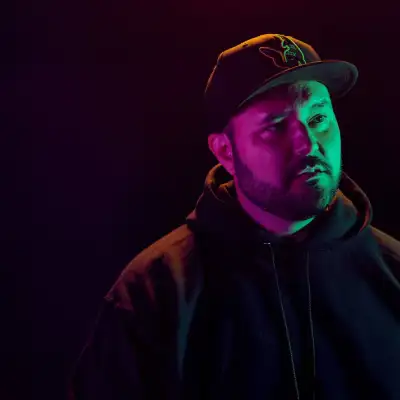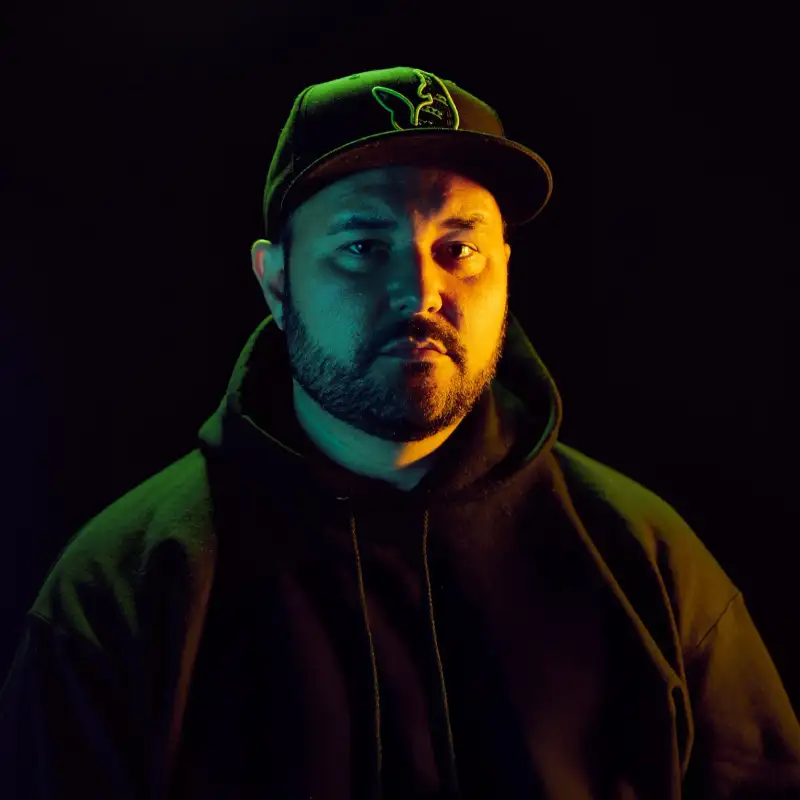
Rob Lee: Welcome to the Truth in its Art, your source of conversations connecting art, culture, and community. These are stories that matter, and I am your host, Rob Lee. Accept no substitutes. Today, I'm thrilled to welcome on to the program. An instrumental hip hop producer slash beat maker based in Portland, Oregon. He weaves a nostalgic and down tempo blend of musical influences from his cultural roots, extensive travels, and artistic experiences. In addition to music production, he also runs a Beat Happening in All Ages free, monthly inclusive, BIPOC and LGBTQIA2S-centered music producer and DJ showcase. So joining me today is Love Jones. Welcome to the Truth in His Art. Yeah, thank you so much for having me.
Thank you for coming on. And um, you know, as is the custom, 'cause I'm trying not to like like fanboy out a little bit, right? 'Cause it's one of those things where I have like I listen to my regular music, whether it's in the gym, whether it's sort of go on my walk, and I'm forgetting exactly how I discovered like one of your like instrumentals on in on on Instagram, and now it's like in my playlist. And I'm just listening to it regularly. It's like, all right, I'm I'm interviewing this dude soon. How's that
gonna work out? No, I love hearing that. Um, yeah, that's so many people. There's it's funny when people are like, Oh, do you have any music out? And I have I'm like, Yeah, I got uh too much.
LuvJonez: Like I have like it's a lot. I've been putting things out for a long time, but
Rob Lee: it's kind of that thing when um so I and before I go into the first question, because it's in that same sort of fashion where you know, folks ask me, like, so what do you do? You podcast? I was
like, Yes, been podcasting like seventeen years. Like I got a lot of stuff out there. I'm kinda like when you know like people are nervous, the artist type to like nervous about AI replacing them. There's so much of me talking over two decades. It's just AI Rob coming soon. I just
I can just see it happening. Yeah, no, that's uh it's funny with all the stuff that I have out. Yeah, I don't know if you saw that like the Atlantic was doing that big expose on AI um like the sources, the source material that they've been scraping, all the data, books, movies, written content, music, all this stuff. Um for as much stuff as I have out when I put in my name to search to see if I was used in that data, there was only three songs in there. And they were just the things that was released through the labels or different labels, and I was like, I'm actually that it made me more comfortable about it. I was
just like, well, at least I'm still underground according to AI. Right. I I haven't gone completely, I haven't like completely like crossed over in the in the AI. Yeah. So, you know, in this first question, uh, I like to lay that groundwork.
LuvJonez: Um a lot of a lot of artists I talked to, you know, came to that craft and in in different ways. Different like sort of sideways, if you will. You know, there were athletes who became musicians, painters that became producers. So what were you into growing up? Were you always headed towards beats and instrumentals? Was there another path? Did you want to be the next great salsa singer? Like what were we talking about here?
Rob Lee: Definitely not salsa singer, but uh I mean I grew up um I'm originally from Kentucky, so like we I didn't have much for culture out there. Um, but I was ra my you know, played baseball. I I was always into visual arts and art making, graffiti, all this stuff. Um music was part of it, but I never really thought about making music. I just consumed music all the time. Um But yeah, it was mostly art focused, visual art, fine arts that I was just always drawing from an early age.
LuvJonez: Makes sense. I guess I think that's one of the the earliest things. Like I'm I'm doing this now. Um I suppose, you know, having a little handy tape recorder was a thing back in the day. But it was always illustration for me. You know, I was always drawing.
Rob Lee: Yeah, I definitely did the tape recorder thing too. Like I just I had a like a little boom box with uh, you know, you could play or record, and I would just record nonsense, walking around talking, making dumb quotes, you know. There's like audio components to mo early life, but it was mostly just art and baseball.
LuvJonez: I get to see it now. It's just like, You know, ten year old philosophy. Yes. So note to sell.
Rob Lee: Yeah, no, that's that's funny. It's actually like most of my memories pre ten years old are like foggy and kind of one offs, but like once I remember like fully like all my memories starting around age ten were like driven exclusively by like art baseball and and music.
LuvJonez: What position did you play in baseball?
Rob Lee: Uh started in third base and then just outfield after that, different some center, some wherever they needed me. Okay.
LuvJonez: Yeah, yeah, yeah. I'm I'm a big baseball fan. That's why I have I have to ask. Like I uh, you know, here in in Baltimore I worked um in the event staff for the Baltimore Our Girls for like three years. So it's just Yeah, it's one of those things always losing, always losing. So when I see someone have a Yankee hat on or something, I look at a real side oh, is that a Boston hat?
Rob Lee: Look, let's let's let's No, this is no, this is actually like a Brooklyn, like the black Yankees, I think. Nice. Negro leagues. Nice.
LuvJonez: I I had to take a look. I was like, what do we got?
Rob Lee: What do we got? 'Cause you No, it does look like somebody I was wearing a black Brooklyn Dodgers hat the other day and somebody's like Boston. I'm like, I mean, you won't like dancer either. I was like, Brooklyn Dodgers are a non-existent team, but it's definitely not Boston.
LuvJonez: That's great. Screw it. Uh so baseball is a part, uh being into the art, specifically visual, and you know, so when does music come along that it is not it it it's taken a bigger chunk of your interest and of your time. Um and in that, you know, I'll have some like follow-up questions, but when did music come along for you?
Rob Lee: Um I think probably like early teenage years. I remember it always felt like something I just never knew how to make it, but I I liked it, especially hip hop, like my cousins, um my cousin Richie out in New York, he did graffiti, and so he would when we went to visit when I was around nine or ten, I remember like we got to see like breakdancing in the street and like hearing rap music at the time and graffiti, and he did graffiti, so I was really like just electrified by all of that, and then took that back to Kentucky and was like um I don't know, that kind of just changed my trajectory. It felt like I was just like, Oh, here's all these things I can do. Um And so uh but like by the time, you know, I mean I still didn't know how to make it, and so I remember having friends as kids as a kid that um were played instruments, you know, one of them played drums, some played guitar, some were just in bands, so they knew how to play a bunch of stuff. And just being around them, I think you know, speaking again about the recorder, I would always just kind of record noise, like us talking, them doing practice sessions. I'm like, can you play this type stuff? You know, like I never participated outside of recording, but then um yeah, uh it was just kind of like being around like thinking like, oh, we could make our own stuff. Yeah. Like as
much as I want to hear like somebody do like a whatever, I don't know, Beatles Riff or Tarlement or whatever it was we were listening to. But I'm like, oh, we could just we can just make our own stuff.
LuvJonez: It's something about that that time, like when you get into that late middle school, into high school, junior high, what have you, sort of era that and and I noticed for me where you know I I was telling a friend about this the other day, like I kind of discovered somehow I discovered my dad's music, you know what I mean? It's like, oh, I'm into this. I'm like, you know, graduating from from high school in uh 2000 like three, and it's like, hey, you're listening to Santana and old Jimmy Hendrix was like, I am. You listen to the last poets, I am. How old are you? I'm eighteen. And
really getting into it, and this this is you you may appreciate this, but um in my neck of the woods, I just remember I was taking a walk and near near my home, uh near my mom's house now, I guess, and I saw like one of these dubbing machines. It has like the two tape decks in there. Oh yeah. I
recorded because I was trying to rap at the time. No one will ever hear these songs. Not at 41. Nope. Not at all.
Uh I rapped in character, and this is so nerdy, as um it it was definitely I was doing my own ad lib, a la DJ Clue of uh Murder Mac was my name, and it was M U R D A and it was Macbeth. I was rapping in characters McBeth, so it's nerdy. It was for a advanced English class I was taking. I was like, I'm gonna do my book report as a rap song. That's what I did.
Rob Lee: Nice. Yeah, but I mean that it's it's like an excuse to get started, and then you're like, Oh, I if I got more serious with this, you know, and start to chase that, but yeah.
LuvJonez: And it's that notion of like, I wonder how to make this. You know, like I had no idea, and I'm gonna go with some of the folks that were making beats and and so on in high school, but I was more on the side of like I know what I want to hear in it, but I want someone else that has the sort of um know how to do it, and I would imagine if I were to go back to that era and like what was I writing like oof, that is that's a lot.
Rob Lee: So when you think back maybe to the early sort of influences of the the beats you were making, or the beach you were interested in instrumentals, you were interested in artists you really liked, w who w who are some of the names, what are some of the songs that like stick out that have had an influence on your style even now. Yeah, I mean
honestly, there was you know, I was always into kind of darker stuff, but like my the my entry into what made me like obsessed with hip hop and like trying to figure out how to make things was turntabilism. Uh the first time I saw somebody uh scratch DJ do their thing, I was just like I have no idea what's happening, but I love the sound of this. Um And so yeah, I mean it was everyone from like the Beat Junkies, Invisible Scratch Pickles, DJ Shadow, the first time I heard his first album. Um was one of the moments where I was like, Oh, you don't need MCs always on instrumentals, like even DJ premiere and deep concentration off like uh early gangstar. I was like, Oh man, I I love this, and it has nothing to do with the rest of the album. It's just like an instrumental break. So it was
like those kind of like little one offs that would lead me to like, oh, there's gotta be more of this somewhere. Yeah. Um yeah, Goody Mob's first album. It was always kinda like dark but simple Mob Deep stuff. Uh even naughty by nature, which I never ever hear anyone talk about them, but like their album cuts, a lot of their stuff was like it was angry, but it was like dark, and I also was just like they have a lot of gems in here. They make a lot of hits, but there's like some like album cuts in there that I was always like um really drawn to. And then like
who was uh uh like uh Smith and Wesson. Yeah, they changed the name like Coco Bravos and all this stuff later on, but like their first album, I was just like, oh man, I love the darkness of this stuff. Yeah. And just to kind of loop heavy like different voices all the time, yeah. Things like that
was really like transformative for me, like um I insisted on finding the whole album, even if I hated it, I would just listen to the songs that I liked uh a ton. Yeah.
LuvJonez: I I remember um before I move to this next question, um, and thank you for that. I I remember uh I I would have um I used to hang out with just different folks, like Baltimore is like super super black, it's like sixty percent black or something, sixty five percent black, something like that, and I would always find myself hanging out with folks and in sort of this cultural exchange. So I was always pretty good in my Spanish class, right? I would like try to figure out my Spanish stuff and all of that, and literally my pathway into learning Spanish was learning all of the dirty words, and my way of learning the dirty words was through listening to the beat nuts. That's all I listened to for a while.
Rob Lee: Beat Nuts was a big part of it, too.
LuvJonez: And I I was just like, I remember I was like rabbit along with the lyrics, I was like, Yeah, and one of my friends was like, That's a very inappropriate song you're playing right now. I was like, what do you mean?
Rob Lee: Yeah, no, Cypress Hill did some of that too, and then you know, like Fat Joe, Big Pun, all those dudes, like Yeah.
LuvJonez: Big Punk was my my favorite rapper, and I remember when I learned that he had passed, I was in class, I was so mad, I was just like, what? I was like, what happened? I was like, you're you're bugging. And I was like, oh man, this is this is the worst. I'm gonna live this one down. But that was like my guy.
Rob Lee: Yeah, that one was that was extra sad because like everyone else, you know, was like some kind of violence, and then who was just like w health related, and it was like, oh, that's I mean, it's super real, but I remember being like, Oh, that there's like you can't even be mad at anyone but him really.
LuvJonez: It's like, sir, just less. You know, like what do we and I I don't know, and i it was definitely one of those things where I just remember when yeah, baby came out, I was just like, Well, I'm playing this every day with my C D player 'cause that's what we have been in the before times. Right. So yeah. So thinking about it, you you kinda touched on it a bit. So you're you're from Kentucky, you uh you have some East Coast ties, um Pacific Northwest and some c some Caribbean vibes that make your work sort of genre defining the sound genre defining. So talk a bit about your ph philosophy on on making beats because um you know, I'm very curious about it, 'cause I think that's something that's maybe getting lost in the sort of mainstream kind of way, and things start to sound really good, really polished but kinda similar, and I always look for like what's unique, and I think that's what made the the the tracks that I listen to from you stand out to me. Yeah.
Rob Lee: Yeah, no, I mean I appreciate that. That's uh I mean it a lot I think it's always a balance of uh you know, like lo-fi is such an abused term now. To me, lo fi is just like handheld recorder, kind of ambient noise. Um it's fun as a
kind of a call back to how I first started making recorded sounds. Um but it's also been I mean like uh it's like uh kind of a funny call back to outcast, but it's like being someone who was raised like my family's from Puerto Rico, but they grew up in New York and then my dad is you know, like he him and my mom met, they moved to Kentucky, raised me and my brother. So but we went and visited like New York, California. We were in the South.
So like I feel like I just I heard this huge cross section of music all the time. W in the house we had my dad was a big comedy fan, so we had a bunch of old records like Richard Pryor and um George uh George Carlin and you know, all these things that were just like different versions of sound. Yeah. Um and I you
know, I loved messing with uh with those and I feel like that the sense of humor carried through some of that, but living in that in growing up there, even though it was like devoid of a lot of things, you got to hear what everyone was doing because no one really everyone was trying to like you're just in the middle. So like, you know, I heard it grew up with like all the people who listen to like Master P and Three Six Mafia and you know, cash money and all that stuff, and then there's like people from Texas 'cause I I grew up near an army base too, so you just kind of imported music from kids from like Florida who brought in two live crew or like people from Texas who brought in like uh you know or something and all that stuff, yeah. And then, you know, East Coast kinda dominated then and I and I loved all that, but then yeah, it was just this huge mixed bag of stuff, and so you know, all my cousins would send me like the mixtapes, so it was like beat nuts and you know, all of those things that came through, and I was just like always consuming different vibes. Yeah. Um And I think that really informed how I made music 'cause it felt unlimited. It felt like I could just kind of choose any direction because no one had any expectations. Yeah. Um Yeah, so I mean l
you know, listening so partly with my parents' record collection, but also just like the stuff I was hearing uh growing up. So all of that um kinda helps shape that vibe. And then I've just moved around so
much in my life, it feels like I've kind of like lived in all these different pockets too, so I can speak to even like regional influences in those areas too.
LuvJonez: So just waiting for you to throw out like, yeah, I got these beats that's a a South East Portland vibe, which is different from the northwest Portland vibe. They're more of a boom bap sort of sound. More like boom wap because it's you know, West Coast.
Rob Lee: Yeah, no, I mean but that's that's the funny thing, it's like I know sometimes uh 'cause I do some music licensing stuff and they're they're like you know, what how would you describe it? And I'm like, I mean I can I I kinda ride this line between Boom Bap production education. Yeah, like that's what taught me, but then also combining stuff from the South and then I you know, I work with like um some reggaeton artists and like Latin you know, Spanish lyricists and stuff like that. So I'm just kind of like an open collaborator with a lot of ideas, you know, like if people want to do something I love that the you know, even with across the Latin music spectrum, like there's regatone, yes, but there's like Latin hip hop and there's you know Spanish East Coast lyricism, and then you know, it's all over the place. So we can I can kind of tap into all of that.
LuvJonez: So over the the course of 15 pro plus projects and and releases, so has the I I would imagine you start off with sort of let's say Project One or Beat One, however you really want to frame it, maybe it's like, hey, this is this beat's gonna sound very similar to maybe my favorite producer at the time, but when we get to beat one million, I think you said the number was. You had a million beats, so I think
that's the number. Um or Project 15 or or so that it's so open and is so open with the influences in a very sort of Bruce Lee way of my style is to have no style. I'm able to play with all of these different elements, and that is my style. Is that more close to the philosophy?
Rob Lee: Yeah, I mean, there's something to it feels like uh like one of the references I always say about even the creative process is like I use music as a way of kind of like decompressing my day. A lot of it can vary according to
mood, but most of the time just trying to make something to chill out to like especially after living in New York, I just want to like I just want calm something, you know, um to listen to, and so it's even less about like trying to have a style than it is just like making sure it there's a mood that I'm hitting. Yeah. That's the kind of thing that I like tapping into that was it's always that was like my focus still to this day, is just like channeling how I feel into a beat. Yeah. And most of the time it's pretty
chill, it's really laid back down tempo stuff. But I like being able to work in other elements, you know, if I want to like switch it up. Um so it's it's more that than it is trying to like be style and uh elusive.
LuvJonez: I I think uh music in many ways is it it's gonna sound so gauche and corny and just on the nose, but it's a soundtrack. So like when I go into New York, I I want a certain vibe that that I that's going on. I want a mood that I'm you know ready for. I guess the same thing that uh maybe athletes engage in. I gotta play this get pump playlist, I gotta play this playlist in the gym and so on, but you're doing that in the way that you're crafting your actual creative output.
Rob Lee: Yeah, no, that was the and and 'cause I used to live in DC too. So I I lived out um Silver Spring, Maryland for a while. So I and I worked at um in downtown
DC, so I would take the train, you know, the red line into the city, and then when I lived within in New York, it was like an hour commute both ways. So like there was a while there, I mean, this is pre-streaming even, but like I just wanted to well, I wanted something without lyrics to listen to, so I would just make my own soundtrack. Nice. Be like, I'll make a bunch of stuff that'll get me through my hour long commute. Um And that just kind of turned into albums, you know. Like I I after a while I was like, oh these are short, but they're like little mood snippets. Yeah. Um so yeah, I think that was that was very much so. It was like I just want to curate a wordless experience.
LuvJonez: So I don't want your lyrics. I want I want the good part, the the the instrumental part. I don't want that.
Rob Lee: Yeah, I was like, I've heard people talk all day, you gotta listen to announcements and I was just like, I just want like moody instrumentals.
LuvJonez: That's that's that's the thing. Before I move to the next part of the question, like, I started Um going through it's it's a thing that my partner does. If she likes something and she's uh a data analyst, just like it like I am, and you need something without lyrics when you're trying to concentrate, you know, if you're coding or have you. So if she's watching something that has a really good score, really good soundtrack, she's typing that in immediately, and it's like I need to save this. So many uh Atticus Ross, Trent Resner joints.
Rob Lee: I was like that's all it is. Yeah. That's huge. It's funny because that that's a lot of the stuff I listen to if I'm not making music, uh I'm very keen to the scores of things when I'm if I'm watching a TV show or even you know, even a YouTube video, if it has good music in it, sometimes I'm just uh you know, just a a simple score, but I'm like, who did the sound for this? And then I'll try to do a deep dive on it and find out. But yeah, I'm the same way.
LuvJonez: The the discovery of music, because I'm as I am guy, I'm gonna look it up, I'm gonna type in lyrics, I'm gonna find the thing I want, right? And I used to be back in the day I had um this is when in the days of the before times when you're burning CDs. I I used to just burn a CD and I had just basically this is what I looked at, and this is like tw 2007 to 2011, that sort of era, and I used to just call them the mad shit mixtape, and it was just a bunch of different genres, and it was just what I was feeling at the time to set a certain vibe, and I think I got up to like mad shit 30 or mag shit forty or something like that, and this was like a lot of the guys who are doing stuff and who've been doing stuff for a long time. So like had early J. Cole on there, early
Kendrick, early big crit, stuff like that, and I was like, Man, I want to do a whole podcast series on I think a lot of rap in terms of rap music, lyrics and all kind of shifted around that era. I'm not sure if I'm a music critic enough to speak on it, but that's when I was doing the digital equivalent of digging in the crates.
Rob Lee: Yeah, no, I mean same same thing, especially uh with like mixtapes era, like I would just kind of go through mixtapes constantly and rip the tracks that I wanted out and then make my own mixtape from it. Um You know, I was like, it was like,
that was fun. It was like, but there's some stuff that only existed like uh on a CD mixtape that you know, I'm like it's never gonna be released. I don't even know how to find it. Yeah. So I just had to rip it to an MP3 and then I don't know, hope that I met someone who knew what I was talking about.
LuvJonez: There was there's there's two um musicians that I only discovered and I was able to reach out to one of them, but discover it through uh SoundCloud. And one one dude was named like 80s Stallone, and all of his stuff just sounds like soundtracks from these movies. I was like, This is fire. And um didn't
hear didn't wasn't wasn't able to get in touch with that dude, but the other person I reached out to is called Patrick something, but I was again this is the era. I was not familiar with licensing. So I was using like um an instrumental from this thing from like Creative Commons or something, but I was like, I'm gonna get this dude's permission as well because I'm gonna keep using it. It became like the signature sound for the pod.
And I just reached out, emailed him, found it, reached out to him, he's like, Oh yeah, please use that. I was like, Hell yeah, this is amazing. And it was it it became now I don't do that podcast anymore, but it became like sort of the sound and it set the mood of what we were gonna do in this podcast.
Rob Lee: Yeah, no, I mean that's that's part of the fun of it. There's like there's plenty of obscure tracks out there. Some people stopped making music, some people did that one time and it had to be a mixtape because they didn't have permission to use the sample or whatever, but it was just like, yeah, no, I that that era was fun because I did the same thing. I would make like once I realized you could burn MP3s as data and not tracks, I was it was like every CD had like a hundred and fifty songs on it or something, and I was just like ripping everything to that and be like, I could listen to this for hours.
LuvJonez: This is amazing. My batteries ran out. Um so y you it also you you touched on specifically with uh uh Spanish speaking artists, uh Latin artists sort of working with you know inner international artists is part of your background as well. You've collaborated with international artists. So how do those like collaborations, not necessarily specifically with the music component, because I think that we we've touched on that, but perhaps even the doing business and the sort of art of collaboration, how does that show up in how you go about your work?
Rob Lee: Yeah, that one was I mean, that's it's always of an an interesting uh like partnership and how that develops because you know, uh speaking of the 2012 era, like you know, in the blog era when I was still n I would upload my albums to Band Camp and then I would post them on different like strictly beats was a blog that I used to use all the time. Um I'd post my stuff on there and and it was like beat tapes from all over the world and people would download my stuff and then record a song and then send it to me and be like, Hey, can I use this? Um And, you know, it was like people from Japan, people from Russia, people from Mexico, people from uh where's the other one, like Belgium. It was like all over the place. And I and I I loved it because I was just like the notion of releasing things out into the world and then having it come back to me. Um and because my stuff is chill, I knew they weren't like making like gangster rap or anything over it. So I would often if I didn't understand the lyrics I'd asked them to explain like what is the concept here. Yeah. Um but I would always just be the same,
you know, similar to the guy you reached out to. I'm just like, no, let's put it out. You know, like I I started putting out like a free mixtape series of just people who sent me collaborations called uh Dang, thing. What was it? I can't remember what 'cause I changed the names a few times, but it was something like Tasty Treats or something like that, but it was just like uh kind of based on the the the concept of like an ice cream truck handing out things. Um but it was like enough that it filled, you know, uh a CD, like thirteen tracks from people all over the world. Um and some of them paid and some of them didn't, but I was mostly just like, yeah, I just appreciate that they felt inspired enough to make something and send it to me. Fire.
LuvJonez: There was one thing that just hit me, and before I go into this next question, it made me think of, So, you know, I have a business background, so I'm a degree is in, and I was always sort of an entrepreneur mindset, an enterprising young man and you know, when I was in high school, I used to um I used to undercut our school store. I would sell like cookies and sodas. I I'm a I'm six four, I'm a giant man, right? And I would have like a duffel bag with ice
packs in it and sodas and stuff. So I was known for that, but then uh also I was known for this sort of rap alias that I was referencing earlier, not the murder max thing, but sort of my actual real attempt at rapping. And you know, by the time I got to this is all this was like each year in high school. It was so embarrassing at one point where my chemistry teacher found my rap notebook, and I was like, ooh. She graded one of my one of my raps. I was like, yo, ooh, you're not supposed to go in there. She was asking like real questions, she's like, is everything all right? I was like, this is a persona, this is just
a persona. So when I got the senior year, I wanted to do and this kind of falls in uh a bit in line with um this notion of being sort of like I guess regionally inclined. I wanted to do different tracks but to uh like sort of the hottest beats regionally that were out. So it's like I want to do you know, um mecha was my rap name. I wanted to do na mecha attacks the dirty south, and it's just like here's ten of the hottest beats right now, and we're just freestyling on each one of them. That was the concept I wanted to do. And just so far this conversation's got the juices flowing a little bit, I want to come back. Way too old now. I would come back. It's a young man's game.
Rob Lee: Yeah, no, you could use uh like create an avatar and just have a second career.
LuvJonez: Back to the AI. It's back to AI.
Rob Lee: It could be like the AI MS Zoom where you just like no one knows what you look like, but you got a hundred videos out there.
LuvJonez: I would be so into that polo Frankie Pulitzer, yeah, yeah, yeah. Yeah. So I want to move into this this this next portion. Um one of the things I I read over um in your background as well is you're co-founder of a beat happening, a free monthly all ages music producer showcase held in Portland, Oregon. Considering ABH approaching um a decade, what prompted you to start it and how has it grown in Portland's like sort of music community.
Rob Lee: Yeah, I mean, honestly it was rooted in the fact that I just know so many people that make beats that never play them anywhere outside of their living room, you know, if you just bring up music production, like I knew so many beat makers that never did anything with their music. They just it was like on a hard drive at
home. Um and so I had gone to shows when I lived in DC, there was a show called Beat Grinder. Yeah. Um and I used to see like Odyssey and Kev Brown and Dan the Sudge Monk and all these people come through there and play their stuff, and I was like, Oh, there's there's like no ego in here. I mean there is, but it's like you it's uh you know, an equal an equalizer where everyone's in here to share their music. Um and then and in New York there was a show called Beat Society where they would just have different underground producers come up and play their beats. But it would be like people like Static Collective and Apollo Brown and Ill Mind and all these people that were like notable and kind of working with industry, but also it wasn't a competition, it was just them playing beats, and I was like, I always liked that format, and when I came out to Portland Um there was nothing like that. And I remember t I met um Derek, my the
who helped found a beat happening. We were both music producers and we both were like wanting to start a show to support just beat makers because rappers had a show. They had several options from but we were like, what about just the beat makers? Like we could just do Beatmakers and maybe a DJ. And so we approached this record shop about doing that. Um we were like, here's the idea. We know we don't have any money. We're not gonna like charge tickets for this. We just
know a bunch of producers, probably can do two or three shows, but want to see like what kind of community w we can build with that, because that was really the focus. Just community building, like getting everybody in the same room. Um and we threw the first show had like it was so many people that people were out on the sidewalk and we were like, Oh wow, there's like a crowd for this. And then the second show like we did our two or three shows and it was the same crowd. I mean, it was like a same amount of people
there at each show, so Tim, the guy who owned the shop was just like just do 'em until people lose interest, you know, or s or see what happens with it. And then um yeah, and now nine years later, we moved around a few times and Derek stepped away, so I'm the original, you know, like one of the the only founding members still left, but um now I have a co-host who kind of he like hosts the kind of uh introductions and stuff like that while I run around and do the rest. But yeah, it's been amazing. I mean, like we what we thought would last like two or three shows, it's like new artists every month, different styles, different genres, different levels of experience. And I'm very intentional about keeping the um like representation on every lineup. Like, you know, like there's not a lot of like you
go to a lot of hip hop shows and it's just all dudes. Right. And I and I was like I want there to be women on these lineups to make them feel safe but also give them space, you know, even non-binary folks if they are wanna uh if it if we can find folks who are making music in Portland, um and then you know just trying to be intentional about how we curate the lineup 'cause I wanted everybody in the same space. Yeah. Um and so I think that's what sets us apart is
that we there's a lot of shows that are either like it's just all hip hop or it's all dance music or all dudes or whatever it is, everyone's got their little pocket, but I was like, I'm trying to get everybody in the same space. So like I'm really open to uh DJ styles and you know, if we can't find it's like house music, whatever, EDM hip hop, uh pop music, whatever people are doing. I'm just like come and share it and also we record it for YouTube so there's like a record of it. Yeah. And uh and really just be in the same space with
other people doing creative work in your city, you know, like that was that's still my major aim in all of this. I'm like you putting people in the same space and be like, meet each other, like MCs need beats, talk to each other, you know, like type of things. So it's been pretty amazing, and we just threw the nine year anniversary uh last month um and my strategy for that equal to all of this. Sorry, I know I've been talking for a minute, but like um instead of having just regular artists on the show, I reached out to all the other music collectives in the city and asked them to be on a lineup together. So rather than compete with each other, now you're on the same
lineup together. And that was a huge success. Like it was like it was cool. I didn't actually think they would all say yes. I thought they would all be like have another something else going on or you know, whatever the issues might be, but they all said yes. Um so it was really dope to have everyone in the same
space and celebrate each other and get to see what other other people are doing, even if they rep a smaller community. Yeah. So yeah, that's it's I love it. I mean, it's like I'm doing it whether I get paid or not. So Love that.
LuvJonez: and and that and it is a hint hint that question's uh gonna be a little bit more depth on that question in the page advice portion. But uh we'll revisit that towards the end of the the podcast. Uh so I got three more real questions and then I had
those rapid fire ones and you know, I said this early on in this next question. I said this early on that I'm a podcaster and I discovered uh obviously because I'm this is a podcast. I I discovered your your your music on Instagram initially and uh rather both of your time a big chunk of your time is spent licensing for podcasts, film projects with uh Marmoset music. So I'm curious how discovery works for you in that model. How has like social media been um a part of the discovery, a part of the connection? 'Cause this is how we're brought together through social. Yeah.
Rob Lee: I mean it's very similar. I think um I have a lot of friends who know about my work, so they'll put it in the background of like uh Instagram gets weird though. Sometimes they'll let you post your whole catalog, sometimes they give you three songs, and sometimes they'll just delete you for a while. But um they use the music for promotional stuff and people might hear it, or um you know, I might post a flyer with some of my music on it, but it's always such a crazy algorithm to figure out like you know, I would put out an album and then not maybe ten people see it on a network of five thousand people 'cause you just have no idea if like anyone if the algorithm is even chunking out your promos. Um but that's why it makes it interesting going through other avenues like Marmoset where I might score like a commercial with my music, so somebody might do what I do when I'm li watching something and be like, Oh, I wonder who made this. And and then there's like, you know, sometimes there's a full circle moment, a lot of times there's smaller things, but um there's been some larger projects that have scored my music because it feels uh like nostalgic a little bit for some people. They're like, it sounds like something I know, but it's not that um and so it's ended up in a bunch of like throwback ish type commercials. Um But yeah, things like that. It's it's always kind of a random experience because I don't really craft music for them. I make music I give them stuff for my catalog that is sample free. Then they find a spot for it. So I'm not really like getting a
brief and then trying to create something to fit that. Which I think, you know, maybe slows down the process, but at least I know when people reference something that I've made, I'm like, oh yeah, no, that was off this album or something like that.
LuvJonez: Yeah, I had to pull it up a second ago. I'm looking at the song that I had from you that like popped that got my attention was the Beat Shoes. From Oh yeah. like forever ago. It's like 2012. I was like, wow. You're like, it's even older than that. I was just on that album for
Rob Lee: that Yeah, I know, but I mean, but that's the type of thing. It was like it's like one of my most played tracks is from 2014. called Uh called Life Blood, and it gets played all over the place. Like people use it. A lot of rappers use it to freestyle too and stuff, like they'll record videos for it, but yeah, it's like there's just random I never know how it's gonna work, but there's just some songs that stick with people. Like I met somebody once who was like, I know your name. I feel like I've heard your music, and then they went and looked it up and they're like, This one, this one song off this album go getter, they looked into it a hundred times, and I was like, that's wild how it works.
LuvJonez: It's almost that that meme when it's like, Your beat save my life. It's like that is a twenty-two-year-old instrumental, like what are you saying to me?
Rob Lee: And it's only a minute and a half long, so right.
LuvJonez: Short period of duress. So I got I got two more real questions. Um the next one, um so you know, uh the beats that are being made, artists, film, licensing. Does your approach change? You touched on it a little bit. Does your approach change depending on sort of what is for you're not making,
you know, beats and instrumentals to to spec, but as far as maybe what from your catalog you might say, here's five that I think could fit for this project that I already have. How how does that sort of what's that that that like?
Rob Lee: Yeah, I mean that this is essentially kind of how I approach it. Um I've done some like uh scoring for documentaries and stuff like that, and often I'll just trim like the intros and outros off stuff if it has like speaking parts or kind of a slower intro. Um and then some people need a specific time stamp. So be like, I need a thirty second or something, so I I can edit it down to what they'll need from an existing song, but a lot of times it's like that. They'll be like, Do you have anything that could fit this type of mood? And then I'll just kind of package, you know, five or six songs and uh and be like, Does this feel like it's gonna work? Or cause I have a million more, but like this is somewhere to start. Um which is funny because sometimes I'll go back and hear stuff that I made and be like, I forgot about this.
LuvJonez: I'm digging in my own crate. So I'm like, wow, man, I have some really good tracks on this one. It reminds me of Naughty by Nature and they're sort of yeah, album cuts.
Rob Lee: Yeah, no, it's funny. I had a friend of once who was just like, if you ever had could do like a uh like if you could make an album for someone who hasn't made an album for a long time, who would it be? And you know, every he's like he might say like Nas or something. I was just like, I kinda want like truth from Naughty by Nature. I would like love to reach out to him and be like, Are you doing music? Do you still want to rap at all? I'll be easily not fit, but I'd love to have you on something.
LuvJonez: You know what I'll get I'll get 'em on the horn. I have them as part of this. That'll be amazing. I yeah, I got him on the I can get them on the blower real quick. Any of these old names of phones work.
Rob Lee: Um that's that's great. That that tracks too. Um it's sort of this thing where in in a world where folks are repurposing, you know, the our creative expression, our work and so on for their purposes, that you're in a spot where
LuvJonez: it it's maybe this this thing I'm gleaming uh gleaning off of something that Pharrell said about just you know being prepared effectively. And if you have like a big catalog of work, you know, like I can draw from here, I don't have to make anything bespoke. I have so much different stuff because you're doing it. You're you're making you're making work, you're you're active in it. And when someone comes to me and say, Hey, can you give us a a kit early on? I didn't have anything. So I had to like put together stuff specifically for it, and it felt really
weird doing that. But now this particular podcast, I've done over 900 episodes in the seven years it's existed. And you know, it's probably in the thousands at this point with between all of the podcasts I've worked on. So if someone was like, Can you show us something that's comedy or something that's trivia or something that's interview? I have all of those, something that's documented. I have all of those different genres of podcast styles that I've done. It's almost the audio equivalent of a headshot. Yeah. Yeah.
Rob Lee: I mean, that's one of the things I'm always pre like kind of uh preaching is not the right term, but like people are like, Oh, you have so much stuff out, and I'm like, if you made it, put it out, like stop sitting on this stuff, because like someone's like the whole be ready when somebody asks, 'cause like if somebody's like, Oh, you got music, and then you're like, Well, let me put dig up my Google drive, and then I gotta put them on there and then I'll send it to you. And then if you've already lost the moment, and I'm like, Yeah, no, I'm people are like, is it on streaming? I'm like, Yes, everything's on streaming, Bandcamp, YouTube, whatever.
LuvJonez: Like I've already sent it to you. How'd you get my email address? Nah. It's already been said, bro.
Rob Lee: Yeah, but it's it's one of those things where like if you you put in the work and you just kind of keep doing it, um you like build up this body of work that's like you can always go to the well and be like, Oh yeah, no, I have something for that. Yeah.
LuvJonez: So here's the last real question. You know, you've got over fifteen projects out there, ABH is hitting it is cu is approaching a decade. Like, we're after year now. We're we're going into the decade, the 10 year mark, and licensing work is thriving. What does success look like for you at this stage? Is it more of this? Is it more like being able to do whatever it is that you you want to do through your work is what I'm gathering, or is there something big on the horizon that you know, I I really want to work with Tretch. I really need to have happen.
Rob Lee: Yeah, I think for me, one of the things I've been trying to do, because I'm like, I could I could make enough stuff that I feel like I could put out a new album like once a month, but that's I don't need to do that anymore. Right. Um so I've been trying to take the time to uh build out a project
and partner like I have a friend who does all these different m uh instruments he can play. And so I've been trying to slowly work on like even a 10 track EP with him using my beats as like the source material and then playing live instruments on top of that. Nice. Um because I want to try to do like even a small tour, um playing
the stuff live. Because I mean I'll I do shows all the time, but like it's usually just me on a drum machine kind of staring down. It's not a ton of fun to watch. So I've been trying to come up with
a better stage show and an experience for the audience. So I think bringing in live instruments to kind of play in addition to the beats. Um is something I've been plotting for a long time, but I've just been like that's really what I'm hoping to knock out in the next time this year. I I mean it's I have a project pretty much done. I just need to figure out how to present it. Yeah. Okay. Um so yeah, things
like that. I mean, it's always a daily practice too, so I just continue to make things, but um collaborating with live musicians versus kind of doing it all myself is something that I want to see like I want to see what happens if I explore that more.
LuvJonez: It's almost a a full circle nest when you talk about some of your friends back in the day that yeah, they make easy easy instruments, so yeah.
Rob Lee: Yeah, I mean a lot of it is motivated by I mean it's things kind of dark, but like my friends from high school who didn't make music, or maybe they you know, I had a few friends who passed away and I have like cassette tapes of the work that they used to make. Um and I thought about making a project just from those old cassette tapes. But a
lot of it is to honor the idea of like you gotta put it out. Like if no one ever hears it, no one will ever know you've made it. Um even if it's horrible. Just get it out. Just get get it out the door, release it into the world. Someone will like it. Someone on the planet will find it and be like, that's my thing.
LuvJonez: Yeah, that was um before I move to the Rapid Fire, uh I'll say like this. Um in one of the recent interviews, it's been a it's it's been an interesting like uh six months in terms of just questions around mortality, family, all this different stuff. You have yeah, people that, you know, as time goes, people pass on. And I had a conversation with an artist um not too long ago, um dude named Miles Johnson, and he's um good dude or what have you, make some music visual artists. And he touched on this notion of you know, this interview, these conversations are part of
what's left. You know, of like you're putting it out there, and it's just like you got the work out there, and if someone is really into a particular artist or what someone is making, much like myself, I'm like, okay, what interviews have they done? Well, you know, I'm really gonna get to that person's head. So you know, I know some podcasters, they're driven by maybe the wrong idea. I don't know if this person's big enough or whatever, and they'll hold the interview. Nah, I put it out there. I'm always been a big advocate for and I even teach that 'cause I I teach podcasting
and I've done so for the last three years, and I have a a student who did some interviews in 2020, and she's held on to 'em. She wasn't sure what to do with them. And meanwhile, I immediately go to executive producer mindset. I was like, what I would do is if you know folks are still around us on interview them now, play back their old interview and get the retrospective. She's like, hmm, that sounds like something right there. I was like, it's it's a thing, but if she's using it and capturing it, I'll never put
out my old songs because no one needs to hear those. Those will be in the the dusty draw in an attic somewhere, followed away. We don't need that out there. We don't need that that that part is we don't need that in the universe. Um I want to move into the rapid fire, got three of these, and the way that the
way the rapid fire works is you don't want to overthink these. Think about this almost like um a icebreaker question. But um research was done here. So here's the first one. Your your music is uh let's say your music is a scene from a movie. Where are we
at? What where are we at? Which movie are we in? What universe are we at? Set the stage for us. You can give us a song if you like, but you're just like, look, it's heat, you know.
Rob Lee: Man, that is a good question. Uh yeah, sorry, I just like not the breaks on the rapid fireness of it all, but like I I think movies that I revisit constantly that feel like they could work for something like I make is uh the scene from Sha Shank Redemption when Red gets out of prison after all that time and he has to take the bus to go meet Andy wherever he's off in uh what is say Wataneo in Mexico. Yeah. There's something about that sequence about like him taking the bus to the now wherever and then walking on the beach find his friend. I'm like, that that's a scene that I feel like could work. And yeah, it it's weird. They're all like transportation related.
LuvJonez: Well you you were talking about those long commutes back in the day,
Rob Lee: so yeah, and then the other one is like the overhead shot of like um the cab driving through the city in zodiac. Okay. Uh before it stops and then turns into something, but it kind of has like the the history of San Francisco being built around it while it was driving.
LuvJonez: That's why I don't know.
Rob Lee: That's what came to mind. No, I like that. I like that.
LuvJonez: So this is my favorite one. Cause I I need I need to really have have all the credibility here. What is the key to the best so frito? Oh man. I may have looked this up somewhere. I mean, I've looked this up in someone's profile.
Rob Lee: Wow, that is yeah, that's some I think I I'm that's like my band camp bio, I think. So like making music and studying for free throw recipes. Uh man you gotta Yeah, that's that's uh
it's tough. You need like you just gotta be patient. Uh you know, it's like you get all the cilantro and uh sweet peppers and everything, but like it really takes patience with the the uh kind of like the not the aging process, but you just gotta be you can't do it same day, you know, like you gotta really wait it out and let it stew and become um dense and so I don't know I don't know if that's really life changing, but it's like I've seen people try to like make it and then instantly use it, which is fine, but the longer it kind of sits there and in its own juices it's like a little more vintage, uh fermented, yeah. I don't know. That's that's what matters for me anyway.
LuvJonez: Hey, you know, so it's a process, which is a nice segue to this this next question, sticking with the the building of flavor, the time that it takes to build a flavor. So what is the sign that a beat is fully cooked? Like, you know, that it has enough salmon, if you will. Uh like is it a head nod? Is it an involuntary finger snap? Is it the toe tab? You're like, I know this is the one right here.
Rob Lee: Huh. Yeah, I I think it it's a mm it depends. Sometimes I if it's if I feel like I've done enough with it that I that it can loop out for like a minute and a half and then kind of slowly fade out and and it doesn't leave you like desiring for more. Yeah. But one of the things that makes that often I try to like I don't do it
as much on these last few albums, but I used to if an audio snippet like a quote from an interview or something fits on the beginning of it, yeah. Helps set the mood for it, I'm like, that's when I feel like oh this worked. This is like completed, you know, like I can just kind of like we can stand a long like 30 second intro and still be interesting beyond that. Yeah. Um that's when I'm just like, oh, this one is good to go.
LuvJonez: Nice, nice. You you can probably tell I'm very proud of those last two questions, by the way. I worked very hard on those.
Rob Lee: Yeah, no, I appreciate that.
LuvJonez: Um so here's the last question I got for the day. Um this is the sage advice question. And it's going back into um previous territory, but I think just something very prescient and and and timely right now. So we're at a time where inclusivity and community feel threatened, and the creative community feels somewhat disconnected. ABH is centered on breaking barriers, all ages free, uh monthly, inclusive, BIPOC, and LGBTQIA to Spirit Plus. Um what advice would you share about breaking those barriers of of cost, of inclusivity and of access to to foster community.
Rob Lee: Yeah, I mean, for me it's really about like being able to make it happen whether you have a budget or not. Like I'm always one hundred percent transparent with the people that I'm asking to do something. I'm just like, look, I don't make money, you don't make money in exchange for your time, we're gonna record it for YouTube, you can use it for a press kit, we won't try to claim copyright on it. Like I'm very like upfront about any question that people have, especially around a meet happening. Um, You and they always have the options to decline the video, like if they don't like how they sound or the how they look. Um but I don't want there to be any notion of like that you need permission to to
be on this lineup or to do anything with the footage that we record. So like I think I'm very like DIY driven. Like if somebody tells me no, I'm always like, mm, there's a way to do it. I'm gonna find out how to do it. Um and even with this show, like I've had to move it a few times. COVID shut it down. Um You know and even coming back to other businesses, I was just like,
I'm very like I'm asked for a meeting with uh whoever owns the spot and I'm like, look, here's the thing. I can't give you any money, because well you don't make any money, but I can bring you people who will support your business. You know, they'll buy your food, your coffee, whatever it is. Um in exchange for letting us be here, you know, bring in people into your spot, and then we record it for YouTube. So like there's no cost involved to the partners. Yeah. Um and so from that approach, I'm always just like I try to it sounds like it
I make it recession proof and oppression proof. I'm like, you can't tell me it can't be done because I'm doing it all myself. So like unless I'm unable to be here, like you know, I'll make the flyers, I make the website, I do all the promo, I you know, do all the YouTube maintenance, like I I really I make it so self-sufficient that it's hard to argue with. Like it's like this is literally cost you nothing other than you have space and I'll bring people to you. Um so that's been my approach the whole time. And I think being transparent with your partners, being very upfront about that, um, has helped foster a
community. Uh, you know, and where they don't even ask, it doesn't even come up in conversations anymore. Like unless there's like a guest from out of town. Most people just know um that there's no money exchanging hands or anything like that. So yeah.
LuvJonez: that's good. I I think that's something to to carry over, and that's something that in the instances I've had here, uh try to get across these movie nights and live podcasts, it's been the same approach. And you know, it's met with different responses and oh no, we we need to make as much
as possible. It's like, yeah, you don't have people here right now. I'm bringing you 50 to 60 people who are gonna buy your booze, who are gonna buy your food that wouldn't be here otherwise. Like they not to gas myself up, but they're here for me. They were here otherwise. And some folks kind of understand that and others they they don't, and it's like, oh yeah, we still need this. It's like, well, you're not really a partner, you're you know, you're not you're really getting it. And
um, but I think that uh and I love that you said it was a bar by the way, you know, recession and oppression proof. That's that's a bar right there for no lyrics. That's a bar. Um and I think that's where we can kind of close on the real um
pod, and there's two things that I like to do as we close out here. One, I want to thank you for for coming on to spending some time with me. This has been just a treat. It's been a great conversation. And um secondly, I want to invite and encourage you to share with the listeners where they can check you out, website, social media. We do shameless plugs here, so the floor is yours.
Rob Lee: Yeah, but thank you also for having me on. Getting a chance to to share the story about a lot of you know myself as an artist, but also the stuff I do with the beat happening is always uh a welcome opportunity, so thank you for that. Um for people who want to follow us as me as an artist, you can check out Love Jones, L-U-V, J-O-N-E-Z on all streaming platforms on Band Camp, YouTube, all of that. Um you can follow a beat happening if you want to check out uh let's see, we've done over like eighty shows and featured almost four hundred plus artists over the nine years. So, like if you want to check out four hundred plus local artists from Portland, Oregon, uh check out our YouTube channel, but you can follow us on socials at Abeat Happening, A-B-E-A-T happening, all one word on Instagram. Um or a beat happening.org, our website you can kind of sort through photos and videos and all
of that stuff. Um yeah, and those are the two bigger things for me. I do a lot of different stuff in the city, but those are my two primary activities. Um yeah, you can learn about the other stuff through the either of those things. Um, so yeah, that's that's most of what I got to share.
LuvJonez: There you have it, folks. I'm gonna again thank Love Jones for coming on to the truth and it's art and tell us a bit about his work and um behind the behind behind the beats and his work in the community. And for Love Jones, I am Rob Lee, fan of their art, culture, and community. In and around
your neck of the woods. You just have to look for it. Jones, I am Rob Lee, fan of theirs art, culture, and community in and around your neck of
the woods. You just have to look for it.