Jonene Lee
Download MP3Music
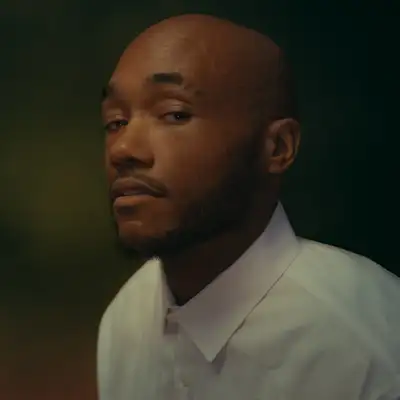
Rob Lee: Welcome to The Truth In This Art. Your source for conversations connecting arts, culture, and community. These are stories that matter, and I am your host, Rob Lee. Except no substitutes. Today, I am thrilled to welcome my next guest on to the program. She is a Philadelphia-based art developer and community builder. She is also the curator and owner of No Name Gallery in Philadelphia. No Name Gallery specializes in urban, street, pop, abstract, and contemporary art, along with home furnishings made by artists. Please welcome to the program, Jonene Lee. Welcome to the podcast.
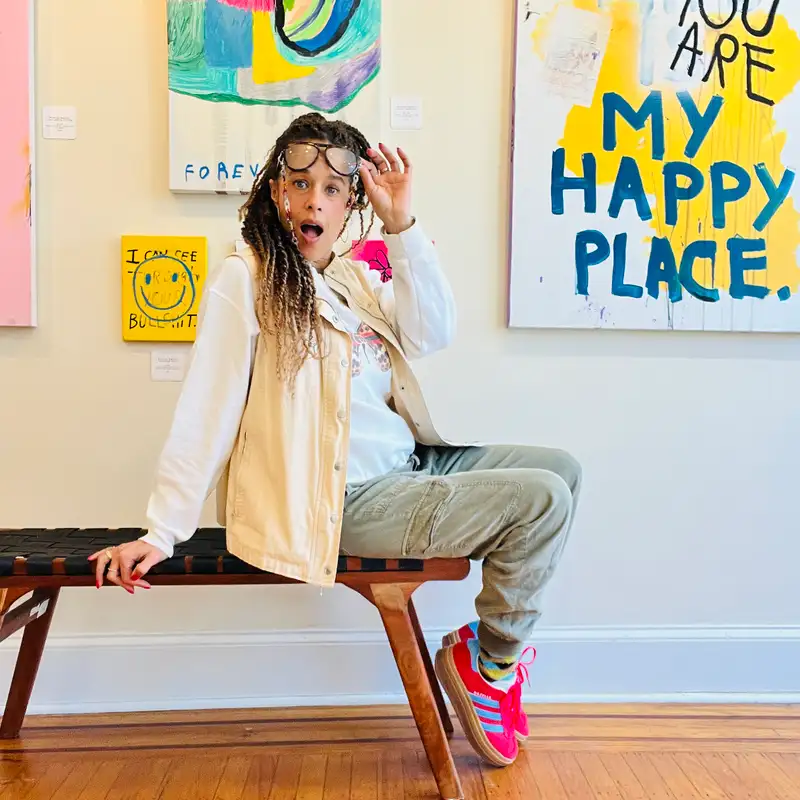
Jonene Lee: Hi, my name is Johnnie Lee. I own an art gallery in Chestnut Hills, Philadelphia. I'm a mom, girlfriend, friend. I don't know. What else am I supposed to say? A dog mom?
Rob Lee: I find, like, with folks who do that, you get like the buyer, you get the online thing, and it's all of these other details that are in there. And it misses the mark sometimes. I remember I did an interview with a person who was a model, was in the politics space, and he said, the most important thing that's always missing is, you know, my humanity. And I was just like, yeah, introduce yourself, you know, and that's where I started adding that piece to it.
Jonene Lee: I think that what I usually don't talk about a lot, because it has just become a natural way of life, is that everything I do is with the thought that it's helping the greater good of whether it's the art community, the music community, some kind of community.
I want the intentions to do good for others is always in my, like, what I'm about. I don't talk about it. I cover, you know, I don't, I never talk about how a violin's here, you know? I stick to dark humor and sarcasm. And that's... Yeah, you know, so, yeah, you know, we were raised on TV. TV, good times raised me.
Rob Lee: Yeah. And doing some of the research, that was one of the things that came across, like, in your background. She's focused and has an attention being in service to others without, you know, just kind of blowing it out. Like, when I do this podcast and I've done it, it's over 900 episodes at this point, right? And, you know, when I've talked to different people about promoting it and bringing it to a new level, or taking it here, or taking it there, I was like, why don't you put yourself at the forefront? I was like, it's not really about that.
Doing stuff for other people and helping them amplify their story? Yeah, right. Why would you do that?
Yeah, for free. Oh, such a wild idea. And, you know, for me, kind of, some of it goes back, like, for me, it's rooted in storytelling and it's connecting with people. And, you know, through story years ago, and I've said this a lot on the podcast recently, I used to, like, watch movies with my dad on Fridays for, like, blockbusters.
And it would be some of the goofiest action movies. And it was just one time that, you know, every week I would share with my friends what me and my brother and dad watched. And I would basically book report style describe the movie. And there was one time where I didn't watch the movie, but the expectation was there that I was going to describe the movie. So I lied about the movie. I made it up. And it's a while. It's like this movie called Giver that has Mark Hamill and you mentioned Good Times. So JJ is in it as well for Good Times.
Yeah, okay. It's a wild sci-fi movie. And I just kind of read the jacket of the book, I mean, of the movie. And I kind of made up a bunch of stuff around it to make it seem like I watched it because I was getting attention. And years later, my friends are like, you know, we know you didn't watch that movie. It's like, I've seen it.
None of that stuff is in there. I knew that I had a hook for sharing stories or lying and doing it with friends and doing it in fellowship. So it's kind of, I can kind of track that. So in thinking about sort of the past and growing up, talk a bit about like photography. Because I noticed that that was an area that you started out with and you're pursuing sort of creative life at an early age. Did you take us back to one of those earlier creative memories?
Jonene Lee: I started taking pictures in junior high. I was always the person who had a camera. My mom gave me a camera, like a Canon film. You know what I mean? Yeah. I don't even know why. I don't know.
I didn't ask for it. I don't know if I mentioned, I don't know, but she handed me that camera and I just became the person that always had a camera. At all the field hockey, soccer, every sport that I played, I took pictures of people, all the parties at school.
And then that just carried on to, I just took pictures of what was happening in my life. That's how it started. I didn't realize, I started, I grew up in the country. Like I grew up about an hour outside of Philadelphia in the suburbs. And I would come into the city to go dancing. Me and my friend Sonia would come into the city and go to clubs. We would watch MTV Raps. Oh God, I'm so long winded.
Like cut me off and tell me to, if you want. It started off because we would go to popcorns. It was an underage club. We would watch MTV Raps, get the dance routines, go to Macy's and steal an outfit. Yep.
I sure did. Our matching outfits and then a spree. A spree. Okay.
Don't get it twisted. And then we would go to popcorns and do our moves. And it was, I don't know, creatively dance was the first creative outlet for me.
I just happened to have my camera with me. So me hanging out with Sonia, we would come more into the city. And then there's a dance choreographer, Rene Harris in Philadelphia. And he had all male dance company and it was street dancers. And so he had, there was one girl, woman who worked with him, Crystal Frazier. And Crystal left the company and was like, I'm going to start the same thing for women. And so she started montage. And so me and my friend Sonia were at shampoo one night dancing and Crystal or Michelle, Bird.
Now montage turned into ladies, a hip hop in a bigger way, but Michelle was the one, she was the brains, the brains in business behind montage and Crystal did the choreography. And so we were in this dance group. And so I started taking pictures of the people in the dance, who we would dance with and who we would be around. And I wasn't realizing every year at the CEC center, they had a hip hop week or some week, all week it was dancing.
And the Rock Steady crew would come down and teach us. Right? Yeah. So I didn't know crazy legs, why not? Mr. Wiggles, all these people. And I had my camera and there I was just bopping around taking pictures and it started that way. And then going to clubs, I was bartending. That was the job I had. I found a bartending job and there were DJs.
Yeah. It was a red sky in Old City and DJ the scratch mechanics would DJ, DJ active, Excel, A run, Atom Bomb, all of them. And I don't know, when I was in montage, I had bought an SLR camera. And it was like a big deal. You know, it made that cool click that I, and I remember sitting at rehearsal one day, I was showing Rita Jean Clark, she's married to Sonny James, she was in montage with me. And me and Rita were, she's like, oh my God, Meen, look at that camera. I'm like, I know. And I was so happy with this camera. And I was bartending and I don't know why I asked DJ Excel and active.
I was like, Hey, would you guys want to walk around the city and take pictures? It was Excel. He was the first person. And I don't know why I asked him. And then I started asking random people in the city that I knew. And I'm going to say because of my space, because I bartended in Old City. And so I met DJs. And then I started bartending a little bit and all the, I love music.
So it was, I mean, natural. And I used to dance. The DJs knew me because I used to be the girl in the circle dancing, but now I was bartending.
And I started calling everyone I knew. I would UV Lucas. She was DJ ultraviolet. She was a DJ before. And I would, and an ethyl C who does, I don't even think ethyl C rhymes anymore, but like, they were together all the time. I would like call random people be like, you want to go walk around the city and take pictures for free.
Everyone. So every, a lot of DJs, a lot of random people will get free photo shoots from me because we just be walking around. And then in 2008, I was with DJ Excel again, riding around and we were driving past art museum. He was like, you know what, you know that Gordon Park's picture that he took of all the jazz or the rappers that's based off of the jazz musicians. I was like, yeah, he's like, you should do that with the DJs on the art museum steps. And I was like, you know, fucking what?
And I went with it. The art museum steps were too hard because it was a public place and too much money to, I don't want to do all that. So I called on everyone I knew from the city, I don't know, around the city. And I had Philly DJ day and I took a picture of 300 DJs. And after that, it became, oh, you're that photographer. But I'm struggling with an opioid addiction.
No one knew I was taking 10, 20 percoseps a day. So I don't know what I'm doing. There's no business sense behind these pictures. There's no goals.
There's nothing. I'm just out here. And I, Questlove was there. So Questlove would start taking me to just random events, to the hip hop honors and stuff. And there I was with my camera. And I'm just running around taking pictures of everyone. I was, Philly is very close knit with the music and dance and art scene. And it was very easy to navigate within those spaces as a dancer, as a photographer, as a bartender where DJs worked. You know what I mean? So yeah, it was, and I just took pictures of everything all the time. Wow.
Rob Lee: That sort of arc right there, one, you kind of went through four questions. So shout out to you.
Jonene Lee: You know, I told you, I would ramble. I would answer all your questions in one sitting.
Rob Lee: But here's the thing. I like to let the guests cook because it gives you an idea of like, what is the through line, a set of me trying to shirp it through it. Yeah. So let me, let me go back a little bit to one of the things I wanted to touch on.
I think I have the answer, but at least want to talk about it. So you said the, you know, being a part of women's dance company, that was really fire. In here also, you got you to Nas, the Roos, Jazzy Jeff covering New York fashion week, a licensing deal with urban outfitters. And maybe it is the Philly DJ day will have you. But which of the experiences, you know, sort of pre no name gallery is most precious to you and why Philly DJ day.
Jonene Lee: Hands down that net and that was just literally the Philadelphia DJ community coming together as one with. I mean, there were some hiccups and problems, but all in all, like, I know that I can bring you. I can bring people together. That's opening the gallery. It was like, oh, wait, I've done this before. I can do this. I can call on the people in Philly that I need to help.
Rob Lee: So what do you attribute to that? Because, you know, I do this and you know, I've developed somewhat of a name. Oh, have you doing this? And I think having the work and I'm kind of like noticing from the way you were describing sort of that, that are you compressed it. I like how you compressed it. And that's not like one or two years. It's like, it's just compressed like 20 years.
Jonene Lee: Because otherwise I'll just start going off on a thing and it's like, let me stay focused to what he asked.
Rob Lee: This could be a three part episode if you want. But but sort of my point is, it's an idea I've been playing with, especially with the state of what things are now. I think I'll just focus in this one area. I think when it comes to folks just doing something, there's this notion of generosity, like whether it be with time, whether it be with energy, effort, what have you. And the notion of, and I've seen this and doing this.
Hey, you want to come on and do a pod? I don't know, man. How much is it paying? I was like, for me to have you interviewed to talk about your work and for an hour. Okay.
Jonene Lee: We're having a conversation for an hour.
Rob Lee: And it's literally promoting your thing. And I think somehow just just folks missed that and I understand some of the reasoning behind it. Or there are others of like, oh, you're not big enough. You're like, you know, as far as in the podcast or side, you know, I know podcast is like, oh, this person doesn't big enough. So I'm going to hold their interview. I'm not going to put it out.
They're not big enough for me. It's like, why did you reach out to him? Yeah. Like what are we doing? And so sometimes bringing folks together can be a bit of a challenge. And I think the majority of folks want to do it, want to connect, want to be part of community. So for you, what do you attribute to having that skill of bringing folks together? Because from what I was hearing, you're around, you're in the scene. You're a person doing something that was in the scene.
Like I see you everywhere. You were dancing, you were just drinking drinks. You were taking pictures. You're doing a little bit of everything. So what do you attribute to it?
Jonene Lee: I have no idea. I think I've always gravitated towards music. I think I've always gravitated towards spaces where there is really good music. I think. And I don't, that's another thing. You know, music is, you can look anywhere on my socials or whatever, and you know there's a music bait, but I don't, and I don't talk about that, but it's like music has been what has tied all this together. I've been lucky enough to, I've documented all of it with photos.
I have photos of every single stage of my life. But I think music is that universal thing that brings people together. And I think that I've traveled within the hip hop and neo soul genre, especially within Philadelphia. It's a really nice community. It's a really nice community to be a part of, to be able to call on people to, I had the music soul child, Aries, the twins that you said she dropped off an orchid at the gallery the other day. And it's like, wow, like I've known, I have a picture that I took of those two twins from the year 2000.
It comes with the Adidas sneaker store grand opening on South Street. Yeah, you know, right. But it's like, I have it. I remember that photo. Everyone loves that photo. But it's, you know, that's, I think that part, it's very easy for me to navigate within Philadelphia because of the music community. That's right.
Rob Lee: And I'll say this before moving into the next question is I need to, I need to not bury the lead further about the no name gallery story.
Jonene Lee: But I don't, like, don't set yourself out if you don't get there. It's not, I'm not.
Rob Lee: Oh, no, no, no, no, no. I'm just being a host guy. But the one thing I'd be remiss if I didn't ask about it or mention this is an observation I've made, like, I enjoy music. I enjoy sort of the culture. I enjoy scenes, right?
Right. And if I go to a place that has like a certain music plan, I was like, I'm leaving. No, no, no, no, is that it's like, I know, like they get it, like, and I can, it's a shorthand, I think that. And also if it's something that's kind of whack, I'm like, I'm gonna head out. I'm just gonna hit the dumpy trail.
Jonene Lee: So I have, I have burnt bridges with friends, not even friends, but like people that wanted to hang out and they're like, oh, let's go there. I'm like, the music's trash. Don't go in there. You know what I mean? And they're like, oh, you're so stuck up, Johnny. Or, or it's like the people there.
I don't want to go there. And it's like the vibe, the vibe off the energy's off. If the music's bad, I'm not going. If we're playing radio hits, I'm not going. Yeah.
Rob Lee: Like I like really obscure things at times. So like, you know, because I'm a January 20th, like our friend quest and a lot of other people, you know, it's, I kind of have like this unique thing and I'll really get and defend my thing. And if someone likes their stuff, that's cool. But also I do, it is rooted in, I think that's kind of whack. I don't know if that's good, you know, it's a place in Baltimore, one of my buddies owns it.
And it's like, you know, very specific, like Japanese arcade bar situation. And I was like, all right, are you going to play the music that you play in your IG? Because that's good.
If you're playing something that's different, I'm not going to be banging with it. I come there, I see, I hear the city pop, I hear the vapor wave. I was like, this is your place because your music choice is right there. This part of your identity is right there.
Jonene Lee: There's a woman in Chestnut Hill is a very much community based type of area. We have a business, you know, the Chestnut Hill Business Association. There's a woman on there and she's responsible for bringing in new business. And she helped me when I got here and sent me grants and all this stuff.
And I remember probably like six months to a year after I opened the gallery. I don't know what we were talking about, but she was like, you're the brand, Johnny. You have to show your face. You have to play your music. You can't run that gallery. Like it's like a gallery and you're just the person, you know, I'm the owner and you don't show.
I'm like, oh, right. And I've had so many people come into that gallery and are like, I saw you on Instagram. And I love the music you play. So I came in and I'm like, wow. So it, you know, it's like that music thing holds us all together in a weird way. Yeah.
Rob Lee: The brand thing, being a part of it and, you know, kind of exposing ourselves. I'm very reluctant around it, but it's like, you know, I'm six, four. I'm awkward. I have off color jokes. It's like, I don't need to be the person. And I think it comes through regardless, you know, but I don't need to. I was touching on earlier need to be out there in that way. But I find when I give a little bit more of me, I did an interview. Well, I did three interviews where every January 20th, my birthday, I get, I'd like to have guests come on and interview me because seems to be people are curious about.
So what does Rob think about this? And I just left it very open. So ultimately it was like four people that got back to me and they were like, yo, can I interview you? One had to drop off, but three of them. And I just combined excerpts from those interviews into like a larger form interview.
And the interviews were wild. It wasn't anything about art because I'm not an art guy. I'm a culture guy. And one was about pop culture.
It's like, yeah, so some movies, which are favorite like hood movie. I was like, I got some thoughts on this and just going through it. And I was like, this is the way to balance both of those things. I'm not necessarily to be the front and center sort of guy despite this being me. I curated, I edited, do the whole thing where kind of revealing to have that what they call, I think in the podcast space, the per social relationship.
Right. Like, well, this podcast is the way of doing that. One of my friends asked me about sort of culturally in society. Let's talk about politics. It's like, not a topic that I really talk about, but let's dive into it. And the last conversation I got heat for it was just like, so Rob, we should leave for like vegetable. I was like, here's the thing, broccoli, broccoli is bullshit.
That's the reason broccoli is bullshit. Got a good publicist, but it's not good. And it was so much smoke about that.
Wow. About broccoli. And I think being able to show that folks feel like there's a little bit more layers to it instead of I'm just presenting these interviews that I find interesting or these people that I find interesting. Yeah. So I want to move into no name a bit and you know, it makes it makes sense where we talked about a bit earlier, sort of, you know, being of services to others is very important to you as a through lives, a thread art music community, another thread that's there that's embedded. So could you share the story of no name gallery?
Jonene Lee: Oh, okay. So I was hanging out. Okay. Here we go. I was doing a series. I was a photographer. Right. I was a photographer. This is what I called myself. I called myself a photographer. I was bartending. Okay.
Let's not. I was bartending and doing random odd jobs because I had no business sense. So I decided to do a series because serious photographers do series and I'd never I had done them when I look back at now my folders and stuff. I'm like, Oh wait, that was like a thing that I was in. But anyway, I was living in an apartment in Chestnut Hill.
Me and my ex had broken up my baby daddy and you know, we broke up. I found an apartment and it had really high ceilings and a big white wall in my bedroom. And I was like, I'm going to start a photo series.
I'm going to call it the black and white bedroom series and people come in and I'm going to talk to him and I'm just going to shoot candids. I don't like posing. I don't like people posing. I don't know. I'm not good at that.
I like candid photos or people moving around talking and I get the in between part of the that's what I like. So I knew I was going to not everyone that I was calling in wasn't a model. So I'm going to have to talk to them and make them give me expressions. And I brought in Dame and Yaya from tiny room for elephants.
I'd known them for years just from being and this is what it was. I'm literally on Instagram scrolling and going DMing like, hi, I have a bedroom series. You want to come over?
Hi, I have a bedroom series. You want to come and it was everyone DJs business owners. Everyone I was being creative and then COVID hit. So I had to stop.
But Damon Yaya came over and Yaya is very much a Yaya is a type of person that can see a person and see where they excite. And I was like, I'm going to sell at artistically and pull it out of them. I don't think she knows that she can do that. I don't think she know. And I know it's unintentional, but like just hanging with her and tiny room for, you're a damn dog, tiny room for elephants was like a artist collective. They did murals.
She would have a festival. And talking with them, there was a building around the corner. Right. It was after COVID. Right. It was after COVID. There's a building around the corner from where I lived on Germantown Ave, right in the heart of Chestnut Hill.
It was empty. Yeah. And I had worked at Janssen, a fine dining restaurant down the street since it opened for six or seven years.
I don't know. And so I knew the guy who owned all the properties in Chestnut Hill because he would come to dinner all the time. And I was in Janssen. I do their social media too. And they just closed, but I did their social media the whole time. And I was in there taking pictures. And I remember I was walking out of the building and Richard Snowden was walking in with his partner. And I love them. And he's like, I mean, he's like, oh, how are you?
And I was like, oh my gosh, hey, that's not at the top of the hill on the corner. Can I do a pop up art show and without a beat? He was like, sure, I love art. And I'm like, wait, what?
Okay. He's like, oh my gosh, I love art. I'm on the board of PASSA. And I'm like, oh, okay. I had no artist lined up. I had not, you know what I mean?
I am my entire life. It hasn't, I started following through when I opened the gallery. I am queen of ideas and not following through. I feel like most artists, but this, so then I asked, I'm like, oh God, I got to follow through. He's going to give me this. So he gave me the spot for a couple of weeks. And I called up artists, people, people that I knew and surely on Instagram. You know what I mean? I was just called like, hi, you want to do an art show?
Come on. And it was really successful. And I had DJ active. I had DJ little Dave.
I told him, I said, I want you to play Wu Tang, take out the curse words. But this is how we're doing it. We're bringing the vibe to Chestnut Hill and they loved it and everyone loved it. And I was like, oh, shit, this is, and I sold a ton of art, sold a ton of art. And I was like, oh, okay. Wow. So yeah, after that, it was like, I'm doing this.
I'm going to follow through and it's been a, it's been a really fun ride. I'm learning business because I'm an artist that opened a business. And I think a lot of people are either artists who open a business or there are hustlers that open a business.
And it could be the same thing. It could be an artist or a hustler with a singing career or whatever. If you don't turn that artistry or hustling into entrepreneurship and business sense, you're going to fail. You're going to fail.
And it's like, I hired a business coach like three or four months ago because it's like, yo, I'm missing things. I know what I want to do. I know where I want to be and how I want to, or I know where I want to be. I don't know how I can get there. I'm doing everything I can. Last year I was a burnout the entire year. Did I answer your question? No, you did. You did.
Rob Lee: No, so, and that's sort of, actually we were moving into that next part, the next sort of area I wanted to cover, you know, learning, developing, getting those, taking that sort of movement from having the idea, and I love that you're an idea person. I'm an idea person as well. I was like, hmm, sometimes that follow through tenuous, but having ideas, especially now, because there's nothing new. We make the same movies over and over again.
Nothing is new. So you have ideas, there's value in that. So talk about what's been, you know, really integral in your development as a business, as a business person shifting into that entrepreneurial mindset. You mentioned the business coach earlier.
So talk a little bit about that. Is there an experience that is like, this is an indication of how put together a really fire show? I did the business part of the creative thing.
Jonene Lee: I think waking up every morning, wanting to work on your numbers. I, my God, I still don't think I did it this morning. Okay. This is not, it is like, when I get off with you, you know, I'm going to eat and do this spreadsheet. Um, no, I think having the events, you know, coming up with the idea of having the events, the sponsors, all of it, so easy for me, piece of cake. That is not hard for me connecting people and things and knowing people and calling. I'm not scared to call anybody. I'll call anyone and answer them for anything. I'm going to shit.
That's not hard at all. But where's the money in that? Where does the money come from? And it's not just, uh, I want to make this much money because I'm a small business. The whole small business, those two words at this point in America are like irritating to me a little. It's like, I feel like the small business in the LLC was made for women in the blacks.
Here you go. And there's your little small business in the LLC, which just covers our asses if someone slips and falls. So it's like, how am I building this?
What ideas am I coming up with to grow it to be bigger? I don't want to be a big Amazon where, you know, you're crushing communities, but it's like, how do we ship this? I don't know this way of thinking that we all have a small business, small business, small business.
We'll stay small forever because we're calling ourselves small. So I don't, my intentions have changed in the last six months of like, I only want to do things at the gallery that make money. I know that sounds horrible and that like hurts like an artist.
Ugh, it like hurts my, my, my, my, my chest, my heart hurts. You don't want to do things for the community, you know, for the greater good. Like I said in the beginning, yes, I do, but now I got to make money off of it. And there's ways to do it. There's ways to be a community builder and driver and do your volunteer work and also be very, very wealthy. And there's nothing wrong with that. And so with that in mind, I'm starting way backwards now. I'm starting with, I want to make $500 on that event and working backwards.
That's been my big shift of change. If I can't make that, that event ain't happening. Guess what? It's not happening. Whereas before I'd be like, oh my God, it'll be so fun.
And all I want to do is bring people together in the gallery and they'll probably buy something. No, they won't. No, they won't. That's what I'll tell you. People are going to pick up little things here and there, but it's not going to grow your business. You've got it. I got to have a plan as to.
Rob Lee: Well, that's, but that's a good point though. Like, you know, I do this and I find a lot of times where we're told to operate off of vibes, the LLC, right? And, you know, I've been a podcasting really 20 years. So it'll be 20 years next week.
And no, sorry, not 20 years, 17 years next week for nearly 20 years. And, you know, I keep hearing, hey, do the, you know, what is it, a Patreon or do all of that? I was like, I don't, I don't do that. I think I can get grant funding. I can do that.
I don't want any doofy sort of, hey, you put an ad in it or doesn't quite fit or put it behind a paywall. I've heard that so many times from the quarter zip dude bros that tell me they can 10x my business bra and it's not really the thing. Right. So like, I'm talking to someone and I'm like, share your story, how you want to share it, but I'm going to put it behind a paywall because I control your narrative. That feels disingenuous and wrong.
Yeah. However, it should be a thing where I don't need to make concessions for, because it's always tangled. Like, I still have a day job. So I don't need to take from the day job and what's allotted there for like life to fund this thing that while valuable and people use it as part of their portfolio and it's free promo. We know how much they're covering arts and culture, you know, and these major publications now.
They just kind of got rid of it. In some instances, I'm one of the only games in town and I'm not being that way about it, but essentially similar to what you're describing. It's like, I ain't doing this for my health. Yeah.
Jonene Lee: It just becomes like, I have to feed my kids and, you know, I have goals that I want to attain. So it's not, we all have to make money and I want to have, you know, I grew up poor. We don't have enough.
We can't do that. I took my first family vacation this year with Mark's family. I'm not, I mean, most of my family is dead and I talk to a few of my cousins, but we didn't go on family vacations.
I think we went to Wildwood for a weekend once, you know? So it's like, I don't want, that was not fun. And I didn't realize how growing up that way, I entered adulthood with poor mentality, you know, looking at someone. I'll never forget I was that I used to be a personal trainer too. I've had a lot of jobs. I've gotten fired from all of them though.
You're looking at like, oh my God, no, I've gotten fired from every single one because I can't act right. I don't, I have my own. You know, I like to do my own thing and I like to dance. I've been, I've been written up and called into human resources for dancing. Yeah. I'm like, are you guys kidding me right now?
Rob Lee: That's only moving up the dial of how much I appreciate you.
Jonene Lee: It was after that job I left and went to college. I didn't go to college until I was 28 because I was, I was sure I was going to, my ego really thought that I was going to prove everyone wrong and succeed with, you know, no, I did college education. And it's not like my, I went to school, I went to the temple when I was 28 and I went for communications and theater. So now I went and got a PhD or some shit, but it was, I think the, for me, college was very much a, you can sit your ass down for four years and do this.
You can write all these papers. I was a very good student. I wasn't a good student in high school. I mean, I was, but I didn't study or anything. College, how the hell did I get here? I don't know. Yeah.
Rob Lee: The, you know, I, I've taken sort of the background, like I've been, I have a business degree, data analyst background. So I apply some of that skill set and to what I do here creatively, but, you know, I'm 41. I've been a podcast for 17 years. So it's a big chunk of my life in that area. But being able to apply sort of the strategy and the background and what I like to do, I like to be sneaky about this. I don't really tell too many people that I have that background and a marketing background. So when I get into these goofy meetings, they're like, yes, your analytics. I was like, actually, I already have those. Here's a spreadsheet containing all of it.
Jonene Lee: Here's the numbers. Tell me more about my work. I didn't understand. And I went to school. So at Temple, the school of communications, you can do an in departmental, which I don't know if you can still do it now. I went in like 2006, I think something like that.
I don't even remember. You could get a degree that was in departmental, meaning you took advertising, marketing, broadcasting, theater, every single thing under the umbrella of communications. So it's like, I had no idea that since my space, when I was putting my pictures on my space and playing a song and making sure the pictures went to the beat of the song and stuff and how I would organize them and then Facebook with the albums. Oh my gosh. And all the how I would post stuff. And then we got to Instagram and it's like, oh, I'm good at marketing. Holy shit. I didn't know really until, really until I opened the gallery and other people started being like, oh my gosh, you're so good at marketing.
I'm like, is this smart? Oh, right. It is marketing. I'm just, I, you know, I like it. I enjoy posting pictures online. Surprise. You know, so Instagram was like a short, like, okay, let's go post every day. No problem. I have pictures. I take 10 pictures a day and 22 videos. So okay, let's go all day.
Rob Lee: That's, that's a funny thing though. Like the, the marketing background, like I had a person I hired, they were doing my marketing for me and my social media. And then when I couldn't afford it anymore, I started doing it and they hit me up. Who's doing your social? I was like, I am.
They think it's really good. I was like, I know, I'm not another person because I'm managing multiple things or even in doing this, I learned this recently. I was sharing with a podcast producer from one of these events that I had to friggin MacGyver a situation, another outdated reference, but I had like my recording gear, my mobile gear, and it was something where we just couldn't get the mic fixed.
I'm troubleshooting on the fly while still conducting the interview with no producer. And the guy is looking at me. He's just like the guy I'm telling about telling the story to, and he's like, you're front end developer.
He's like, you're doing all of the technical stuff while hosting, booking. I was like, yeah, I don't necessarily because I'm broke. I'm an LLC in black. What are the blacks to be specific?
So I got two more real questions and then I got these rapid fire ones I want to hit you with. So could you describe for us sort of a memorable sale? Set that stage for us. You know, I always get
Jonene Lee: like, Oh my God, I just had it. I just had it. And it was Kathy White's six foot piece of Sriracha. I had it was $4,500. It's a big piece, right?
It's six foot. So it's like, who the hell is buying this? And, you know, I sell art from $5 to $5,000. I'm not selling art for 20 grand to people in mansions with huge high seal. So it's like, who's getting this piece?
What am I going to do? And I, the night of the opening, Kathy's partner said, I see it going in a restaurant. She goes, I see it going in a restaurant. And for some reason I go, I don't, I see like a white guy with a baseball cap on it. And, you know, we laughed and that was it.
But I'm in my mind. It was a white guy who's down as fuck. Like I'm not saying white guy, you know, he's cool as shit. He's got his baseball cap on. He probably wears good sneakers. He know, you know what I mean? He's gone to a Wu Tang show. He's that white guy, you know?
And, you know, we laughed about it and giggled and that was that. So Friday, the one Friday, all through November, no one bought it. No one, people would tell me how great it was and whatever. You know, everyone likes it on Instagram.
I'm like, to buy it, damn. And then on a Friday, I go to chat GPT. I try not to use chat GPT because I don't, you know, the whole water thing. It's like, oh my God, my skin is already dry.
I cannot afford for the water to be taken up. Like stop using chat GPT. But, but when I have an idea, it helps me build off of it because my mind can't go. So I go into chat GP and I say, I, you know, all of the pictures of, all the pieces in the gallery are on the website. So I take the link from the website and I put it in chat GPT. I say, you see this and it has all the stats, how much it is, everything. Give me restaurants in, you know, within the next, or the 25 mile radius where this piece would fit.
Give me restaurants, give me office buildings, food places, you know, me and then chat GPT spits out a shit time. I'm like, oh snap. And so I'm sending this nice little email that I've concocted with links of this piece and Friday and I was so proud of myself. Like this is when I do stuff like that, I really feel like a business person. I'm like, look at me thinking outside of the box. Emailing people, you know, just, you know, no one crickets.
A few emails bounce back. I'm like, oh, okay. So whatever. Sunday, I'm sitting here, this guy walks in. Hi. I wanted to look at Kathy White's Sriracha piece. Yeah, sit around the corner from there. You know, let me know if you have any questions. I'm not the person that like bothers you when you're shopping. I don't like that. So I don't, my boyfriend, he's like a salesman. He's in sales, he makes money in sales and he's like, go talk to him.
I'm like, no, no. But I left him alone. He goes around the corner and he comes back. He's like, okay, I want to get it. What? He's a white guy with a baseball cap. That's a white guy with a baseball cap.
I heard it. Which dunks are those? Let me take a look at your shoes again. Yes, he had on nice sneakers too. I noticed everything. I was like, well, look at this shit.
Well, here, his wife is friends with Kathy and blah, blah, blah. I want to buy the piece. And I was like, yo, know what you want and take steps to try to get it.
Because the steps that you're taking might not lead you there, but as long as the universe got a la Buddha, whoever you believe in, as long as they see that you're taking the steps, you'll get it. And the restaurants didn't know an email me back either. Not one. But the white guy with the baseball cap walked in and bought it.
Rob Lee: Having that profile, put yourself in a position to receive, as they say, the blessing. And here's the last question that I want to ask you before I get to the rapid fire. It's going to sound gauche, but I want to get your take on it.
Jonene Lee: I don't even know what that means. What does gauche mean? Is that a 40-year-old thing? I'm 50. We're 10 years apart. Who the hell does that mean?
Rob Lee: Sort of obvious is like, why are you being an asshole? Like, almost like somewhat pretentious. That's a pretentious-ass question you do that for.
Jonene Lee: G-O-S-H?
Rob Lee: G-U-A-C-H. Wow, that's bougie. Okay, go ahead. I'm super bougie. Look, I eat Japanese strawberries.
Jonene Lee: Interesting. Just when I went Mark, he was like, I'm bougie. I'm just going to tell you that. I'm like, oh my god, I love that. I'm like a hippie, hip-hop bougie type of. But yeah, I'm like, oh man, I can be real snobby. Like, it's harpy, gross, now, ew.
Rob Lee: We'll have to trade some notes on some bougie things, because I have some takes. But I want to ask you this. So what is your definition of curation and the role of a curator?
Jonene Lee: Oh my gosh, I don't know. What is my definition of a curator? I think a curator is anyone who can see an artistic vision and follow through with it to produce a visually pleasing experience. Did that make sense? I kind of string together a bunch of words, but I feel like I was thinking about it when I was talking, because I don't know. No, you did it.
You did it. Yeah, it's like, because it's not just art you're curating. People curate events. They curate DJ sets.
DJs curate what they're playing. You know what I mean? It's like, oh, it's not visual. Take that part out. Yeah, I think it's like a creative who can pull things together to give other people a genuinely really fucking dope experience. A curator. Yeah.
Rob Lee: That's good, because it's like, I've heard that as funny. I've heard it from curators. It's like, oh, you're just curating. They say there's some intention in what you're doing and who you're bringing together and why you're talking to the people.
Jonene Lee: Oh my gosh, one month I curated it. So the gallery has six rooms. It's too long, you know, six rooms. I curated that damn gallery in a rainbow. The first room was red.
You know, second room was art. Six, did anyone notice? No, I was pissed. I think I even made an Instagram post about it.
I said, no one's going to talk about it. I curated a rainbow in its springtime. And everyone loves art. The art sold. But my thing behind it that I saw people, no, no notice.
Rob Lee: I wouldn't notice though. I wouldn't notice and I would have said something to you.
Jonene Lee: A few people were like, because every room was like a shade of a different color. I'm like, everyone's going to think this is so great. Yeah, no, no.
Rob Lee: I remember the first time I had that said to me, it was actually at a show and I'd asked. I was like, so when you laid this out, was it intentional to have, it was a painting of a black security guard. And I was like, was it intentional to have the security guard as the first painting here? And he's like, oh, you noticed that? I was like, yeah. He's like, well, the reason we did it because usually with the guards, I was like, yeah, I kind of thought as much.
He's like, don't hold on brother. Yeah. And I was like, I tried. I mean, I failed our kid.
You know, I'm doing murals when I was young. No, no, no. No, no, no. No, no, no. No, no, no. No, no, no.
No, no, no. Let me hit you with these rapid fire questions. Because these are ones I feel particularly happy about. I've had to go ahead and follow my questions, but I'd look these ones up. Oh, wow. Okay. All right. I'm going to mispronounce this actively because, you know, so what's the deal with Asahi bowls? Oh my God. This is someone who's never had one.
Jonene Lee: Yo, I want to open an Asahi bowl place. I didn't even tell you my big, my big, I'm a developer. You know how white men develop spaces? That's me, except I have a vagina and I'm black.
I am an art developer. And on the, yeah man. And on the first floor, there's retail. The second floor is an Airbnb with rotating art and up top on top of those, it's townhouses that pay for everything, right? But on the bottom, and I thought about this, what about this on the bottom? It's going to be, you know, definitely an art gallery. Perhaps a podcast studio. I don't know why yet.
I don't know why it's been brought into my mind. Like, do we get a DJ set up in podcast? Anyway, but the other spot is going to be an Asahi bowl spot. Because across the street from the gallery, there's a bakery and an Asahi bowl spot. And these motherfuckers print money.
Why? They sell sugar. With our first addiction, the first addiction out of the womb that we get is sugar. We, diabetes, we have created a disease, you know, based on sugar. So, I thought to myself, well, if I'm going to go into business, one of these things, it's going to be the Asahi bowl because it's healthier.
Like, let's go for the natural sugar. So I'm like, I'm going to try one. I'd never tried one. I've had one every day since.
It's been two years. I spend $400 a month. Dude, it's out of control. Now my daughter's doing it.
Oh my God, me and my daughter. I order two now. $33 a day.
$33.17 a day. Yeah, sometimes I withdraw my account. If I don't transfer money over and I'm playing around and times are tough, I will withdraw my account for an Asahi bowl. I sure will.
Rob Lee: That is me with coffee. I mean, it's gone up a little bit now. I'm a two to triple shot, quartado a day kind of guy.
Jonene Lee: I have an espresso machine here. What are you talking about? I am here with my... Well, I drink decaf too. I just recently switched back to decaf because it's... But no, the Asahi bowl, they're healthy.
I get my scuba protein and my flax seeds and chia seeds and stuff. And it just, I don't know. I think it probably hits all of my dopamine receptors. Honestly, at this rate, it does something for me and it makes me happy. I have fought with Mark about the Asahi bowl because he will be like, how much have you spent?
What is your plan? It's every day, would it? And I have, I think, I mean, we, I yelled at him not too long ago, like about, don't tell me not to get my... It was probably right before my period.
Like, leave me alone with my Asahi bowl. I'm 50, my hormones are all over the place. Sometimes I'm not hungry a lot. I like these things, you know, and I get all my nutrients.
Rob Lee: So this is another thing. Thank you. That's fantastic. Now, big Asahi is going to be...
Jonene Lee: You have to try it. You have to. It is, I'm telling you.
Rob Lee: I'll make it a point next time I'm Philly to go to that specific location and get the fix. Oh my God. Here's the next thing. This is another thing I noticed because, you know, I creep around.
Jonene Lee: I mean, we're all on social media. We all do. If anyone says they don't, they're fucking lying.
Rob Lee: But some people just ignore things. Like, you know, sometimes when I get that engagement for these episodes, they'll say, yeah, see, you didn't really like that one. Oh. So this, I read that you're, or, you know, heard, you're a salty person. What's your favorite salty snack?
Jonene Lee: Better Cheddar's. Oh God. That's probably why I have cancer. Better Cheddar's. I know. I make cancer jokes too. Sorry. You're going to get it. Here we are. Yeah. I don't know.
I think it's a childhood thing. I don't get them a lot because I don't, my appetite is very hormonally messed up. They fluctuate so at the month of like what I'm actually hungry for and acai bowl.
Yes. Every day, but it's like a salty snack. I won't, yeah, the better Cheddar's are like the one thing I'll tell Mark to get from the grocery store and I'll sit here like a fat sack of shit and eat.
Rob Lee: Yeah. I enjoy cookies too much. I'm more of a sweet guy, but you know, those giant like, what is it? Do you have moved from salty? I was like a white cheddar cheeses because those are the bougie cheeses.
You know, we had a whole arc. It was an Instagram account that we developed called lightskin snacks. So we were breaking down which snacks are lightskin snacks and white cheddar cheeses, golden orials. I think we had, what is it? Mamosas we consider those lightskin snacks.
Jonene Lee: Oh my God. Yeah. That's great.
Rob Lee: So here's the last one. It's music to tie it all together. Music is a thing. So if you could describe in three words the sounds of no name gallery.
Jonene Lee: Oh, the sounds. I'm trying to just blur things out and not think funky, smooth and eclectic.
Rob Lee: Can you pull that one out? I like it.
Jonene Lee: I like it. I was like, I'm like, well, it's rapid fire. So I'm like, no, I can't think too long. You know, so I guess funky is the, yeah, like that really encompasses me and the gallery. You know, I like it. You're questioning it. And here's the last thing, sage advice.
Rob Lee: So this is sort of the advice portion as we close out here. For folks who are looking to make that transition and bring in more than entrepreneurial mindset in their sort of creative life, having that connection background. You're definitely a connector.
I'm already going to be hitting you up like, yo, advice. How do I do this? And not like, you know, lose my shift briefly. What would you suggest for folks like the first thing for someone who's like, I have some ideas. I want to bring them to fruition. What's the first thing you would like suggest for them to do with you having your experience now building out and having the gallery doing work, having these sales and having these connections?
What would you suggest for someone who's like, I want to make the leap. I have these ideas. Not sure really what to do. What's the first thing you would suggest to them? Do something.
Jonene Lee: I know that's not what you were thinking, but I think most people have so much potential, including myself. There's a bunch of shit that I'm, you know, but I think a lot of people have so much potential and have such a great ideas, but they will just keep talking about how they want to do it. Oh God, I just, I want to do it. I have this idea. I want to just fucking do something. Send out an email. How about that? Send out one email.
There. That's my advice. Send out an email to someone that you admire and ask them to lunch. Try that. I do that. I email people and hi, you want to go to lunch? My treat.
I promise not to ask you a bunch of advice, free advice. That's the other part. That's, that's what I will tell you. Don't call on people and just ask them randomly. Fucking advice. Can I pick your brain for a few minutes? Dude.
No. I just said, and I'm like, before I open the gallery, I, I would never think to do that because to me it's like, well, no, they're, they, they obviously know a lot to get where they got and I don't want to be the person. It's like, tell me how you did it for free.
How did you do it? You know what I mean? They, they're busy. They're busy doing the things that I want to do. So why don't I start trying to do those things? Why don't I, you know, there's someone that I admire.
On Instagram. Why don't I start looking at some of the moves they make and start making those moves? Move.
That's what I can tell you. Move. People stay and they sit. Go do something. If you have all these great ideas and you don't know what to go for, fucking walk around the block and think about it. If think about who you can email. You know what I mean? Like take action. Go. Like Nike. Just do it.
Rob Lee: So that's, I think that's where we can wrap. That's really, that's a really good point to wrap. It's going to be clip, it's clip-able, right? So that's really good. And thank you. This has truly, truly been a pleasure. It's been a lot of fun and insightful as well. So, so thank you for the day's conversation and in these final moments, I'd also like to invite you to share with the listeners any of the social media, any of the plugs you want to do. If you want to do any plugs, the floor is yours.
Jonene Lee: NoNameGalleryPhilly.com at NoNameGalleryPhilly or all the socials. Well, not really. I deleted TikTok, America. So I'm only on Instagram and I'm on Facebook because it's connected, but yeah.
Rob Lee: NoNameGalleryPhilly. And there you have it folks. I want to again thank Johnny Lee for coming on to the podcast from NoNameGallery. And I appreciate Johnny for spending the time with me today to give some insight in the story behind NoNameGallery. And for Johnny Lee, I am Rob Lee saying that there's art, culture and community. In and around your neck of the woods, you just have to look for it