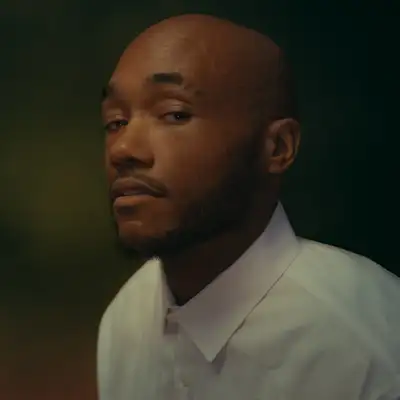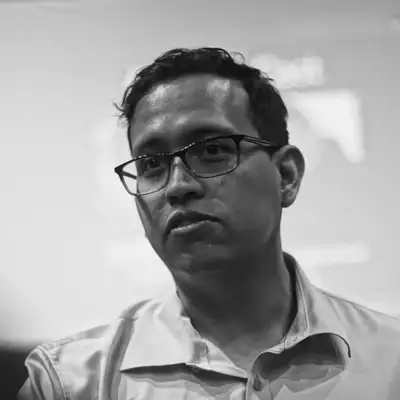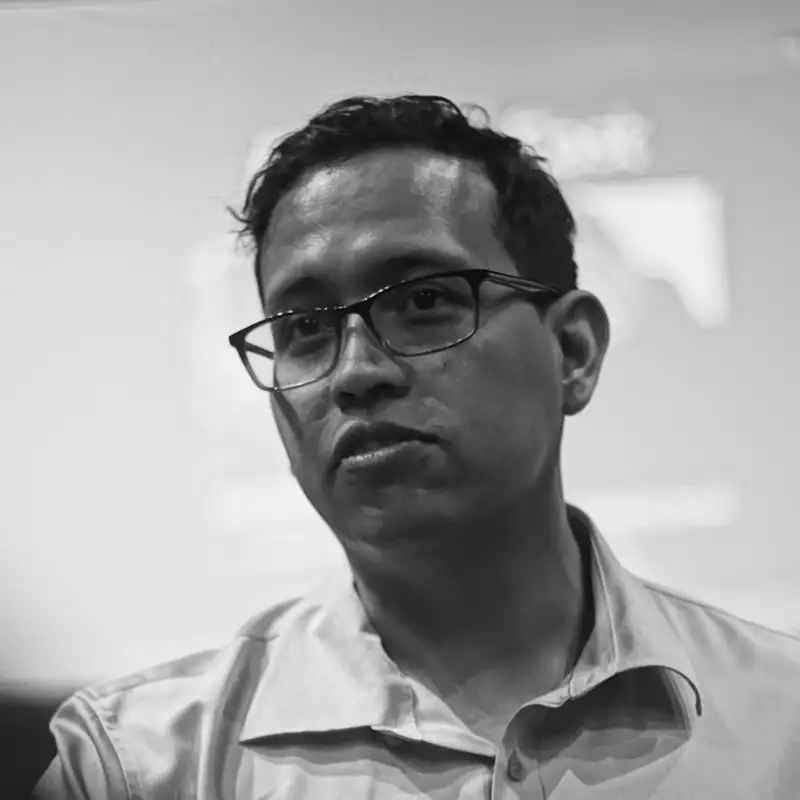
Juan Morales
Download MP3Rob Lee: Welcome to The Truth In His Art, your source for conversations connecting arts, culture, and community. These are stories that matter, and I am your host, Rob Lee, except no substitutes. Today, I am thrilled to welcome my next guest, Dorne, to the program, a writer and director whose films have screened at festivals across the US, and those films explore themes like climate change, the pursuit of happiness, wealth inequality, and racial justice.
We'll be discussing his background and his upcoming film, O'Walier. Please welcome to the program, Juan Morales. Welcome to The Truth In His Art. Thank you for having me. I'm so glad to be here. Likewise. Glad to have you. It's always great to, you know, as we were doing the prep.
Usually, see, this shows you. Maybe I need to hire someone to do the prep because I like to keep the visage that I'm unavailable into a showtime, but I do all the prep with folks, so it's kind of fun. But as we get started, I want to open up with a bit of your background. You know, I see writer, director, and for me, and especially with this podcast, I see storyteller. So please, could you introduce yourself? Where did you grow up? And what were you into as a young person?
Juan Morales: Of course, you see, I mean, I'll start out with the most simple thing. My name is Juan Morales. I am a Maryland native. I've been here for literally my whole life, grew up here. As far as, like, what got me into this, I mean, to be, you know, the funny thing is I was supposed to go to med school and become a psychiatrist. I was like this whole path and everything. I was like a year and a half away from graduating and going to med school. And then I realized I want to do something that I love because growing up, especially if someone moved from an immigrant background, family, the values that your family always instills in, presses hard on you. It's like, you got to be a doctor.
You got to be a scientist. You got to do something to get the money, you know? And that's good and all.
And I know that all your family is just looking out for you. But for me, it was just one of those things that like a light bulb flick, so to speak. And I just realized I love movies since I was a kid. One of my fondest memories, my earliest memory of watching film was watching the mask of Zorro.
Antonio Banderas is one. That one was my start to film when I was younger. And from there, I was introduced to just everything. One of my brother's friends would always allow us to go through his whole huge, like, it's only the criterion closet, to be honest, that he has of like so many different movies and shows from not just like America, but like Japan, all that stuff. But all that kind of stuff just really like inspired me and I always wanted to tell stories.
And well, you know, here I am. I decided not to go to med school and I became a self-taught filmmaker. I've been doing this for six years and my films are taking me to some of the craziest places and met some interesting people.
Rob Lee: That's great. And I think a lot of creative individuals have that sort of push and pull. Sometimes they pull the valve a little early and they'll go after sort of maybe what the family is suggesting.
They have their best interests in mind, but at your heart it's just like, I like movies. I think I want to do this. Or, you know, for me, I didn't pull it, but I got pulled back. I wanted to have said this before. I wanted to be a robot, I wanted to be a robot, what is it, a roboticist engineer at one point when I was super young. And then it suddenly got a little bit, you know, when you're super young, you're like, I can do everything.
I can be an astronaut scientist. It's all of these different things. And by the time I was in high school, I was doing some entrepreneurial stuff, but I'd already had this sort of time illustrating and this time writing, poetry and rap and all of this different stuff. So you get to that stage where, you know, I want to do this and family is like, you should do this. And I chose business school, did that.
And I was the beginning of my career, but I want to say it around 24. I was like, I need to do something creative. And I took the last, I took this risk, took the last bit of money that I had, it's like 500 bucks, won across the street to Best Buy. I knew not, I do nothing. I knew nothing about what I was doing. I was like, I need some microphones and a thing to record into. And I've been podcasting since that's been 17 years, you know.
Juan Morales: That's really cool. I mean, I wish I could say the same thing where a family member told me, you know, like, I usually definitely pursue it, but it was always the opposite. It's like, you need to buy a house, Juan.
You need to start looking towards buying a house. You know, for me, it was close friends. And that, you know, they looked at my stuff. Well, I mean, I will say that the early stuff that I made was quite harsh. But, you know, as we're growing up and you see like the second film, the second story that I'm coming up with there, they started to tell me, you know, like, hey, this is, this is really good. And, you know, and for me, the inner voice is in positive syndrome. Are you just saying that or is that something I need to pursue? It's like, no, no, man, go for it. So, you know, I made films and whatnot, but yeah, it's quite something.
Rob Lee: Absolutely. And so when like, when you think of your, your work thus far, you know, and we're definitely going to dive a bit deeper, but this is still like sort of introductory territory, some of those perhaps other early interests that were there, how did they maybe show up in, should like the creative work that you're looking at as you become, has become, have become older, moving, matriculating from, you know, a young person to a, you know, not as young person to an adult, you know, that sort of stage or have you, one of those early things. I've said this on this podcast to give you sort of an example where storytelling was a thing.
I call it like gentlemen line. I used to just like lie about movies that I'd watched. And as realized, I was always telling stories, some real, some made up. So for you, how did you, some of those early interests, you mentioned mask of Zorro. How do some of those like early interests like show up perhaps in the work that you're pursuing or the work that you're interested in making?
Juan Morales: Um, I mean, a lot really, a lot of the films that I watched, they didn't just inspire me to, you know, I want to make this action movie or this superhero movie or something like that, but they touched with me on like, uh, on an emotional level for me, watching them, you know, I might not always have. Elements of everything that I've watched since I was young, but the feeling that I take away from that, that's what I've always wanted to try to replicate in my own work and make sure that I push myself further. So I'm not just making a movie. Um, I can give that experience, you know, for someone growing up and they're lost.
And they, you know, it's a scary world and they watch these things and they get inspired to meet. I was like, my biggest thing. They all that'd be really cool if I could do that for someone else. Yeah. Yeah.
Rob Lee: The, especially with like now where film, film going, film culture, I think has, has changed a bit over the last, uh, few years. And I think when it's a revival or when it's an opportunity for folks to get together, um, to be in the same room in the movie house as it were, or even in a sort of like, uh, makeshift situation where it's a big screen. It's something about seeing a film on a big screen and with people and it's that emotional response when something hits like in a horror movie or in a comedy, when everyone laughs, it's like, we're just sharing this experience together. And I think that as things kind of move in this more technological sense and it's bad tech, not good tech, I think we're getting away from a lot of that, but it's great to hear that you've had those sort of, you had like an experience or feeling and you want to like pass that on in your work and have other people kind of receive that. Yeah.
Juan Morales: I mean, you know, since the beginning of human culture, I mean, it's one of our foundations of how we became came where we are today. It's always passing down that knowledge. And for me, you know, it's not only, especially recently, it's not only just a thing like I want to inspire someone, but I want to make sure that those noble values at least in the world, at least I want to say that the majority of the world believes in get passed down. Because I think a lot of the issues, especially what we're dealing with today, have been in part because our culture has strayed away from wanting to create stories that inspire people or have some sort of, you know, meaning to them to more like conveyor belt sort of movie. And you can see that, you know, a lot of people, a lot of the stuff, a lot of the things, politics specifically are influenced by culture. And for me, it's one of those things I want to be able to help part of that system where I can pass down and make sure that the youth were growing up aren't getting messages that they may not understand fully what they're seeing.
Rob Lee: I believe, and I thank you for saying that, I believe to sort of echo that sentiment before moving into this next question is that pop culture, let's use movies in this instance, film in this instance, they're a export from, especially when it's a cultural component there, like, you know, we have this sort of coastal thing where we're both from the coast, you know, Maryland and all of that.
And perhaps a film or series that's covering a certain slice of history of life or certain community that isn't widely known, you want it to do justice and be representative of it so that when it hits these other communities that have no dealings. I'm from Baltimore, you know, so I think it's like the wire having to listen to like, oh yeah, is it like this is Baltimore like that? And it's just like, it's a city.
I don't have to tell you, but it's a cultural export is sort of the point. And when we get into not just the city component, but the cultural component, and when someone really hits it and really gets it right, you're like, oh, okay, cool, you've done a great job and it's going to be impactful. Speaking around the impact is if they're a movie, like, you know, you have a fandom, right? You have like an appreciation of film, but if they're a movie that I want to hear the story, is there a movie that hits you when you were like, all right, I got to do movies, I got to do film, I'm here, I'm at this theater, I had this popcorn, I have these M &M's in the popcorn or whatever it is. We're going to talk about your snack choices at film later. But what was the film that was probably the film that you watched before you decided that you wanted to engage in this as a, as a pursuit?
Juan Morales: There are quite a few, but I will say one of the biggest films that had an impact on me, especially seeing it in person. It was part of a franchise. Everyone's probably familiar with it. Not only does it have, did it have a, you know, it did resonate with me because there was a lot of relatable topics to it, but it also had a sentimental value because it was one of those films that I got to watch with my older brother, my whole, well, both of my brothers before, you know, we went our separate ways because that's just life with Spider-Man 2.
Sam Raimi, Spider-Man 2. I still vividly remember sneaking in lollipops and candy and all sorts of other snacks because we're trying to save a couple of bucks because, you know, even back then buying popcorn was expensive. And, you know, I remember watching, you know, prior to that, you know, my, most of the movies I've been watching at the time were like Home Alone. You know, they're great movies.
Was it a movie with Will Smith, Wild Wild West, the whole very interesting movie. But walking out of a theater and watching a story about not someone, not only someone that I've read in like comic books, but like feeling this real, like this relatability with the character of Peter Parker, like it was so well captured by Sam Raimi that it impacted me. And it's like, I don't want to just make movies that like, you know, are just going to be there to watch for like an hour or two and you turn your brain off and you forget it. But I want something that I can relate to because I think that's what people really go to the, to movies. Well, not just, you know, not just movies, but any, any medium. Why they go to view these, these art forms because there's a relatable aspect to them that they can connect to.
Rob Lee: Yeah, absolutely. I think I was in the theater as well, I saw Spider-Man 2 in the theaters as well. I was like, ah, and I think in that same year, the, the movie that keeps sticking out to me, I think it was, it was either 2001 or 2002.
I believe Spider-Man 2 came out in 2002, but I think it was the ring. When I saw that, especially when, you know, the chick comes out of the screen, I was like, I'm out. I'm, I'm just going to hit the old Dusty trail. But it's something about that. I watched a lot of horror. It's something about sort of the supernatural is something about those those horror movies and shows and series rather because I think they're movies and series have gotten closer in terms of quality and types of story that happens. And some people may say a series is just a movie that's a bit longer, especially with the qualities associated with it.
So moving into talking about your film and we're, we're getting to that in a minute, at least when it's at the stage. So I read that it's supernatural elements, horror elements that are here. So when you think of a horror film or series, what makes it stick out? And I have a second part to that question, but what makes horror or supernatural kind of stick out for you?
Juan Morales: It depends on what I'm going for. But, you know, usually when, what makes a film in general for me, it also applies to this question. Again, it's just how, how it connects with me. One of my, you know, one of my favorite films of the last 10 years was hereditary.
No one was an amazing film. And I was thinking like, oh, oh, God, I'm going to be bored to death because I'm listening like family or to argue and little dramas and stuff. But then like how it opens up to this crazy world, this whole like, you know, even the beginning, like they get you in the first like five minutes and where, I mean, I don't know if I can spoil it now, but it's been like seven years.
But, you know, things, things happen and right off the bat and you're just, you're hooked on that. And that was just the surface because horror isn't just blood and gore and, you know, guts and swearing and, and, and, you know, all that kind of stuff. But there's, it's used for a specific purpose. It's used to delve deep into like a, like psychological issues that someone might be facing, you know, the writer, well, well, he was creating this film or what kind of message they're trying to push, push out of this. You know, another film, for example, was Pan's Labyrinth by Guillermo Latoro. You know, that thing, you, you go in thinking it's a fairy tale. Like everything is going to be like Peter Pan, but you come out like, holy shit. And I'm like, I don't expect that.
Rob Lee: That's, um, I think, I think the message from hereditary was don't lose your head. I think that's the message I'm supposed to take away. And maybe I don't know.
Juan Morales: So don't, don't, I believe you're, you're, you're on the spot with them. That's what, at least that's what I took away from it as well. You know, it was, again, it does get a little crazy towards the end of that. That's, that's already as, as, as really pronouncing his name, right?
I already answered, um, uh, M.O. How he functions, you know, he, he grips you in with like a really relatable plot or something grounded. And then like, you know, all of a sudden you feel like something was, someone put something in your soda while you're watching the rest of the film. Yeah.
Rob Lee: It's how Midsummer goes. I was like, hola, we're in a bear car. What is what's happening? I was like, hola, I was here and now, oh, oh, this is dark. Um, and yeah, and I think you're, you're, you're key in it or something. The sort of human story that's there. That's that initial hook. And then once they've like pulled you in, that is something relatable. Then it's just like, all right, where are you taking me? Um, one movie that I watched last year, which I was just like, a lot of times I'm trying to pitch a movie to my partner. I'm like, Hey, you want to watch this? And well, usually on the same page, but if I'm coming up with the movie choice, I don't want to like pick like a nothing burger. I don't want to pick something that's kind of wack.
And I was like, sort of presents. Let's watch that. And we watch it. It's good.
It's great. The ending with a gut punch. And I was like, oh man, lost in family. I was like, I'm not supposed to feel these ways. I'm not supposed to have feelings. This is a movie. I'm invested in this family now.
Juan Morales: It's, it's funny you say that because I was, um, you know, it brings back another movie that I was watching earlier this year, which came out, I forgot. I think it was like a few years ago, but I can't remember what it was, but it was these two Mormon girls go to this dude's house and it's like they're trapped in there and the whole, the whole point, like the premise of the story is supposed to be like, uh, oh, the way they show it at first, like, oh, it's just two Mormon trying to convert this dude and it's going to come off more like a heart, like a horror comedy sort of thing. But then it becomes this whole like existential, like, why are we here on this planet is God real? And it's just like, oh my God, like that, you know, if that kind of stuff, that like, it, it, like gets you.
I think that to me, that's, that's smart writing. When you're, when you go in with one, well, maybe not just, you know, you don't have to always subvert your expectation, but like you, you go in thinking you're, well, you, you're watching more ground in movie and slowly, but surely like it, the world starts to, to, to get all warped, but not just for the sake of like, you know, the shock factor, but to really sell in this case, you know, that movie I was just talking about that message or try to explore that the idea of like why, you know, what comes after death.
Rob Lee: Yeah, it's heretic, by the way, that's the movie. I saw that as well.
Juan Morales: So taking an account, those, those films that you mentioned, and that, and I think what I'm hearing the takeaway is, is it's something that is, you know, relatable, you know, from a sort of humanistic standpoint and you may have an off ramp that goes left, off ramp that goes right, they can go into the fantastic. Those are the things that you're seeing in these films like the Ari Aster Joint, so what have you. So, you know, when we look at your work, let's talk about your film. Give us the quick rundown and sort of, you know, like, what was the thinking going into that, considering like, what you're, what you're into in those sort of connections, those humanistic connections. So please tell us about your film. Let's give us, give us the rundown.
Juan Morales: Of course. So I'm working on a, I'm currently working on a feature film. My first feature film is titled Awalia, which is Gaelic for home or good home. Um, and it's, it's a story that follows two individuals as they're trying to, uh, grapple with the, this white supremacist organization that has taken over the town. And you get to see the perspective of, um, you know, the outgroup in this case, the Latina, uh, protagonist and how white supremacy affects people of color, but also how it affects those within their group or, you know, just other white people who don't want to be a part of this, but are for, you know, uh, just the situation, their, their, their forced instance and it's hard for them to get out of there. Uh, and we're, you know, it deals a lot with immigration, racism.
Um, but it also tackles one of the things that a lot of people don't really discuss about, which is to me, I believe it started to, to get a bit of a discussion around January is the internalized racism that people of color can, uh, can experience and how that can turn into a, another pillar for that, that holds white supremacy. Uh, you know, as we, you know, earlier this year we saw, we saw a nurse get murdered by two ICE agents who, you know, they were Latino, which is crazy. You know, it's crazy for most people, but, you know, coming from the Latino community myself, I know exactly how that, you know, they work and everything. And I wasn't surprised because, you know, one thing that my mom always told me that you'll never find someone much more, uh, critical about the Latino people. Then the, then another fellow Latino person. And it's so true.
Rob Lee: It's, um, it's a funny meme. You know, you, it's not like things to be made out of like these real life situations, but also gives sort of context, I suppose. And, you know, there's this, uh, meme of, uh, like sort of Maga Latinos, how they see themselves.
And it's like, there's a brown dude on one side and the reflection is just like, you're white with blonde hair. What are we doing? And, and it's something about it. And some of the, uh, conversations that I've had, like the beginning of sort of the beginning of the 10 years of this arc, if you will, um, I was working, um, in a podcast network with, um, support a regal woman. She was about my complexion and she was just all bored in, you know, with all of the sort of rhetoric. And I had to leave that network as we were different sides of things.
I was in complete disagreement with sort of a lot of the philosophy there in a lot of coded dog whistle terminology. And it's just like, what are we doing? Like, why is this a thing? Yeah.
Juan Morales: And that's, that's the thing. It's, you know, a lot of people don't realize, uh, when the Europeans came to the Americas, uh, the concept of whiteness was different, both on North America, the North American region and the central and South America. For, you know, as we know, for when the English came, whiteness to them was, you're either white or you're, you're not human for, for the Spanish.
Uh, I don't want to, I'm not trying to promote them, but they were a little more clever with how they, how they did it, uh, because they understood like, there's a lot of people here. And the objective is to wipe out their culture and why make sure we, uh, gain full control of them was to sell whiteness as something that they can achieve. Like you could become a white man overnight, you know, and, and you see that need that, that's, that's still with us today. You know, no matter how many times you want to, you know, you'll hear the Latino community say, Oh, we're all in this together. The reality is when you step outside of the country, there are cast system, you know, a lot of, you know, Latino is in a, is a race, it's an ethnicity. Uh, and you see that when you get out of these countries, who is in, who's in the power, who's in control of. Presidency's for the majority of Latin American countries, the sentence of European. And that's one thing I want to explore with this and doing that with empire.
Rob Lee: So before I move to the sort of next part of it, I can say, I guess, secondhandly, um, in that region, in the Maryland region, it was a green belt, so we're spraying and down there in those parts. I, uh, once upon a time worked in a Spanish speaking call center and that system you're describing, I was told point blank, no, this is absolutely a thing. It's like, you're from here.
You don't count as much as I do. I'm like, wow, I was like, that's fake. And, you know, so what Tony's like, yeah, no, that's 100% true. It's like, this is, this is bad. So with the, the name of the, uh, of the film, talk about the significance of the title, because I think I'm very curious on how titles come about, um, sort of when they come about as well. Like, you know, there's a running bit of sometimes you see a movie and you're like, you came up with that before you had the cast or you came up with that at the last second. So talk about the significance of the title and when it arrived to you to name your, to title your film.
Juan Morales: So, you know, for starters, I'm actually one of the hardest things for me is coming up with a title. I'm more of a meat and potatoes kind of guy, you know, the actual burger.
I don't focus too much on the patties, I mean, on the buns. But, yeah, it came after I finished the script and I was thinking to myself, like, I really want something that's going to stand out, that's going to have, basically tell you the story in a nutshell and I chose a Wall-E because of what it means, it means home or good home. Because at the end of the day, that's where we're all turning, you know, immigrants in general, trying to make a good home, no matter where they come from. At the center of the story, like I mentioned earlier, it's about internal racism. And, you know, there are vampires who are, well, a vampire gets summoned from this from a Spanish colonial era because of cultural erasure, because a small American Irish town decides to completely ignore that at one point, you know, they had to share the exact same history as the Latino community and embrace this mythic idea that they were some sort of superior race when they just turned back the clock to like just a hundred years, which, you know, it doesn't sound like a lot, but in the grand scheme of things, it is a lot. Irish people weren't even human in the United States.
You know, that's the thing people forget about. So I wanted someone to connect to that cultural erasure to something that's also like, I want to say, like sort of having fun with everything. And I landed on that because I want to, again, I want to compare these two cultures. And one of the things that I always, you know, in the story that is that how the name is pronounced, because I know it's very hard for people to pronounce it, but I do that with an intention because you'll notice, and well, if you read my story, when the movie comes out, you'll find out that a lot of the characters who are white natives who from that town aren't able to pronounce that for that time. They're not even able to remember the Celtic rituals of their ancestors, 100 years were used to do, whether it was to ward off evil, in this case, you know, the vampire or whatnot. And you know, you compare it to the Latino community, to others who would respect their history, they're able to pronounce it perfectly. There's a tension there. Do you actually care about what you're saying?
Rob Lee: Yeah, that's good. That's good. Thank you. So I've read in going through some of the material that you sent my way, you know, thank you for that, by the way. One of the taglines that I read reads, hate doesn't disappear, it devours. What does that mean in the context of your film and how does that, how does that, like show up in your film, but also how does it show sort of this process of not just you're there, and then there's just hate, and then it's like story development, I suppose, like how does that process, is it a slower sort of a decaying sort of, hey, talk a bit about that, like the context of the film.
Juan Morales: Of course. So when I want to use that line, hate doesn't die, it devours. I use it in a literal sense, but also metaphorically, a literal sense because there's, you know, there's a vampire who's literally just angry at white people once they slaughter them all. But I do it with the intention that, you know, this is this character, the vampire name is Don, he's a half Spanish, half Incan person, and he carries this hatred that he's had since. The Spanish colonial era where he's seen his mother's people be wiped out by his father's. So he associates the white people no matter where they are, or who they are as just evil.
And it's supposed to be an allegory for the same thing, you know, the same average white supremacy we see every day. It's an oral war, so to speak. You know, it eats itself. The story is supposed to be about how the oppressed can become the oppressor. So, you know, when I'm when when I say hate doesn't die, it devours. I mean, it literally in the sense that hate's only going to be built up in that hatred will spread to another group, or it may stay within the same group. But eventually that fascism, hatred, whatever you want to call it, it's going to need to find another target. Or someone or whoever is going to take that that mantle is going to need a target to continue that mission to justify, you know, their their reason for killing. Makes sense.
Rob Lee: It's almost like a somewhat virus like that this has to go somewhere and we need to hate. This is this needs to be a thing. So where is it going to go? And, you know, I think it's sort of, you know, when we get into conversations around race and sort of this idea of like whiteness, I've said it a few times one of my my day job. My my boss is Italian and we we had a conversation around this a little bit around like sort of when did your people become white? And it wasn't one of those things of no, we've always been. She was just like, No, we, you know, Italian folks were looked at really weirdly and it's like it's each time I think it's like sort of knowing that history. And as we have, especially in the region that's near us, sort of things being changed, you know, histories being removed, suppressed and so on.
We start losing that that it always hasn't been great and crisp. And it's just a it's a game of musical cheers with races at the forefront of it and hatred at the forefront of it. And it's like, we can't get all of you at one time.
So we'll give you all we'll give some of you a a temporary path into whiteness and everything that some of the things that come with not everything, never everything. And it's like not to fall for it, but still it's rooted in this notion around hate. And that sounds really great as far as like a topic to explore in a film. So with it, I see influences that I read this and a couple stick out.
Definitely stick out. I see Naseratu. I see Midnight Mass. I see Green Room. And you're describing it a lot of Green Room. You can I say, I'm down and among other films as a filmmaker who explores sort of, you know, these areas, you know, sort of this pursuit of happiness. One attratt attaches that to the American dream, wealth inequality, the American reality and racial injustice also American reality. Are there other influences in this film that we should know about as well, you know, with, you know, sort of vampires as well popping up vampires that haven't run a sauce recently. So talk a bit about that.
Juan Morales: Oh, I mean, definitely. When I started writing this film, like two or three years ago, it was supposed to be about vampires, but it was strictly about abuse. The females in the world, they experienced, I want to explore the same thing in power dynamics. But then I saw sinners. And then the world changed around that time, too. So I was like, I'm going to go a little further beyond on this now.
I'm playing with the same, the same little, you know, ideas, but I'm going to go a little further because I, you know, again, it's one of those things that I really, really think that we need to talk about this. Because there's no in the US stated earlier, how hatred is a virus, but there's no, there's no better way to describe that than when with using something like, you know, vampires, because that's how they spread. It's very similar to hatred. Yeah.
Rob Lee: Yeah, I think before I move to the next part of the question, you know, one season of American Horror Story, I know it's schlock. Don't, don't, don't check me. Don't check me. It is the hotel season and Lady Gaga's a vampire, but it's spread like a virus and it's not necessarily like that hate component there. But definitely this sort of virus thing.
And I think exploring vampirism and the different ways that it shows up. And it's funny. I was up super early, still dark, you know, and everything is out there. I was out walking super dark going through really, really dark areas in Baltimore. I was like, I can get attacked by a vampire. And then the sort of notion that popped in my head and I wrote this down of this notion of, man, what is vampires really running this country?
And daylight savings time is just, you know, we need some extra time for more hours of feeding, you know, spreading this. And I was just thinking about it like, I'm going to write this down and move on.
Juan Morales: So that's that's funny. You said that is like, you know, when I was coming up with the idea of vampires, I at first I wanted to make the all the bad guys vampires. But when I started doing research for my project, it was kind of a funny coincidence. But I actually liked the conclusion that the myth of the vampire, it originates from the fear of the outsider. One of the things from the story of Nosferatu, for example, like wherever he goes, there's always a plague.
There's always Ratsfall. Well, that is a stereotype that they would apply to immigrants that, you know, oh, we're we have XYZ disease, got to blame them. You know, it can't be us. It can't be us because we're, you know, we're drinking out of out of a well and not through a running running river.
Rob Lee: Wow. No, that's that's good. That's that's that's good that you you tie that in there. I like that. And I really like that that most recent Nosferatu joint, the Robert Eggers joint, was really good. And it got it captured the grossness of it. So hearing rats and hearing the sort of plague thing. Yeah, it definitely continues this notion and this feeling around sort of decay.
Things are not right or even to a small degree. Did you watch? What is it?
Welcome to Dairy? I did. And I love that show. It's kind of like, oh, it's this sort of cloud of all of this terrible stuff that's happening. I was like, oh, right. Emotions, fear.
Juan Morales: Yeah, that was a great show. It was a little slow at first, but it has purpose of being slow. I mean, it was one of those things. It's like, you know, you come to appreciate those. Those things like at first you're like, oh, dear God, when are we going to get the clown to start killing the kids?
Rob Lee: Wow, I feel like all of that. When I get to the clown, it's going to start killing the kids.
Juan Morales: But that was the reason it's because they're trying to build, Andy Michietti was trying to build that feeling of going to this new town, specifically with one of the characters who was literally just got to town. And the worst thing happened to them simply because they were, you know, they're in, it was a town full of white people and it was two black people moving in. So, you know, they needed to build that tension and that's just how the reality is for people of color. Things are slow like normal days and then all of a sudden things can just go and become a nightmare.
Rob Lee: Yeah, you know, we have these different racial pieces because it's that racial storyline that's in there. You can have literally people disappearing and limbs being left around by a demonic clown from outer space. That story is really weird. They're on a giant turtle. Let's not even talk about it. I'm really hoping for that turtle.
Juan Morales: I'm really upset they're going to show the turtle, but I'm hoping for the next few seasons.
Rob Lee: I told my partner that I was like, you know, it's a giant turtle. She's like, shut up. You're making up stuff. I was like, no, Stephen King made up stuff. I'm just reporting. So I have a couple more questions in this area. I'm very curious of and I think you were touching on this a bit from the earliest idea you said a couple years ago when you first started the writing process. So talk about the earliest idea to the draft to pre-production. Like really what were some of the maybe major changes maybe from that sort of draft to pre-production stage that kind of helped the film take shape? Like was there something that you're like, okay, I think this is pretty close to the film that I'm going to make. But ultimately you're like, I got to remove this.
I got to take this out or I need to add this. Perhaps it was as you were touching on like seeing centers or have you. But talk about some of that as it also relates to, you know, that role of being the writer and the director. Like how does that work as well? So do those challenges and advantages in that area?
Juan Morales: Well, the first and foremost, the main character stage, Naomi, she was always like my go-to. I always wanted to write a story where I'm in someone else's shoes. You know, I wanted it to be as close as possible. So, you know, obviously Latina, but I wanted to challenge myself as a writer to write not just within, you know, this completely different role that I've never worked with, but in the shoes of a group of people, in this case women, who I have not, you know, I don't experience that to be able to do that research, learn more about struggles that they go through. You know, I feel like that's always a good thing to expand knowledge upon that. But also have a character for like where I can feel like the writing is almost doing it itself. Like so to speak, like I'm not writing, how could I put it, like a self-insert, I don't know how else to put it, but not writing a character where I know exactly what's going to happen.
So I'm always on the edge when I'm writing and typing up the next page, and I don't know what's going to happen to that person because I'm not familiar with that area of lived experience. That's one thing that's always changed. The vampire was always there and always had the intention of them still being of Incan and Spanish descent. What really, really changed, especially after I saw Sinners was including the whole, which I'm going to call it, the idea that I wanted to talk about racism. So I started to change up the characters. A lot of the supporting characters used to be strictly all white, but I wanted to still land the same message of the pirate dynamics, but I wanted to take it a little further by discussing the internalized racism. So I turned a couple of them Hispanic just because I wanted to explore those through a non-vampire lens that's for a more grounded idea of what's going on. And one of the biggest things is also expanding on my antagonists, making sure that the story isn't just, you know, the person goes to the spot, things happen, things go bad, but like I mentioned earlier, it feels like the experience that a person of color is going through in their day to day life, it's a normal day and then things get crazy, things get out of hand and becomes a nightmare.
I wanted really to capture that. And, you know, I mean, it was fun, but as you mentioned earlier, there's a lot of things you have to juggle around as a writer and director. You know, on one hand, I'm like, damn, I want to do this, I want to do that, and then I'm thinking as a director, it's like, well, I have the budget for that.
Is that going to be manageable? So, you know, it's those hoops that have to cross, but it's always fun to have those challenges, because I think that makes you better as a filmmaker. You're working in areas that like, you know, you think you can't do something, but that's not really it, you just need to figure out how you're going to do it with the limited tools you have.
Rob Lee: What you're touching on is, I think, problem-solving. And I find that artists, creatives are creative problem-solvers. So, when you think about that, is there like one problem that you had to come up with a creative solution that really sticks out for you?
Juan Morales: I did. That was making sure that I did not have... I kept the cast small and tried to sell the same message, well, with a limited cast, since I'm working with a limited budget, and that was a big challenge for me, because it's like, you know, I'm trying to tell a story where I... You have to feel like the town is a character in and of itself that's going off against the, you know, Naomi and the other protagonist, Derek, in both of their worlds. And to me, that was tough, because it was like, there's not a lot for me to do when I don't, when I have so many limited characters, but then I have to think about it real hard and just ask myself, how can I... you know, what can I do to do the same thing just on a smaller scale? And that makes... to be honest, I made that actually help the story a lot, and it helped it so... we're not taking too many detours and this and that, and I can really focus on a single character and experience rather than a whole bunch. Because at this time, I was writing another story, which was a comedy where I had different ideas, which couldn't be easier, but that one was... that one went through a multiple perspective, so it was a little hard for me to juggle, but I made it work.
Rob Lee: I was going to say, came up with a creative solution of just, hey, you have a mustache in this scene, you're playing a different person, you just kind of rotating different people, put this hat on, put a scar right here.
Juan Morales: Something like that, yeah, I mean, it mostly came down to just condensing characters, like into one, instead of having multiple... you know, one person, for example, was the leader of the H.C .P.P .S.
White's Purpose Organization. I had him as a trio, and at first I was like, okay, that's going to work, because I wanted to be a little closer to home where there are multiple different influences in these organizations. It's not just one figurehead for the most part, but then, you know, not only was I working with the budget, but I wanted to make sure that the audience can stay connected and not go in and out and out between characters. So that was one thing.
Rob Lee: Yeah, I think that's a good point too, where I think when you're condensing and maybe bringing folks together, not being maybe overly precious, but still aiming for that same impact, it is not too many of those detours or those sort of, okay, we're at the H plot. It's like, can we get back to A? We're already in the middle of the alphabet, like what are we doing? And really it's like, you know, trim, trim, and figure it out and be creative in it, and I'd love to hear from you. So I got one last real question, and then I have some rapid-fire questions. So, you know, having it under your belt, let's think retrospectively a little bit, because you're talking about this comedy next. So we think about this film and this production wholly retrospectively. What are you most proud of?
Juan Morales: I'm most proud about how I grew as a person. You know, like I mentioned earlier, I got to challenge myself by putting myself in other people's shoes. I get to see how their experience in life is, apart from my own, but also like the people that I connected with and I got to meet, and you know, it's quite an experience to find other people who are like super into your project, and from there you just open up like a whole can of worms, you connect with all sorts of people. So I think, you know, in part growing as a person, and in the second part, is just meeting all these new people.
Rob Lee: That's great. It's something you had a really cool experience. So looking forward to this release, it will be coming out close to when the release is out there, so it's really cool to have you come on and give us some of the... When I'm speaking with filmmakers for this podcast, I always feel like this is like the director's commentary a little bit. So I'm all, he's super jazzed about it. This is the part where all the goodwill that we've established, talking horror, talking different shows, talking about your film, all that goes away because now you get to the rapid-fire portion where I become a jerk.
No, kidding. So here's the first one, and let me just give you the process. You don't want to overthink these, whatever's the first thing that comes to mind. So what is the oldest film that you have, whether it be DVD, Blu-ray, Cassette, well, VHS, what's the oldest film that you have?
Juan Morales: I have one of the original Star Wars... Well, the original 1970 Star Wars, when it said Star Wars, and not Episode 4 on VHS, so that's really cool.
Rob Lee: That is nearly 50 years old. Shout out to you. That's pretty tight. It's pretty good. Pretty good. So I'm curious about this. I like to get into the minutiae with folks to do, especially the making of stuff, and one of the makings of, let's say, a film or any production, you got to stay fueled. So snacks on set, and what are the snacks?
Juan Morales: Oh, man, that's like a question for my AD, because I'm a very... I'm all over the place. He makes sure I get fed, but I mean, from what I can remember from when we did the proof of concept, for example, I mean, it's really something light that you're not going to be spending too much money on, chips, donuts, that kind of stuff, but again, that's to me, that's a tough question, because I'm never eating, almost ever, I'm just too busy.
Rob Lee: I'm just drinking, it's nothing but coffee, it's nothing but strong black coffee, no sugar, no extra calories. I got to burn fuel, it's creative fuel. Speaking of creative, this is sort of the last rapid-fire question. It can be framed as part of the day, it can be framed as part of the year, or a certain experience, but when are you making your most creative work?
When are you getting hit with sort of the bug? Like I was saying earlier, I was on a walk, and I had to pull out the Notes app, and I was like, Vampires, Daylight Savings Time, and I wrote that down as sort of maybe something to play with, and it just hit me. And I find when I'm walking or on the train, that's usually when I have just creative, I get hit with the creative Holy Ghost, I like to call it. So what is that time for you when you get hit with that creative spark?
Juan Morales: Usually at night time, I'm a night owl. During the day, I'm just working my day job, but at night, it's like when all those ideas start to come out, and I wish it could be in the morning, because I'm trying to go to sleep, and it prevents you from sleeping at an appropriate time, but that's the curse, I suppose.
Rob Lee: Ah, yes. It's a creative vampire. I'm just up and late at night. Thank you. Thank you for indulging me there with the rapid-fire. It's always good to kind of get a little bit more extra context on the person. Now, here's the last part of the pod.
This is what I call a sage advice. So thematically, race, hatred, identity are all elements of your film. Again, for folks, why cover those themes now? What drew you to those themes in this specific moment? And I say that with this context. I read reviews of movies.
I remember when Captain America, the one I like to call the Black Captain America, came out last year, and folks were like, oh, this is the worst time for this. We're so separated. We don't want to engage in this because you know, presidents and all of that. And I think it's just a comic book movie.
It's not over-think it. So why now with a film that has these themes and these topics, and ultimately, what are the conversations you're hoping to spark and have folks engage with upon seeing this film?
Juan Morales: Well, first and foremost, it's for me as a creative. I make my best work when my mindset is aligned with the rest of the world. It would be hard for me to make a comedy right now. So for me, I knew it was now that I had to tell the story. And as we're getting closer to the release of my proof of concept, I'm extremely excited to be able to do this right now because it's not only a film that I'm excited to work on, and I'm looking forward to the end product and all that stuff, but it has a message that I think everyone needs to discuss with everything that's going on again and internalize racism and racism in general, immigration. You know, a lot of those things are very, very important issues that are currently being discussed today. And I think that's very important to be aligned with that view that everyone else is at.
Rob Lee: That's important. I think very succinct and very timely. So we got it. And that's fantastic. So thank you. And there are two things I want to do as we close out here. You know, one, thank you for coming on to The Truth in this Art. This has been fun. And two, I want to invite and encourage you to share with the folks. This is the shameless plug portion. We like to plug here, so feel free. The floor is yours.
Please share with folks where they can find you, the dates for your film release, all of those good details, any of the pertinent stuff that folks need to know, websites, social media, all of that stuff. The floor is yours. Of course.
Juan Morales: So if you are interested in following me, you can follow me on my Instagram at j.mor .95, where I will be posting updates, especially as we come closer to my release, my proof of concept, the 21st. And if you want to keep up with the film as well, you can follow me on that Instagram or on my productions, www.andunderscoreprobe.
Rob Lee: And there you have it, folks. I want to again thank Juan Morales for coming on to The Truth in this Art and spending some time with us, letting us know a bit about his background and his upcoming film, O'Walien.
And for Juan, I am Rob Lee, saying that there is art, culture and community. In and around your neck of the woods, you just have to look for it.
Creators and Guests