Lauren Ashlee Messina on Dance, Community, and Creative Confidence
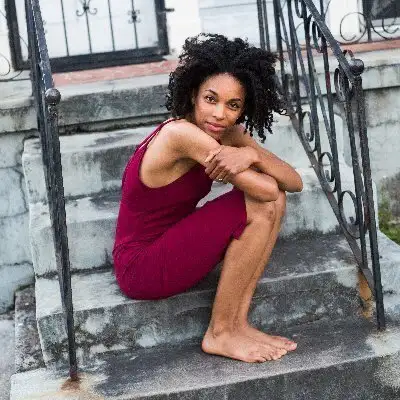
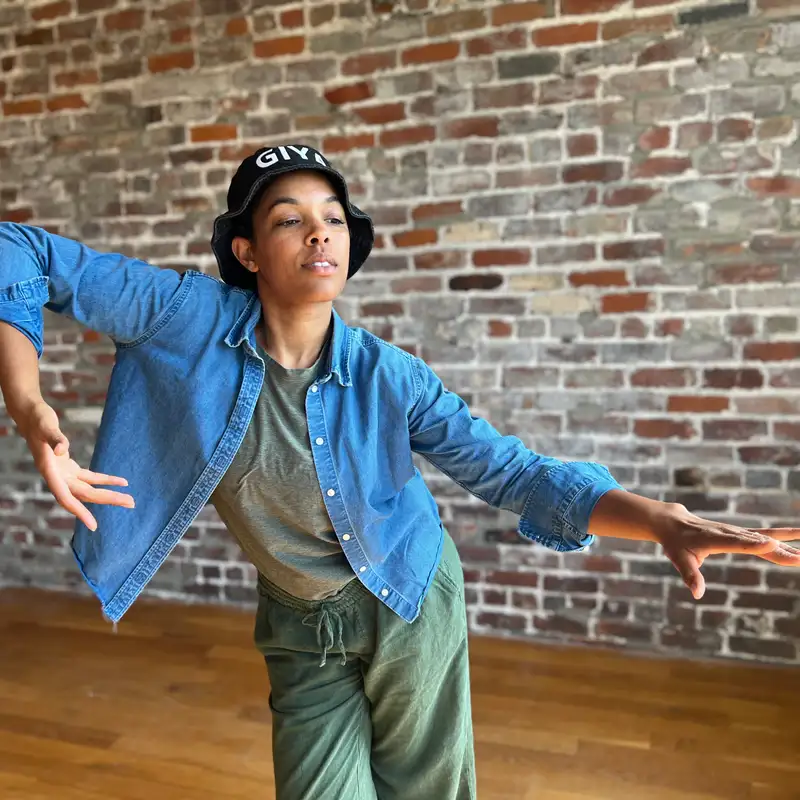
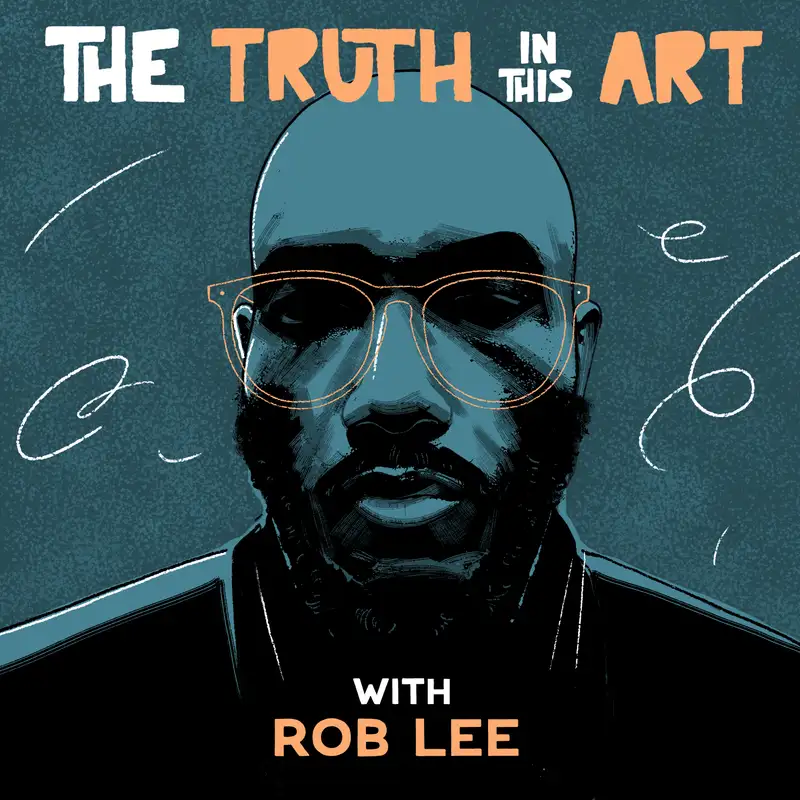
Download MP3Rob Lee: Welcome to the Truth in this Art, your source of conversations connecting arts, culture, and community. These are stories that matter, and I am your host, Rob Lee. Accept no substitutes. Today I'm excited to be speaking again with an award winning choreographer and community builder who creates space for connection both on stage and online. Her acclaimed choreography has been presented at the New York Jazz Choreography Project, 92nd Street Y, and more. She's held performing arts residencies at Contemporary Arts Center New Orleans, New Orleans Museum of Art, and many others. As a pioneer in the digital space, she's the founder of school.com slash dance, the original and largest multi-style dance community on the school platform. Joining me once again is Lauren Ashlee Messina. Welcome back to the Truth in this art.
Lauren Ashlee Messina: Thank you. Thank you for having me.
Rob Lee: Thank you for coming back. It's great to have you back for conversation. Um see how I seamlessly wanted right into it. Uh so for starters, could you reintroduce yourself, your work, bit of your background, anything for us to know in a sort of introductory piece because you're in the archives, but it's been a few years as we talked about um before we got started formally, but the floor is yours. Please reintroduce yourself.
Lauren Ashlee Messina: Oh, thank you. Yeah, it's been a few years. I'm thinking like, well, a lot has changed. Um but I'm Lauren Ashley Messina and I'm a dancer first foremost, choreographer, mom, married to an artist, and I live in New Orleans now and have been here for I would guess probably oh man, probably I think nine years or so. Um I still call myself a choreographer, a choreographed dances from time to time, uh site specific work.
I'll do a lot of outdoor work, and then I also facilitate an online community that has changed the topic through the years, but it's always been for dancers and connecting dancers to one another and to resources too.
Rob Lee: One hundred percent. That's that's great, and we're gonna talk about that a bit more because we have some catching up to do and you know, and in perhaps being a better interviewer than I was when we initially talked, although it was in person. Um, I I I looked up a few things. So correct me if I'm wrong. So you said it's been about nine years and you're originally from like Chicagoland, Illinois.
Lauren Ashlee Messina: Yeah, I'm originally from um originally from Illinois, but three hours south of Chicago in Springfield, Illinois. So not Chicago, but I'm from the Midwest.
Rob Lee: Okay, I mean it it it's something about the Midwest folk. There's a certain niceness that's there, like smack dab in the middle. Whenever I talk to someone from like Ohio or someone from like in that that spot, that sort of framework, it's just like, oh, you guys are nice. I saw this this map earlier today. It was just like mid Atlantic Northeast, Axe Mean is mean.
Lauren Ashlee Messina: South and it was just broken down. It basically it was just a shot to the mid Atlantic and Northeast of Looks Mean is mean. That's that's funny. Yeah, everybody's pretty nice out there.
I realized that when I moved to uh Mississippi for school, people were still friendly in the South, but when I moved to New York City, I was like, oh, the whole country is not like the Midwest or the South.
Rob Lee: Exactly. Exactly. Um and then it's like an attitude around it too. It's like it's great here. So it's like, yo, you told me the GYF a second ago. All right. Hey, hey. So um uh regionality aside, uh, let's talk a little bit about um inspiration and in part having like folks come back on, uh I look at it in some ways as a continued conversation. Maybe it's new conversation covering new ground and so on, but it's like in some ways filling in different gaps as perhaps a better interviewer being able to see things in a in a different perspective. So for you, let's talk about inspiration.
How do you get into a creative hit space these days? Like sometimes it can go dormant, sometimes it can feel like misplaced and so on. Uh I know when I take a bit of a break from recording or recording at the pace that I was, when you and I talked, I was on like a crazy pace. And now it's like a definitely a parsed down pace and I have to get in the mindset, and I find once I get the ball going, once I get the ball rolling, um, it's like a fitness or an activity. It's just like I have that momentum, and I'm like, all right, I'm gonna write a thousand questions, I'm gonna put this effort in, I'm gonna do the morning pages or what have you. So in for you terms of inspiration, how do you get into that headspace these days?
Lauren Ashlee Messina: Hmm, that's so good. I get into that headspace a lot by what I see from others, um, truly, like on social media. Friends of mine that I see online. I haven't been to many in person shows in a while. That's something I was just telling uh someone else that I want to get back to doing seeing live performances. Um I'm really inspired by nature, probably even more now than I was at the time that we spoke, but as a kid I was inspired a lot by nature. So yeah, I would say just seeing stuff that other people are making. I'm usually amazed if I can see something come across my feed that is art related, dance related, but it's just like I've never seen anything like that before, or I've never seen anyone do it that way. That always gets me thinking, like, oh, that's possible. It's pretty cool.
Rob Lee: I like that. Um I've I've had this tricky relationship with online recently just because of yeah, when you're around enough and you've seen things enough. I was there before the internet started, you know, that whole thing. And uh which you know, I think black people say it's like that's I don't know if that's true. But um you you see sort of the the differences. I see it in sort of podcasting, I see it in sort of content creation. I see this purposeful intent to create superficial, like vague but under the notion of virality. This has gone viral.
It's got engagement because it's n it's a typo in it or or whatever the thing is. So I'm very discerning where I'll spend my time at and because there's misinformation, but when I find that spot and usually it's like finding old videos or old interviews with like this old Bosquiat interview or this old interview with this artist, and they're sharing or doing a version of what I aspire to do that really gets me. And I'm like, all right, that's a question, that's a good insight right there.
How are people thinking? And I find I like to look maybe like if let's say if you're doing like a Google search or something, old Boolean joint, I'm like, I need to look between these dates. I need to look before anything modern, like, you know, I need to look twenty five years earlier because I don't have to worry about social media, changing it around.
And maybe if I find it through Instagram or something, but I just did this on Friday. I spent about an hour just scoring through old videos that I've saved and I'm like, hmm, that's a good insight there's a good question. And I'm like, Oh, this is who this person, you know, that that I did an interview reference. Let me look up more of their stuff and I just get like the juices flowing.
Lauren Ashlee Messina: That's cool. I feel like I can relate to that because some of the stuff that I see on social media I think I'm interested in it because some things that I see that are suggested for me, it's kinda like they're referencing things from when I was a kid. Like they're referencing like a a lot of early nineties stuff. Which for me I'm like, oh, that feels really good.
Like that feels like how the internet used to be. Um so I think yeah. Uh I do love how you save stuff from decades ago though. That's kinda interesting. Like I don't even know where you save it on drive.
Rob Lee: I'll I'll um I'll tab it, I'll find different resources like um I think some of the videos are older that have been repurposed for like um Instagram and I'll like save those in a specific file.
Like creative questions is uh tab that I have, or I'll go to the way back machine or um Internet Archive, and I'm like, yeah, um, as we're recording this, I I just um watched uh Downtown 81, which is um it was a m it was a film like fictional joint about Bosquiat and sort of m in 1981 and being like a starv starving artist in Manhattan and it was cobbled together. It didn't get released until 2000. He'd been dead for years. And it's just like they toppled this thing together. It wasn't what it was originally written to be. It is kinda like out there and experimental in a way, but I'm like this aesthetic I like, and this is something that's alien, but you can see cracks and remnants of it when you go to this place and it's like I want to go back in some ways to to that time and you can only find that in the past because I think things are so sanitized. It's it's time traveling away. Which sounds really nerdy and really geeky. Um I'll go into a whole geeky tangent. And um but yeah, and and I've seen a few of your your your posts as well. I think it was some uh maybe a Halloween party or c a couple years ago and I was like, Is that a Nickelodeon reference right there? What do we got?
Lauren Ashlee Messina: Yeah, I I don't know. I I definitely like yeah, I definitely like I think as I get older I will continue to like things that are from the past. There's just something about it, like and yeah, hearing conversations that I didn't hear before, you know, growing up hearing from artists and stuff that I wasn't paying attention to that from that at the time and now it's like, oh that's really interesting. What are they talking about? That was so like, I don't know, original.
Rob Lee: And and I think the other thing about it, it makes me think of this, which I kinda sound gauge and full of ego, but it makes me think of this and sort of the intention that goes with it. And perhaps and someone told me this um interview I did it's just like when someone looks you up, they'll see this interview. It this will serve as that in the future for the next person that wants to see what is this choreographer dancer first. Was this choreographer think about this or what's this insight here and so on.
And what's this like chuckle hit with a microphone asking people and I think it's it's a certain responsibility that goes with that of kind of capturing things and documenting things at the time and being able to just have the real authentic the pure, you know. Hmm.
Lauren Ashlee Messina: I did not think of that, yeah.
Rob Lee: So I so going back into the past, right? This is this is something where this next question goes. There's always some like early creative thing we do. For me it was painting and drawing. I used to draw comic books back in the day. And I wouldn't necessarily call it a talent.
I think it was play. I was just like I'm just having fun doing this. I was like hmm, gotta finish this test, I'm gonna get in trouble. So we w loved these things growing up, but it wasn't until much later when I realized that maybe something that I thought I have a talent in. I looked at that as play but I think that this is maybe a talent during interviews and podcasting. So how do you define from your perspective and what your interests are and where your interests lie, how do you define like creative talent and when did you realize that you were talented. Hmm.
Lauren Ashlee Messina: Oh interesting. Um I personally feel like everyone has some sort of talent and everyone has some sort of creativity even if they don't understand it or haven't experienced it. Um I the first I guess creative thing that I remember would be my dance classes, but before that I was making stuff like little art things, little like pencil people and stuff I might have mentioned before, decorating stuff. Um those are some of my earliest memories and yeah I think I'm gonna go away from the question. What what was the question?
Rob Lee: No yeah so I I'm sometimes I'm long witted and people are like what the hell you talk about? Um it it's sort of this thing where perhaps you you have like an e uh something that you're interested in creatively but you're like this is just play. This is not necessarily something I'm gonna go to school for or something that I want to like blow up and but thinking about it from the perspective and you you touched on dance and that's a big piece of your creative story. I guess when did you how did you discern that as being a creative talent and not like play and then w you know how do you define creative talent? You said that you think like everyone has it.
Lauren Ashlee Messina: Hmm that makes sense. Yeah I I think having been in dance like from a pretty young age I think my relationship with like what is creative play and what is talent or what is something good at I think I'm actually just kind of discovering that and understanding that more because I really was in dance for like years and then went to college for dance and then went to grad school for dance. So it's always been dance and that's always been artistic but like the other components of like how are what are other ways that I'm creative and what are other ways that I live my life as a creative person.
That's what I'm starting I think to notice more. Um because everybody growing up and s would probably consider me a creative person and me too but it's always been like kind of tied to like education or part of a job and stuff too. So now writing is one that I I'm like I used to write a lot. I'm looking over I have a notebook from when I was a kid. It's got like a bunch of papers and stuff of old poems and things like that.
Yeah. Uh so that is something that I just got these like thirty probably like twenty, thirty notebooks off Facebook marketplace that someone had empty notebooks and I looked and I saw 'em and they're all like just nice natural colors and empty and I got 'em and I'm like, what are you gonna do with that? 'Cause I collect journals it seems like I always say I'm gonna write but I don't. Well I got these journals off Facebook Marketplace and then I was just in my feelings the other day and I just started writing again. And I think that's something that I will probably come back to like to just pour into. You mentioned morning pages at one point, I don't know if it was before we started talking, but like I think getting back to just writing and getting stuff out of my head and on paper is something that I want to try now I think. Um but yeah I really do think for me everybody has an opportunity to be creative. When I notice maybe like as a student or something, if I notice a student is talented, then for me it's always in relationship to like my understanding of like what the standard is. So I think it's pretty subjective. Sure. Um I'm
sure that like maybe in other areas of art and stuff, there's I don't know, it's all pretty subjective really, but especially with like dance, if it's not ballet and there's no like specific um markers to the technique or other styles that have specific markers to gauge like you're doing this well or you're doing this poorly. I'm just like there's an opportunity for everyone to be creative and a lot of people are talented but they don't consider themselves talented. They don't really consider like they don't notice, oh I can do that better than the average person, or I'm really skilled at that, so I don't usually like to label, I just like to show people hey you might not have noticed this about yourself, but that's pretty rare. Right, right.
Rob Lee: It's I I and I think uh one of the things that comes up as I think about this is Even when I was really into it, I have paintings in my my studio and stuff that I've done. I was like, Man, I remember drawing was everything and I'm being a next great comic artist and I had the opportunity to go to an art school and it was just like you do the whole entry test and all of this, and it's just like eh not good enough. Killed it. Immediately killed it, and I revisited it 'cause it's still there, you know. But with this, I don't care what anyone has to say And it's like I would have keep doing it and I just have that drive and that desire to do it and it's just something about it and to comment on I think how how how you were answering the question, I just think like you got it earlier, you know, as far as the dance part and then finding these other things that you're good at as you taught you touched on with writing, like coming to that from a different perspective, but it's the phantom limb piece. It's just like I'm returning to something I was already doing but with a different mindset with the different level of maturity. Yeah.
Lauren Ashlee Messina: That's different. Okay. Yeah, yeah. I'll take it to you.
Rob Lee: I just I'm I'm just ripping off Austin Cleon, it's fine.
Lauren Ashlee Messina: Uh I just two of those books, those little um what is that?
Rob Lee: Show you show your uh Show your work, feel like an artist, show your work, yeah. I think it's another one that came out recently. It's like don't call it art. It's play. I'm like, I hear ya.
Lauren Ashlee Messina: Oh, okay, I have to read that one. I haven't read that one.
Rob Lee: I was very close to interviewing him when I went to Austin um probably the year before you and I did the interview. I was in Austin. I think I saw him at some barbecue thing and I was like, Austin Queon, hey man. And it it never
came to fruition because he was working on a book that just came out. Um So I was just like, hmm. but uh yeah, it's I I think those are those insights though. And it gives you
sort of maybe uh a jumping off point to have a conversation with someone. Hey man, how do you approach creativity? How do you approach art? When did you realize you had some talent? Well, I've never thought about it that way. I've always been talented. It's like that's kind of how you answered it by the way. I'm kidding.
Lauren Ashlee Messina: I've always been talented, never lost. Okay. I'm kidding.
Lauren Ashlee Messina: Now that Now that you say it it does sound No, it doesn't.
Rob Lee: It's it sounds like it was a very I'm like... But yeah, okay, that's interesting. I don't think I ever though considered myself talented. But yeah, looking back I do feel like I was doing the thing, doing the creative thing. Yeah. But no, I
never thought like I really didn't have a ton of things to compare to. Um because like I was homeschooled. So I think some of the things some of the re ways that we compare ourselves, like in terms of talent is just by where we're in school and stuff, and other people that were around at that age. For me, I wasn't around a ton of other people except the ones I was at dance with and we're all on the same level and stuff. Yeah.
Rob Lee: So so this is a question I'm curious about. Since since I have you on here as a dancer, I'm very curious about this, and this is sort of a shout out to my partner who dancer as well. And uh so dance asks something of the body that other art forms kind of don't. It's like I need you to be flexible, I need you to be limber, I need you to just really like look, I've watched Black Swan for context. It's a specific scene I'm thinking of. I was like, ooh.
Lauren Ashlee Messina: I think yeah, I know the one you're talking about, 'cause that's all the only scene I remember from that movie.
Rob Lee: But what has your body taught you as a dancer and is it as a choreographer coming from that perspective as well for like other people like, oh, this is gonna be taxing to the body? I think when it comes to performance, people don't think of the physicality that goes into it. Like I've asked people who are actors and stage plays. How f how do you make sure that you're limber when you have to do this physical movement on the stage every night and every night. So what is your body taught you as far as about the art of dance and from the choreography standpoint and from the performance standpoint that your mind hasn't like, hey I I understand this, but my body is like, you sure today? You sure about your knees right now or whatever the case is Mm-hmm. Mm-hmm. something that my body has taught me.
Lauren Ashlee Messina: Yeah. Okay. Yeah. Hmm I I don't know. I'm always amazed though, um coming back to movement, like how natural it feels. I'm always surprised, like I'm very surprised. It could be months that I haven't danced or it could be months, weeks that I haven't performed or felt like I was in that stage. Um and I come back and it just feels like normal. See but certain things might feel a little maybe rusty or like I've got a warm up differently now than I probably did when I was nine. Um with the warming up at all is just jumping into class. But I am really surprised a lot by like how much I feel like it may be cheesy but people say like your body remembers things especially with dance um there's something about learning choreography that you might not remember the steps at least for me when I would go on stage but I would take a minute, I might have to ask a friend what's the first step? Yeah. And after that say,
Oh we're going this way. My I I might not remember in my brain the movements at all, but uh my body would remember like this is what happens next and this is where we're going. So I think there's sort
of like um I think there's sort of a reliability and like insurance that I can have with my body that I will be carried through even if my brain and this part of me is like, What's going on? Where are we? What's happening? Um and then yeah, like even just certain songs and things, like especially now like a lot of music is just I'm hearing songs like I said on social media that are being recycled from a certain time in my life and a lot of those songs have dances attached to 'em, whether they were dances I performed in high school or college or whatever. And so even just like moving with music that I know brings a lot of memories that are attached to this part of me. Which is interesting.
Rob Lee: I love that. I think, You know, often folks are not really thinking about that. It's just like someone is doing this repetition. Someone is really putting their body into it and I run into it very rarely but I'll have like a throat thing and it's like I can't record today and it's just like my questions are good, but this tool if you will, I can't use it or if it is a thing where you know like there's some instances where I've done six interviews in a day and it's just like I'm not screaming or anything, but it it's a taxing thing sometimes and let that be after I've gone to a great concert. Woo this is amazing. It's like
and I can't auto tune myself. I can't say like all right AI, make me sound normal. So I and and you you touched on sort of maybe preparing differently than when you were a kid, which is hilarious by the way. It's like I'm not nine anymore, I gotta stretch for a few minutes, gotta warm up. So there are some times, especially when it gets to the um really seasonal like allergy sort of season, I now have to consider like you should drink some tea. You should do something to get this ready because it is your your instrument and it's part of the physicality. It's part of the body. So
I said to think about that differently and I think just folks that aren't doing it aren't in the know, they're not gonna have that context of oh yeah you should just be here to get on or you're always stretched out and ready to go and you can still hit these angles and do all of these these sort of different things. And I think one of the things in in teaching right that I've been aware of is like how's everyone doing? How's the how's the mind working? Are you are you guys ready and prepared and giving them this context from my my students of pacing it like take a breath when you're talking. You know people get super excited. Mm-hmm and then it's just we're not hearing anything that you're saying. You're just blurting out syllables.
Lauren Ashlee Messina: And those are just different elements and considerations and making that creative thing that I think enough people don't like talk about I guess. Yeah. When you say it like that, I think I'm seeing it now because I mentioned our child is five and I was just thinking the other day like a lot of the stuff that she understands about dance she picked up from me but we didn't ever really talk about it. It was just from her being around when it happened and kind of seeing that and so those things that you mentioned about like your voice and about warming up and even with the students, there's little things like that that she's picked up that I whenever we do like a dance around our house she will always try and come out of a curtain of some kind or come out from behind the door. And she thinks that's like a part of every dance. Every dance has to start with
an entrance like that. And I just think it's really it's it's really cool because um yeah she's just learning these things that are kinda like I guess I would take it for granted like that this is a part of what dance is or this is a part of what my creative practice is. Um and she'll sometimes be like if we're if we're doing a video or like she'll participate in an online class with me sometimes. And people can't hear her on the other side, thankfully like the instructor kid here, but she will say is this the dancing yet? Are we doing the dancing yet? Or are we still warming up?
So she's just figuring out like I'm and I tell her, I'm like, it's all the dancing. And she's like feels like the warm-up is just the warm-up so yeah there's I guess there are certain things that it's just like they just feel kind of mm I d you d we we wouldn't notice that like you wouldn't notice until you need it that you need the tea to warm your warm warm yourself up for the thing but
Rob Lee: Yeah I I I was thinking about this um as I'm interviewing a um a uh an actor that I talked to a little while ago in a different production and I'd asked her and the lead up for that production I was like your role is very physical and I I told her the reason it came up is because I saw um uh Denzel Washington in um what is it Othello and I was like you're in your seventies you're doing push ups on stage you're doing all these different things. I was like this is very physical and I was like did you stretch? What did you do? How do
you keep yourself warm bro I was like I go to the gym and I'm like I don't stretch nearly enough so I'm asking you know this this actress and she was like oh between scenes I'm doing push ups she was like I'm going dips and trying to keep myself like ready and I'm just seeing a performance and I'm not even considering that. I'm like, oh yeah she's just completely warm and ready to go with the with the wardrobe on and the lights and all of this and she's just like no there's work that goes in. I gotta keep myself loose and I was like that's good context. Mm-hmm. Yeah.
Lauren Ashlee Messina: I think there's so many things like that like for creatives and stuff that I when I when I see it I realize oh like they don't just jump out and do that. But it it really does remind me just like of people in general like how little I know about another person until I really know like what it takes to live their life and what what steps they take to get to where they're at. It's like well we really know so little. Right.
Rob Lee: And then so I have like one last question in this sort of territory and I'm gonna move into we're gonna talk about school in a moment. But y you you were talking about your your your daughter a moment ago and sort of you know kinda like getting those observational those those habits of this I'm curious for you, right? What habits have you picked up over the years from other artists you've met or you've worked with that you've adopted it's like hmm I do this. And I remember when I started doing this. This particular dancer did it and now I do it. So yeah that's that's a really interesting insight you know especially if like you know I never would check my mics now I'm like oof I gotta check my mic. I had a bad experience and this person said you need to check your mic a couple of times before you get going. Now it's a part of my process. Yeah.
Lauren Ashlee Messina: Oh that's fun. Um I I don't know, I think the first thing that comes to mind is kinda simple but uh certain people have been around through different years like they wear different things when they warm up and I always thought like okay that feels like when I wear that it feels like I'm a dancer. So there's certain things that sometimes I wear and um for me it's not like a Leotor Leotard and Titan necessarily anymore but there's certain things like there's a certain silhouette that I I like to or certain materials that I like to feel when I'm getting ready to like warm up. Um and I I would say that that's probably from certain dances that I've noticed that I'm like picking up on uh what it is that they're wearing but also a few on their body language. There's just some dances that I've been around that when they walk into a room they're not I don't think doing it intentionally but there's just something about the way that they carry themselves in a room where I definitely notice when I'm moving in that way and I'll think like it might not be my character but I might take take on that from someone else for a moment those things first I think come to mind Probably not too not too much else I can think of. I'm sure there's a lot of stuff though.
Rob Lee: That's it's good. It's good. And I have I have the same thing. I remember when I was trying to feel my way through like I gotta go to these events. Did creative people wear. Oh that we're hard. Let me
put that on and I'm just like faking it 'cause I don't know what I'm doing until I feel realize like okay I'm gonna keep this piece, I'm gonna keep this approach, this other stuff doesn't really feel like me. And I think it's developing a voice in that way. I think that's an important. I think so too. So since we last talked, you you've you founded your slice of school, school slash dance, school.com slash dance. Let's talk about that a little bit.
What was the process behind founding it and sort of why now? Which is it it it's always like the the major question, like the why, but also the why now as far as as far as the current climate of how everything works. Right.
Lauren Ashlee Messina: Yeah, it's funny, I think back at that time I think I was interested in making something. Uh if I'm not mistaken, I was playing around with the idea of something called my free dance class, I'm pretty sure. Either afterward or before but um I started with doing some in person classes and the idea was to have guests come and teach at a studio and dancers come to a studio they hadn't been at with new guest artists and things. But it's interesting, like all of that stuff I think really was just tied around connecting dancers to one another and to really resources. And um in grad school I looked back and I I don't know if I mentioned this before, but in grad school I had an idea that I wanted to make an app to connect other dancers that were in graduate programs because I felt like there were a lot of dancers in graduate programs, but I only knew the ones that were in my uh program and I connected with some at like conferences and things like that that where I would meet other people, or maybe on social media if I just searched specifically like for graduate dancers, but I didn't see a lot of like hubs, like networks and things. So I had I thought it would be such a cool idea at that time. So I I think that that idea of like bringing people together with something that has stuck with me. I happened to find school, the platform an online platform, and really just started playing around with it and it it's funny, but it connected a lot of the dots for me for being able to bring dances into a space together and meet people from different parts of the world that I hadn't met before. Yeah. So it's taken a lot of
different forms um and shifted a lot as I've shifted and changed, but it's cool to have one place online that I feel like I can experiment with and now also build something that I will keep doing for a long time. It makes sense.
Rob Lee: And it and it and also speaks to like I think two things. It speaks to this notion of you know, you said like this was an observation you had in grad school, like, uh, that'd be nice to have this. And then sort of the the the time right now, I guess, as far as like the online piece, it's just I guess a lot of people are socializing and meaning through like social media and things of that nature, and people are pushing this idea of community, but community somehow lost in it. But then having something that's very bespoke and geared to it, it's like, hey, uh fellow dancers and fellow dance people, let's chat, let's connect, and because it could feel like siloed, it could feel disconnected and sort of repurposed, but building out something that it's rooted in, hey, I wish I was around other people that was doing something and you're sitting on this idea and returning to it, it's much like those those sort of journals, that journaling idea you were discussing earlier. It's like I had this idea.
Lauren Ashlee Messina: Yeah, it really is. And it's uh I just I didn't notice until I looked back at um some thing that I had written for an article during that time in grad school and I read it and it said connecting the graduate dance community. I was like, What? We're trying to do that? But now, yeah, and I had at one point thought like, oh, I can make an app to do this. It'd be so complex that I don't even know how to make an app. And then later I I tried on
another platform. I was thinking, I can make this with this my free dance class idea that I had. I thought I can make it where dancers are able to see different studios in our network that offering classes at like a reduced rates, or they're offering classes in exchange for or whatever. But again, it was just like I didn't have the tools, and then uh when I found school, I was like, oh, this is an interesting tool that I can actually just play around with, and it becomes kind of like a shell or a container for whatever I want to do, and then also whatever the people in it want to do.
Rob Lee: Sometimes m just finding it, like I think weirness what I like to call and what I've heard described as a idea economy. People don't have ideas, and when you do have ideas, and it's like now I just need to find the tools and the access to build this idea, bring it into fruition, and make it something that's packageable and useful for other folks and making connections, having collaboration, sharing resources, things that identify need, you know. Yes. That makes sense. And so when you you look at it like from where where we're at now and kind of looking and remarking back on the past, it was like I want it to feel like this. I want it to look like Black Planet, but with dancers, you know, like any he knows references working for you, Black Planet. But uh was there any particular sort of model or or format that you had in mind of I think this is how I want it to look, or was it sort of very open in how you want it to look, how you want it to operate, how you want folks to connect through it, because I think a lot of times when we're making something from scratch, you'll hear musicians say it. We we felt like we were doing songs from the Beatles, and then we eventually found our own voice. And and even this, you know, some of my early interviews, I'm like, this is a ripoff of this other talented person, and then eventually you find your own your own way. Was there any of sort of that and building out sort of the the different iterations along this path?
Lauren Ashlee Messina: Yeah, for sure. And still I feel like I'm I think continually on a journey to find my voice in this lane and this lane and this lane. Um so I yeah, I most definitely started some things with what I saw working for other people. And then sometimes I just didn't really care or pay attention to what was actually working, and I just tried my own thing. And now I feel like kind of the middle ground is like being able to pull together like this is a proven thing that's working in this ecosystem and this is the way I want to do it. So I can let go of the
stuff I don't need, I can keep the stuff I do need. But yeah, it's really shifted a lot 'cause before the a lot of the focus was on professional dancers or people who were dancing um yeah, more professionally and than recreationally. And now we have a great mix of people, but the idea or the main theme of the group has changed over the past like two and a half years or so since since I've been on that platform. But yeah. And it's also been cool too
to see like um there are a lot of different creators that are specifically on that platform. So and they're on other social media as well, but just to see like to have a place where I am going to to look and reference like this is what's working here, but also these are the people that are like they're doing it a little differently on this platform. What's what are they doing here? So it's just kind of neat to have a place that's like you know, um I I guess it'd be the same with like Instagram or YouTube where you see like, oh, this creator is they're doing well on YouTube, but they're not necessarily following like all of the steps that everyone's saying to do. They're doing it their way. And so it's been fun to play around with that a little bit.
Rob Lee: When I was preparing and doing the research for it, just with the the platform like uh overarching as far as school goes, I was listening to this podcast I really enjoy. It's a um sort of podcast more like philosophy. And he was like, Check out our uh community on school. I was like, I know someone with a school. I was just like, it's like open my ears because I've heard him mention it before and I kinda ignored it, and I was just like, Oh no, no, no, no. It's it's this is vetted. Maybe I will join the community and to find people like me.
Lauren Ashlee Messina: Well, it's funny because it's like with it having been like the platform's been around for a while, but uh with the way it's been moving the past couple of years, it's still like a lot of people feel like, is it real? Like is that a real platform? Or even
people I know um have mentioned like the way it it looks. People maybe of an earlier generation are mentioning like it looks so fun or so bright, or like, is that for kids? Um, but there's like surprisingly there's a lot of people on there that I I see them come across the like discovery feed that they have, I'm like, oh, so and so's on here, like we're with it. Like, wait a minute, you've been on here for like you've been on here for years, but it is cool to see like um in ads and things things online or in certain people I'll see their bio and it says school now, and before that wasn't the case. So now it's just it's very cool to see like it's just branching out a little bit more to different people. I love that. Um yeah.
Rob Lee: And um I have two more real questions here as far as far as this this portion of the pod goes, and you know, uh I I I think and because we're we're both I think in a similar spot where it's like I know this, I have this perspective, and I want to be able to share resources, knowledge, community, have those connections 'cause I have a meeting regarding the class that I teach and sort of how can we connect the alumni of this class in a big bad way is literally right? And I think y when we do something for so long and you you've you've been a curiog choreographer for a long time so that's obviously sitting there the sort of education piece. But I think at times we can develop blind spots. Um just based on the context that we're in.
Um there are certain types of podcasts that I don't do that or oh I know how to do this and I have to change the maybe the way I look at it if I'm teaching someone and it makes me a little bit more honest on how I'm going about it. Make sure you charge your microphones. Do you have the amount of storage that you need and things of that nature because I'm doing it and also I'm trying to show off too, but I'm doing it and also I'm teaching it so I have to make sure everything is in line. So how has you know school and just sort of your background in in in in educating choreography. How is that maybe shaped or maybe changed your context about your own creativity at this stage.
Lauren Ashlee Messina: Yeah, I like how you mentioned having to be that o that honesty piece I think. I've definitely seen, like, in some recent, like, searches online, I've seen some times where I'm looking for something or thinking, of course, I definitely don't think, like, you have an idea. I I'm I don't usually think if I have an idea that no one's ever had that idea. It's just like there's just so many ideas out there. Um but I do sometimes think I know something
or understand something or I have a unique perspective on something and then I'll do a little search online and I will see, oh there's a ton of resources on this. Right. And it's not like I was trying to opt a lot of the time it's not that I was trying to create a resource. I just had a thought and didn't have other humans I was in conversation with about that thought and I didn't know that like people were already talking about that or thinking about that somewhere else. And so when I come across stuff like that and I see oh that's what I was thinking but like it's just it's it's a we a weird feeling but it's also it's a cool feeling. Um and yeah being in the space like the online community space would be neat to just meet other people from different perspectives that have thoughts and ideas about the same struggles, same things that I might be trying to figure out myself and to hear their perspective. A lot of time it brings me back to like myself and a lot of the things that other people say it brings me back to like oh I I never looked at it that way and maybe I have the tools that I need and I don't have to go searching outside of myself. That's usually what it comes back to. There's like a lot of of solid like solidarity between people and a lot of um yeah just commun community communal aspects I guess.
Rob Lee: I think a lot of times we feel like we're by ourselves and I think when we're able to see that this exists or other people are looking for this you're like, oh I'm not crazy or oh this does exist and I can um find it like sometimes I'll have like a a thought or belief and I'm like, is there a name for this? And then I'll just like look it up and like oh apparently that is a thing. It's like I'm in a different level of the
class right now, you know what I mean? And um but just finding that in itself, finding that there is a resource out there or finding that there is a name for what the goal is it it's I don't know, it feels a a bit more maybe satisfying and it's also like I think one of the things I thought was really cool just when you're looking up something you're like, hmm, I wonder if how this is I wonder if this would help other people as well. That's just amazing because often it's we d we we we don't really spend that time on community. It's just like individual work at individualism. I did
this is by myself and it never happens that way. Um I I have this myself when I'm going through and doing research, especially when it's around class time. I I teach my class during the summer and I'm like, oh man, I wonder what my kids are gonna think about this. I'm like, ugh but also it's just like I'm trying to provide something that will help them along their path. Mm-hmm. Yeah.
Lauren Ashlee Messina: There's really something cool about that because we get it in like the learning environment when we have like group projects or conversations and ongoing things and some people get it when they're in like a certain space like in the physical world, like if they're in a community center or they're in a church or they're in a college or anything like that where they're with other people. But some people if you're not in any of those spaces then it's like we don't really have that experience of working together on things and it it just feels like like humans have always through time like work together on things. You know, making things happen, figuring things out and yeah, I certainly want more of that like online but also I've been really thinking about what the hybrid is of online and in person because I really do enjoy in person stuff as well. I miss a bit of that now.
Rob Lee: Yeah, we'll we'll we'll we'll get back to the end the the in person. I mean it's it's a thing. It's just like you want those real things. And I got one last question to go into, but we want those real things. Um and I think that they come back sometimes. Like most of these interviews have been remote, but the ones that are in person, like one of the reasons why I reached back out to you I was like we did an interview in person I had a had a good time. It was a welcome wagon in in New Orleans and um and when I do my interviews um somewhat locally whether Philadelphia or DC where I'm going outside of Baltimore, I I try to do those interviews in person because it's like let's really connect. Let's really build something that's here because at the
root of it I think we're humans. We all want that and if it's especially something that you also do, you're also a podcaster. You're also a dancer you get choreography too. We should talk you know yeah yeah that's a good point.
Lauren Ashlee Messina: We should make fun of each other's Leotars or whatever the thing is. I don't know what y'all do. I don't know what y'all dancers do. I don't know.
Lauren Ashlee Messina: You wear those you stupid You wear those I don't like those
Lauren Ashlee Messina: socks Yeah yeah
Rob Lee: so here's the last question the last like like real question. Um performance, collaboration and communities are themes within your work and we we we've touched on in this conversation so I wanna like go internal a little bit here. What role does sort of self belief, confidence and if we're keeping it a buck, attitude playing making and then sort of putting out work whether it be I think this community is going to be a hit, wait till they see this new part I got out here. Wait till they see this next video or wait until they see this next piece of choreography or what have you, I'm ready to blow some people's mind. What role does that belief and the confidence and that that attitude of I know this is good.
Lauren Ashlee Messina: Hmm I like that. I like that attitude I'm gonna I'm gonna pull on to that um I I think a lot of times through the years like it hasn't felt like that. Most things for me as a creative person haven't felt like that. But when they have that's felt really good to be able to go into something and and really believe in it and it work out and be well received that's just like golden. But um usually self belief and attitude for me
is just like taking actions over and over again over time and scaling over and over again over time and then doing it again and changing along the way um there's definitely been some of those moments where it feels like yeah the attitude is there. Those for me are really like a performance. If I have the opportunity to perform in front of a live audience like and dance, those are the moments where it feels like all right, I've got this it's it's gonna it's gonna be great. Other things that are not that performance piece uh sometimes takes a certain like practice for my brain to have that belief that I can do this because it's not really like second nature um yeah where I feel like performance sometimes is a little like this feels good. Like no matter what I can improvise and it's gonna be great. I mean even if it doesn't look great like it's at least for me like even if sometimes I would be worried about what how it looks but other times I would just be worried about how it felt for me. Um There's an attitude right there.
Rob Lee: I care about what this feels for me.
Lauren Ashlee Messina: Right. It might be to the same other audience but yeah but other artistic things yeah the self belief piece comes for me having done it over and over again and then when there's that moment of failure or that moment of yeah it didn't really work out if I do it again. Um it doesn't have to work out again but if I'm able to get past that block that usually feels like right it's not really about what happens on the other side. It's really just about me. So if I'm able to just keep pushing through like that then that feels good.
Rob Lee: That makes sense. Um yeah I get a little bit of that because it's happen it happens so inconsistently um doing the stage and doing the in person thing I look at if I do the interview into a lesser degree like doing interview doing any interview is a bit of a performance but doing it in front of an audience. I'm not saying I'm being you know sort of fake or this is this is me, but I'm not acting or anything along those lines but there is a performance piece you're gesticulating, you're showing you're not just monotone asking questions um and you're you're engaged in the conversation but I find that when it's on stage and you you touch on the repetition of it, getting those reps in and doing it over and over again I find that yeah that same sort of hmm this didn't go as well because I'm a bit of a perfectionist I've learned and when I do it on stage it's because I had so few attempts at doing it it has that much more weight but as soon as I've done it it's like actually it turned out pretty good and I'm trying to shape my perspective of you s you did it. It wasn't perfect. Nothing's perfect but you did it and the next time it's gonna be even better, but it's also that question of when is the next time.
Lauren Ashlee Messina: Yes, that's true. Oh yeah. And the space between is kind of like hard to see the progress when it's kind of like starting over every time.
Rob Lee: Yeah it's like oh wow that was six months ago. Mm I lo forgot everything I was doing. What do I who am I?
Lauren Ashlee Messina: Yeah, I definitely feel that for sure. I think that um in this stage of the frequency of when I perform or when I choreograph something I think pulling in different ways that I can do that like uh being outside and going dancing and creating something that I do more than once I think pulling more of that stuff in for me would be helpful for that. The frequency of it is it is hard sometimes when it's like a lot of space in between and you don't really see the progress of how it felt last time because I used to journal in college. Like they would have you journal about certain things during class like take notes. Something like that would be great. Like if I
journaled after a performance or after whatever but I don't do that. I just like and so pretty much every time it's fresh, at least now it's it's yeah I think the la last time I performed was a couple of months ago um and I feel like yeah if I had a performance again for me to look back and compare I don't usually do that. I just kinda in the moment these days.
Rob Lee: I I think the I think the game tape or the the notes around it I I think I'm gonna start doing that um for my for myself because I I think there's something there. I think it puts you back in that mindset and it's almost like reliving it perhaps and because I've been on a stage much less than you and we're in front of people much less than you. You at least have a cache to work with as a performer and as a person seeing it from multiple angles. I know computer screens. That's what I know. I'm like, hey how's it
going camera? You know so but yeah I think it's worthwhile for for anyone that runs into that and has this sort of infrequent thing to really like capture it to just use that as part of that part of that mindset. Not to live in it too long but part
of that mindset. I'm going to call Um I'm gonna call this the cabbage patch portion. I don't know how to dance so I just pulled out the first thing that popped in my head.
Lauren Ashlee Messina: Okay I wondered if you were t that's what you're talking about.
Rob Lee: It's ridiculous. I'm sorry I don't know dance. You gotta forgive me let alone real dance not like this is the TikTok dance portion of the podcast. That's better.
Lauren Ashlee Messina: Oh no So here's the first one. Here's the first we don't overthink these it's just whatever's the first thing that comes to mind. Um there's the first question. What is the most
useful piece of advice you've received? The first one that comes to mind um I think I was a pretty new I'm still a new mom or kid five, but she was younger or maybe you're not even born and um someone I look up to and admire in our community mentioned something to me when I was thinking about quitting a job that I was working at And um she mentioned to me that she sometimes thinks about would she allow someone to treat her child in the way that she was being treated. And she said no, she would quickly like tell her child, hey that's not a good environment for you to be in or that's not the way that people should be taking care of you. And when she said that I was like oh that's right because I hear people sometimes say things about like um you know thinking about ourselves the way we think about a friend or whatever. But for me that advice was like really fresh 'cause it was like this is a new little child. No, I would never oh you should apply that to yourself. That was really helpful for me. It's good.
Rob Lee: It it it it's it's one of those things that it reminds you of like hey your your personhood and the person that you're most love and most response like this is precious. Yeah to treat yourself with that degree of preciousness. Um that's that's probably good I'm glad you got that
piece of advice. Um song or performance because choreographer dancer so I gotta put that part in there. Song or performance that cheers you up you talk about being in your feelings a little bit earlier um recently and maybe you know there's always something you know it's like hmm this song really puts a smile on my face 'cause it's so goofy or I have this particular memory around it. But what's a song or performance like all right all right.
Lauren Ashlee Messina: Yeah, I'd say I'll say there's certain types of music and I really don't have like a strong knowledge of music. Um there's certain types of music. I'm not even gonna name like a particular song, but there's certain types of music that feel very like they just feel kinda like sparkly. They feel like sparkles, they feel like you would be wearing sparkles, they feel like the sun would be shining. Um there's a few songs like that that I'll remember from college. I don't even want to name them because but um there's
a couple songs that I feel like David Bowie has some songs like that. I feel like share. I used to like share growing up as a kid. Um I feel like Stevie Wonder, my dad used to l
listen to a lot of Steve Wonder and there's some songs that feel like just really happy and upbeat and just like the world is like different than it actually is in reality right now. So if there's something like that, um this can get me out of maybe even like take me back to another decade or another and that feels good.
Rob Lee: Time travel. We were talking about time travel earlier, using music as the the linchpin for it. All right. This one is a little involved, but I know you have a quick answer for it and then we're going to page advice and we'll be wrapped. Um all right, here's the scenario because we like hypotheticals here. You wake up tomorrow as a superhero. What would your power be? Describe your costume, go.
Lauren Ashlee Messina: Superhero. Uh okay. I think I've been seeing some people wearing capes lately. I would have a cape. And definitely have a cake for sure. Um I think I would probably have like a full body suit. That would be like a one piece suit or some kind
of cake. And then power I can't say time travel, but I kinda wanna say time travel might be yeah, it might be time travel or just being able to like jump through a window or a wall, go somewhere else, like and be back really fast, like while my child's still asleep.
Rob Lee: See, I like this this is like I was hearing like nightcrawler from the X Men, like Kitty Pride, it's like I could jump as well as a teleport, but then you're wearing a cape and effectively a leader.
Lauren Ashlee Messina: I'm on brand Where are my point shoes? I did like Storm growing up, but maybe something like Storm's costume, but not Storm's power from the X-Men. Okay.
Rob Lee: I like this. I like this. See that that works. That's the first time I've tried that question out, and I like the way the order of it. It's like first I gotta make sure my fit is on point. Now to the power, but the fit has to be right.
I like that. All right. Here's here's the last the phase like advice questions to reset
if you go back into it. Um so that's a flattening and an undervaluing of of art being made. Um I see it online all the time, the sort of digital artist conversation, AI can replace it and all of that different stuff. We're told that anyone can make art and I found that performance, especially dance is left out of those conversations around art a lot of the time. And it's because it can't be replicated in my opinion. It's like, oh, be a great dancer. You're not doing that
tech CEO. That's not happening. So but it is a financial thing that's real there. We always had that starving artist, and when folks who are doing something artistic are left out of the artistic conversation, it gets real muddy. What are some of the financial realities of dance in 2026 that just from your vantage point that just your average person wouldn't get? Like you we were talking earlier about maybe the physicality of performance. People don't know what's happening behind that stage or what goes into a particular performance. But what are the financial realities, sort of the real talk of it all?
Lauren Ashlee Messina: Well, for students or people who are beginners, I hear a lot of classes sometimes just not being accessible, whether it's like you need to take a certain number of classes to feel really good and strong technically and that might be too expensive or might not be in a person's area. Um they might have to travel. So there's just like a
lot of sacrifice that goes into that. That jumping from a beginner to a not not being a beginner anymore. Uh for other people just I think it's always a sacrifice of just like performances. If you are an artist that performs, a dancer that performs, um sometimes those things can happen like and you take off work at that time. Um but you want to prioritize your dancing and a lot of times people are doing multiple jobs as dancers. Um a lot of times people are yeah, juggling a lot
of different gigs at one time and having to sacrifice like being able to rest or having to sacrifice spending time with people on the weekend if they have gigs on the weekend or if they're up late at night. There's like a lot of different different uh different things that that people sacrifice to be a dancer, but I think like I think there's more of a broadening about like who gets to be a dancer and how they get to be a dancer and what being a dancer even looks like now. So I think there is a lot more space to be a dancer in a way that fits into your life. Um and what my hope is is that more people who want to be a dancer will know that it's not necessarily like you have to be in class every day, you have to be learning from like a teacher who's a dictator, you have to make it into this competition. I think there's a lot more like uh healthy ways for people to get on that path. Um But the sacrifice, yeah, it's always there. The the financial piece, the energy, time, commitment.
Rob Lee: There's so many costs there, I think that just people don't get until they're either doing it and they decide to pursue it. Um it's too much of the online piece and I I
see it in podcasting all the time of hey man, podcast should be free, even though it's a billion dollar industry and it's some of the some of the things that happen is like uh you guys have a budget, but somehow podcasts are free and I think unless people are talking about it, and people get really weird of talking about money and sort of what actually goes into it, the hard pieces of it, because it's all supposed to be fun and um and it is, but also it is people putting their life, their time, and these sacrifices that go into it. So I I thank you for sharing that uh the context. And I thank you also for coming back on this podcast. We got it. We made it happen. So um there's there's uh two things
I want to do. Again, thank you for spending some time with me today and catching up. Really think this is um a fun, insightful conversation, a nice um addition to our first one. And um secondly, I'm gonna invite and encourage you to share with the listeners any final thoughts, notes, website, all of that good stuff, social media, all that good stuff. The floor is yours.
Lauren Ashlee Messina: Thank you. Um as you mentioned something, I don't want to go without saying when you asked about like the things that people put into being this in this dance life and stuff. I think sometimes we automatically go towards like the student and the class person. But I do want to say like for people who are maybe in a season where they'd given their whole life to dance and now they're wanting to do something different or they're wanting to retire or they have a family. I think there's some something about what they've given that they haven't gotten back in exchange that is also valuable. So I don't I don't want to miss out on saying like there's a lot that students put into it, but there's also something about the people that have given their whole life to this and they haven't really received like what they were due, whether that was money, whether that was the dream that they thought they had or anything like that. Um so yeah, there are a lot of dancers that are
experiencing that feeling as well. For people who are listening, um, thank you for having me here, Rob. Um I love this space that you cultivated. It feels like it just feels very safe to share stuff
and yeah, for your audience. I am at school.com forward slash dance. I'm on Instagram. My name Lauren Ashley with two E's Messina on YouTube, the same Lauren Ashley Messina. And yeah, I'm not doing any anything any events coming up or anything like that. We have uh a pelvic floor therapist coming to our group tonight in like uh forty-five minutes, so I'm probably gonna get off to do that, but other than that, people can find me on social social media.
Rob Lee: And there you have it, folks. I want to again thank Lauren Ashley Messina for coming back on to the truth in this art, catching up with us, telling us about her project with uh school slash dance and much more on the happenings. We we haven't talked in a number of years. So again, I want to thank uh Lauren for coming back on to the truth in this art and for Lauren. I'm saying that there's art, culture, and community in and around your neck of the woods. You just have to look for it.
Creators and Guests