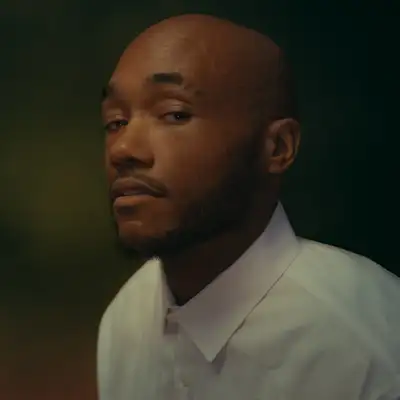
Louis-Antoine Gilbert Interview: French-American Painter on Cubism, Moebius & Art Deco
Download MP3Rob Lee: Welcome to The Truth in His Art, your source for conversations connecting art, culture, and community. These are stories that matter, and I am your host, Rob Lee, except no substitutes. Today, and thrilled to welcome my next guest on to the program, a visual artist known for his acrylic on canvas works that create the illusion of depth whose paintings frequently feature emcee, Escher-like cityscapes employing unexpected color combinations to construct intricate visual mazes and portals into imagined worlds. So joining me today is Louis Antoine, Gilbert Welcome to The Truth in His Art.
Louis-Antoine Gilbert: Thank you so much. I'm so happy to be here. Love the show.
Rob Lee: Thank you. Thank you. That's a person. People lead off with it. That's great. It's always pretty tight to have someone who listens and who enjoys, and it's great to hear that. I like to start off these conversations because we were having a fun conversation before I got into the formal conversation. So for those who are unfamiliar and undiped, could you introduce yourself in your own words? That's however you want to do it. And describe your work. Really, really simple. So to introductory stuff right there. All right.
Louis-Antoine Gilbert: So super short version. I am a painter. A little less short. I'm a painter, and at the moment I focus on painting mostly colorful, acrylic paintings of servile, cubist-inspired cityscapes. So that's my obsession right now. And a little bit less short, and my work borrows mostly from modernist architecture, art deco, and brutalism, among many other influences, of course.
Rob Lee: I like it. I like it. And definitely we're going to dive much more into it, but I'd like to give that taste, that sort of introductory, that one-bite intro. That might be since we talked about food. That might be how I describe it.
The one-bite intro. So artist, painter, could you share with us your earliest memory of wanting to do this, wanting to be an artist? Usually it's exposure. Usually it's just some sort of curiosity or something. But what was that early experience that comes to mind when you, like, hey, I want to be an artist?
Louis-Antoine Gilbert: Oh, I like that you've divided it into two. What made you want to do to be a painter? And because before that came the artist part. And I like to tell people that I didn't go to the art. I was brought to the art. I grew up in Paris, and my parents were very art positive people.
Big lovers of the art. Not, they didn't practice. They weren't super artistic. They were busy working parents. But they always made sure to bring us to all of the expositions, all the free concerts, and France, socialist country, a lot of free entertainment, a lot of free cultural.
They make sure that the arts are funded in general. We could talk about whether that's still the case now, but at the time for sure. And so my first time I wanted to be an artist, I think it was something, I was in a public building. I was really young, so young. Maybe fore-end, I saw an orchestra play. And that was my first time experiencing live music. And even at that age, I remember I was like, okay, okay, this is it. This is the thing.
This is the thing. I want to express things. I feel things, and I want to express them too. And later as we visited museums, and I just saw more visual art as well, I was like, I want to do this too.
All of it. So, yeah, super early, maybe four or five, just being brought around museums. And I had younger siblings, and it's just, you know, I'm the oldest. And it was just being brought around. My parents were like, this is free. This is what we're going to do this weekend. We're going to go through all the museums.
Rob Lee: And yeah, that was it. Wow. So, the painter piece, how did that come about? Like, you know, I started off like wanting to be a comic book artist. That was the area I was in. And I was just drawing all of my stuff. I was just like one of those compulsive doodlers, right? And then it was just like, I think I should compile these together and put together, which was ultimately a pastiche of the X-Men. And I was like, yeah, savages. It's like the X-Men meets Wildcats. It's like, isn't Wildcat the pastiche of the X-Men? Yeah, but mine is even a layer deeper, a slick toned side. It's fine. But talk about, you know, sort of painting being an area.
Louis-Antoine Gilbert: Ah, painting. I just remember seeing Kedinsky's work really young, and also just seeing abstract work in general, really young. And what every kid says, you know, I could do that, which is normal child reaction, but it is, and it's just a gateway. It's just a gateway.
It's just a gateway. And also, it's funny that you brought up comic books because my dad had a huge collection of graphic novels, right? And living in, you know, I lived in an English speaking household in France. So anything French was mostly contraband.
I couldn't consume French media. My mom wanted me to keep this accent. So you speak to your siblings in English. You consume English media. You watch English movies, which at the time was whatever they had recorded that summer on VHS from public TV. I was it on loop for the year. So I, you know, I had Sesame Street on loop and I know that I know my letter Q and see really well. Those were the tapes we had.
And we burnt those out. It was the Empty Opinion book, by the way. So to come back to the initial point, my dad had a collection of graphic novels, and those were in French, but those were already in the house.
They were already smuggled in. And he had a lot of, he had the entire series of the ankle, which I was a little too young to be reading, but I didn't understand all of it. But the visuals, Moebius, Jean-Gérard, incredible French artist that stuck with me. That was something else where I was like, okay, okay, there's, uh, cause French people have this vision of, uh, of art being in tears. There's high art and you have to respect that. The masters, you will never be a master. You'll never be that.
Why even try? And then, so once I got introduced to like lower forms, which was, if you see Jean-Gérard's work, you would never say, oh, this is a lower form of art. But, you know, I was like, okay, it's accessible. It's in my hands right now.
I can do it. And yeah. And also moving to the U S, uh, which we could talk about later was a huge factor because French people were very, very stoic. We think we have the monopoly on good taste. And we think you, if you have to, if you're going to do something, you must do it the exact right way. It was designed and intended and you can't break a mold. And as soon as I moved to the U S, you know, I, I'm generalizing of course, but they're, oh, this is fantastic. Try it out. Say, oh, let's see.
Rob Lee: No, that's, that's, that's good context. And actually the next question does touch on, uh, sort of that, that moves, but I will say this, you know, like there, there's this sort of thing where you have to put on, um, uh, a certain pressure. You have to feel like you're, you're, you're presenting for the part, like dressed for the, the sort of part. Oh, let me go put on a suit.
Let me do this. So earlier this year, I went to a museum, uh, I think believe it was a moment in New York and I was just like, all right, I got to do something at a higher tier. So what did I wear? You might be wondering.
I wore a beret, a workers jacket and a striped shirt. And wonderful. My partner was like, La Raba. I was like, yes, La Rob. That's actually who I am right now.
Louis-Antoine Gilbert: Little long. Yes.
Rob Lee: It's literally what was happening. And I think the first thing I had was, was like, well, of course I'll have you because I'm in America. I don't, I don't use access. I'm terrible at that.
Louis-Antoine Gilbert: So funny. The only time I've ever worn a beret was for an in gallery event in D. C. Where the director was like, please, please. Beret, because I've told everyone you're the French artist and you, you got us.
Rob Lee: Gosh, that's, that's really funny. It's, um, and, and so in that, in a similar vein, this is a decide, but in a similar vein, like I think of some of the conversations I've had just with folks for collaboration, for potential partnerships, some of the offers that float over because of what I look up, six four, by the way, just to give you that context, right?
So, well, thank you. It's always a sports podcast. It's like, Hey bro, I was like, Oh, because I look this way, I should do a sports podcast. It has like, I've, I've, I've wrote poetry. I've never played any sports. This height in his frame is useless.
Louis-Antoine Gilbert: It was foisted on you. Oh, yeah. Oh my God. That's so funny. That's another thing. When I first moved to the U S I was like, Oh, you're all tall because I'm, I'm five 11. I short. Not it is not, but in France it is tall.
I won't be cool. And then as soon as I moved here, I went to a concert and I realized I was like, Oh, I can't see above everybody anymore. It was just somehow you
Rob Lee: flit in Washington with it in front of you. In France, the six foot for the dating game, the six foot thing is 180 and I am just 180 and right there. Oh, and then it was stripped. I was stripped from the, you know, proverb quote unquote, the six foot title. As soon as I came here, they're like, nah, you're five 11.
Louis-Antoine Gilbert: I'm okay with it. I'm very happy. I think I was made just fine, but it was very funny for me. I was like, Oh, no, wait, but here's the thing, right?
Rob Lee: I had like the, I used to have the body type of a office of linemen to use the football parlance and now it's more defensive end because it's like, I'm like 260 now and it's like, yeah, coming off the edge, six, four. It's just like, what team do you play for? And before I move into the DC question, I visited Philly a few times. I have a friend who's from there and she just said, yeah, you know, he's Brandon Graham, the place for the Eagles. I was like, I am not. She was introducing me as a Philadelphia Eagles football player leveraging my size as a conversation starter. That's the thing that happened.
Louis-Antoine Gilbert: People just nod like, Oh, wow, cool. Hello.
Rob Lee: Yes. It's like, yeah, man. Honestly, that, so that play is so true though.
Louis-Antoine Gilbert: Like, you know, I feel like I got really started, really started when I finally let go of these French labels of you are not an artist unless you have sold this much. And I was like, no, I call, I said, I'm an artist and then things started happening. Yeah. Um, so you just embrace it. Maybe you'll get a call. Well, I'm 41. I'm cooking. Oh my God. Yeah. I didn't think about that one at all.
Rob Lee: Football is nice and dumb. I'm barely a podcast or anymore. Um, so let's go back a bit. Um, we were touching on you. And you know, you touched on, you know, being Parisian, being born and raised in Paris. So you've been in DC since 2018, right? And so that's, you come up on 10 years and there are certain rules that start to play in once you've been in a place for a certain number of times, a number of years. So once you hit 10 years, it's like, you're Washingtonian now, sort of, I think, you know, not completely because it's so transitory, but it is sort of you, you can, you know, stamp a few things. It's like, thank you for your service. Your longterm membership here.
Here's a coupon to safe way. I guess. So, so having lived in two cities that are those cities that can come up in conversation. Right. Like, you don't just, two capitals.
Yeah. Two capitals and, you know, grown up bilingual. How has that influenced your work? And you were touching on it that how does it influence your work, your approach to creativity? Cause you were touching on the, the French side of things, but being in DC, I suppose, how has that influenced it?
Louis-Antoine Gilbert: Um, well, it was, it was truly, what's the best way to put this? It was, it was such an experience. I had never lived longterm in the U S, but I had visited in the summers because my mom's from the U S her family moved down to Florida. So all I had ever seen in the U S was the Gulf of Mexico side of Florida. So whenever I came back to France, I was like, these Americans, I can tell you it's crazy. Like they're insane. They're insane.
I saw an alligator and someone doing, it was crazy. But, um, you know, moving to DC was so different. Uh, my first year was difficult cause I missed a lot of things from Paris and I didn't focus on what I had gained. I focused on what I had lost.
I've lost, um, the most comprehensive, uh, metro system in the world where I can just let in all the met all the museums are free, et cetera, but they are as well in DC. So I started to find that. Um, I, I felt liberating because I'm going to generalize. I hate generalizing, but Americans are just a little bit more enthusiastic.
They're a little bit more, um, they, they come off more open. You know, French people are like, Oh, it's fake. They're not real with you. And I'm like, eh, that, that feels real.
Feels nice. You know, like, you know how there is some people will say, if you smile at yourself in the mirror, you know, you feel better. Well, one people, you know, I, I've tried this because I am clumsy. And, uh, if I fall over in the escalator in France, people will walk around me like, Oh, what's this? No, whatever.
Americans, I will immediately hear, are you okay, baby? Well, this is not, I could get used to this. That was kind of my first year experience. And then I've, I've really, I was here. I moved to Brussels for a year to go work for the European commission and then came back and, uh, I don't know. DC feels like this little microcosm of political thought and activity. And I'm also on the Hill now. Well, not really.
I'm Hill, like Hill light. I'm there, but you know, we're at the library. Um, yeah. No, DC's been, it's really grown on me is what I'll say.
It's really incredible. And then through the art scene, as I try to get more and more invested, more, try to go to more things, meet more people. I also mentioned, you know, off, off the podcast, I was mentioning that I was a server here. I worked at a French restaurant, a diplomat for two years. And that also really helped me just like be of the city. Uh, and now I started borrowing that I'm like, I'm, uh, you know, like I'm, you know, I'm not from here, but I'm a bit. And, and I care. I also have a partner, you know, that works in, uh, who also does law and also did a public policy. And she works on, you know, social justice issues and she really helps me expand my scope of how I look at things in DC, you know, like, oh, what services are worth seven and eight getting, you know, like I get invested and I really care about the places that I'm in.
And I try to, when I'm in these, I'll finish, I'll wrap it up with this. Is when I'm in DC, I try to bring the things that I saw in Paris that worked here. I wish we had that wish we had like, uh, this more inclusive transportation system, more social, you know, help, but also when I'm in Paris, I'm like, oh, but they're so open minded over there. I wish we were talking about the social issues that the way they talk about them unmasked without the, this French novism of, uh, but we have taken care of racism, huh?
With the new slavery and you're like, oh my God, man, please talk about it. Yeah. So it's, you know, and now it's, it's starting to rub off on me. Now I'm feeling more and more, uh, yes. I just, you care about a place when you, you live in it. You know, you really, you really get attached. Um, yeah, I'm getting lost in the sauce.
Rob Lee: No, no, no, no. Um, that's, that's, that's great. And I relate to it in this way. You were talking about, um, you know, I've never lost in the sauce. You're, you're deep thinker, just like I am. Um, when I find that when I travel and I, unless they do any work in a different city, um, there's always been, I'm based in Baltimore. So it's always been this sort of Baltimore DC back and forth. Is it a real thing? Is it fabricated? Is it really just PG County masquerading? Um, but when I go down there, I feel like this sort of kinship, I feel like this sort of electricity that you have to find it can be hidden sometimes because of there's a certain public persona of, oh, it's students and politicians and all of this stuff. And then there's sort of the real culture.
That's maybe a layer below that. And I always look for sort of the real culture and I get invested in it. And I'm able to find that in any of the cities that I've spent either a fair amount of time in or because the nature of what I'm doing there, I've done work in.
So I found that pretty quickly when I went to Austin and kind of uncovered some stuff really quickly in the span of like three days when I went to Austin, Texas was the first time that I left to do my work, be paid to do it in a different city. And I was like, this is great. And I kind of got hit with that bug of journalism approach it like a journalist. And, um, you know, it's just given me the framework of what I wanted to do. So I apply that same notion. And so the other point is when I go to these different cities, like I like New Orleans a lot to go there like once a year. And whenever I'm there, I see ideas. I say, how can I bring this back to Baltimore? And then I see the overlap and all of that's a definitely relate to you on that.
Louis-Antoine Gilbert: Yeah. Yeah. How can you bring one to the other? And what inspires you here? You know, um, a lot of my work, you know, it's a city scapes, right? And, and so DC, Paris, both cities, both of them have brutalist and modern buildings in them.
You know, I'm on a base level here. And both of them have an incredible artists, artists culture. Um, and they burst different musical and, and artistic scenes.
Very different. You know, I'm thinking of, you know, in France, I grew up with electronic music. Uh, you know, I, I was like, Oh, French house. This is amazing. We, we did this. And then I moved here and I was like, Oh, it's actually from Detroit. Okay. Good.
Rob Lee: You know, you get educated. Um, and there was an incredible punk scene in DC. And I, you know, my first foray into like, uh, performance of any kind was with punk bands in Paris. So I immediately felt that kinship. Okay. You guys are also doing basement shows.
You also have basements. Yeah. You know, it's so basic, but yeah, you know, in France, we don't know what to think. You know, whenever I tell somebody DC to a provision, uh, they have no clue. When I say Paris to you or to anybody in DC, they have a very, even if it's stereotypical, they have a very clear image of Paris. They can conjure it. I said, you see to a French person, they see the first five minutes in like most movies where you have a still on the white house and like the military tax going 505 P like, okay.
And they think enemy of the state. Yeah. And so I've had so much fun, uh, just like discovering things here and there's so much talent. There's so many wonderful, wonderful people, um, that, uh, have helped me and that I love watching grow. And, and when I first first landed in Paris, one of the first people I ever met who was it was Autumn Spears and, uh, yeah, like a random art show. And I was just starting the show a few things and, and then immediately it was like, Oh, I really like Americans.
Really nice. But it's funny. It's funny. Like they're, I think is that things starts to shift a little bit. So like that sort of perception, I suppose, like my partner, there's been times where we've gone to like shows and it's like a music element or some interactive art or whatever it is. And I remember it was one time we went to a shop for getting where it was at. And I'm looking at, I think it was in New Orleans actually. And I'm looking at something that's wildly experimental blood was involved. And I was like, this is crazy. The guy just had, you know, nails dropping onto his flesh. And I was like, this is a lot.
And a girl was like, this is a bit much for me. I'm going to go into the other room. She goes to the other room. And of course I'm going to follow her. And she's just like having a great time to some video that's closed off. And it's just French rap. And she's like, this is amazing. So now whenever there's any French rap, it is the go to. She's like, I'm here for it. I don't understand a word of it, but I'm here for the energy is right there. Yeah, that's funny.
Louis-Antoine Gilbert: Cause the way I keep up with being a musician on top of being a painter, I am also a musician. Like I said, that's where I started is I immediately got into beat making really quickly. I was like, okay, this is a way to get money from making these sketches. And you know, usually like you get paid for like, you know, like a 16 bar loop.
And you're like, perfect. Here you go. You have this.
Thank you. Actually, this microphone was a gift from a friend who raps. And he was going to come over and he was like, Hey, what would you ideally record on? I was like, Oh, I don't know. Sure.
A seven B would be really nice. And then boom, shows up on my, on my door. I'm like, Hey, thank you. This is for you.
I was like, okay, that's one way to pay for studio time. Okay. Um, and so yeah. And I feel like, yeah, but it's an, it's a different kind of outlet. And I'm so glad that you brought up French rap because I've been trying to put people on, you know, like so many people put me on to so much stuff over here.
And so I try to repay it. I'm like, Oh, no, but you, you should check this out. It's really cool. It's inspired by this American sound, but it's different because we're different.
Rob Lee: So, so hold on before I move into this next question, cause I'm all for the exchange and you know, it's been one of these things where I've been waiting to follow up, like I went back and started getting like old media. Cause you can get old, old just stream. And I was like, I don't like that.
I want to own the stuff. So it's in the last like 10 years, it's rare that I go to the movies by myself. But when I do it's the most recent one was a revival of a movie from the sixties.
And, uh, French language movie, uh, I think less MRI. And that was the basis for the movie, the killer that had Michael Fassbender in a couple of years ago. And I was like, this is great. And for a while I was like, I put this suit on how they've had. I was like, yeah, I'll just randomly kill people. And I was like, hold up, what are we doing? So I'm going to end up re-watching it. Cause this has been a couple of years since I've seen it, but it just made me think like this movie is super cool. And it goes against several things that I normally do. Like I'm very, uh, maybe decade oriented. Is this like before the seventies? It's a hard pull to give you to watch a flick, but I like this one. I, it's not in English at all.
Louis-Antoine Gilbert: Oh no, I know that I'm, I'm, my family makes fun of me for this. I love the really old French films where nothing happens. It's all in one room. And, uh, and you know, and you hear, uh, there's no soundtrack. You hear cutlery on plates and tension. And I, I'm, I'm sitting there like so excited.
And my whole family is, what are you talking? Like, have you seen that shot? I don't even, I don't even get that. Cause I don't know about movie making. I'm too afraid to get into that hobby. That, that, that would be too much. I can't.
Rob Lee: I'm going to pull you in. I'm going to pull you in. I see it happening.
Louis-Antoine Gilbert: No, I have a friend that's a, he does film and, and I watch him work so hard. And I'm like, oh, and also it's such a huge team sport. And a lot of what I do, whether it's musical, whether it's painting, I'm by myself in a studio, uh, whether that be the art studio or the music studio. A lot of the times I'm, uh, you know, my own little tyrant in my own world. Um, and yeah.
Rob Lee: So, so with that, so this is a good segue. It's a natural segue. Yeah. Do, do you paint every day? Do you make beats every day? Like, tell me, tell me about that.
Louis-Antoine Gilbert: So yeah, I have, yes. So the short answer, yes. Paint, uh, per se, not always cause sometimes it'll be draw, you know, I'll do it. I'll do something. I'll have an idea that, uh, and the way I see it is I divide my time between, uh, you know, the law practice that I have, the, um, the, uh, the musical element and then the painting, uh, which I consider painting to be like really the big main thing, the driving force. It's really the, the bug that they need the hardest.
I'm obsessed with it, but, but all of these things needs to exist for me. Um, and I think, I think another guest you had on here, I think this is Sarah, Sarah McCann. I'm so sorry. I'm misattributing a quote might not be here who said it cause I went through them. Um, but she, she was just saying how you have to balance, you know, you need one or the other. A lot of my favorite musical and, uh, not even musical, just visual artists were people who had jobs. And I know that I can relate to your rap cause I know you ride the Metro. You know what I mean? That's like, that's how I feel about it.
I'm like, oh, that's a real line. Okay. That's, you're not going everywhere in an Aston and, you know, rapping about how you can rap better than me. I mean, I love that though.
I love the old New York boom back. I was lovely. Yeah. How good can you rap?
Tell me. I like, I like when someone's bragging. Honestly, and if you're creative about it, it's wonderful cause I get, I get pumped.
I'm on the way to work. I'm like, Oh, you will. Anyway, what I was saying is I need, it's a try.
It's just try, it's a triangle. And so whenever, um, I'm really busy with two of them, I will unwind with the third. And since I have a government job, sometimes work isn't busy at all. And so that's where I all unwind cause I'm solving puzzles all day. Um, what I do is I'm at the law library of Congress.
And I answer questions from Congress or the Senate. Um, that pertains to anything with French law, but that means not just France, Belgium, Luxembourg, but also like it's 42 countries that have French law in them. And I had, you know, it's most of West Africa. So sorry guys. We showed up and we gave you a civil code and, um, gave is too nice of a word. But, and you know, my daily job I'm confronted with, uh, the specter.
It's not even a specter. It's very much the life of colonialism. But as I was saying, I confront myself with those problems. I try to find legal answers and it's such a fun way to tickle your brain. But then when I get home to unwind, I want to draw something. And I like that when I'm at the office, I can't really draw. I can do it all, but I can't really.
And so that frustration creates tension. I can't wait. I can't wait to get home. I'm sorry.
I'm French. I have to make a lover metaphor. I'm waiting. And, uh, and as soon as one doesn't work or something's not working, like, okay, let's go make a beat, let's go make a beat. Cause I'll still feel creative.
I'll still tickle the brain. Um, and also it ties into the fact that a lot of, um, my process revolves around procrastination. It revolves around not doing or not being able to do and watching and waiting. And all of a sudden I can. And so while I'm waiting or in the waiting room of my mind, I, I occupy myself with other things.
Uh, so yeah, if, if I'm stuck on a painting, make a beat. If, if those two aren't working, think about, think about some legal stuff that you could talk about. I recently did a talk, um, that's available in the law library of Congress's website about, um, you know, citizenship laws, uh, under Belgian rule in the Congo and how those shaped the political problems that we see there today. And how, um, no matter how much you can see, oh, a country is corrupted. It's like, yeah, but like who, who showed up and like made it that way.
Um, who made it impossible to get back up? Um, you know, I have beef with Napoleon and stuff like that. Like, oh, I was so disappointed because my whole life I was defending him. Like, oh, he was actually not that short for him for the time.
And then I read later, like Napoleon heard that slavery had been ended and Hady was like, not on my watch. She's like, no, bring it back. Run it back. What? No.
So yeah. So, you know, and so all of these things, uh, they, they, uh, they stimulate me in different ways and they keep the fuel take always full. I'm always, uh, you know, the, the, I'm being pulled back away from the other things just so I can speed towards them, build momentum.
Uh, and I couldn't, you know, my, uh, no matter what people are saying, uh, are you, are you going to do this or that? I love the fact that the time is split and that there is that tension. There's that, oh, I want to, I want to do it so bad. Cause if I don't have that, if I have to do it, oh, then it becomes, cause I recently had a few projects. Uh, I had a lovely project with the center for democracy and technology. I illustrated this report that they're doing on dark pathways in AI.
I was like, dark pathways. I do long twisting, winding, complicated buildings. Of course I can do this for you. Um, and I'm also planning to do these murals in Paris.
And as soon as I, I get in the mind frame that I have to finish this by Friday. Oh, oh, uh, there's a French. We were talking about French rap. There's a French rap quote that said, uh, um, off the French and then I'll translate it. It, uh, avant la musique, c'était une passion. Maintenant c'est une occupation. So you can probably, so my music used to be my passion.
It is now my occupation and he's, he's complaining. You know, and lovely rhyme. It rhymes in both languages. I love that. And, um, and I feel that I feel that I feel like once I have the pressure, I have to design coursework for a mural class this summer. As soon as I have the word have to things slow to a crawl. And, and it's only when I'm really bored, procrastinating and doing something else that I'll be like, Oh, I gotta get back to that. I thought I have to.
Rob Lee: It's, it's kind of one of the things that I think like Austin Cleon would touch on of like being able to move from the digital, the analog, because it's like, Oh, I've tapped out in this area. Let me go back to this. The other thing. And I think, and this is, I'll reformat this question a little bit of this, this sort of idea around consistency, beating like motivational, have you? Cause motivation disappears. You know, it's just like procrastination pops up or it's just like perfectionism as a pathway to procrastination. I think. And, you know, I think consistency, like whether it be, you know, artists and folks with that sort of like artists bent can use, they can see a lot of process. Right. Like, Oh, I was reading this thing and it's just like, yeah, I guess.
And did something come from that? So I applied to my own, myself writing questions is a challenge sometimes for me doing that research and coming up with something that feels insightful that doesn't born against it, doesn't bore me. And sometimes I could take a long time doing it. And if that sort of, I have to, I have to write questions that you were touching on.
I have to research this person. And then I started to shift that mindset a bit. I get to, and I'm consistently trying to do it. Like I pull out the phone. I don't like to write myself in the phone, but I like to write it down on paper. But I was going through and I was just like, all right, I'm on this train.
I'm going for Baltimore to DC. Let me write out some ideas. I, you know, using the music thing, you're, you know, musician sort of stems.
I'll put that down. I was like, all right, give me the idea and where can I jump off from there? And now I just need to polish, but what's the insight?
What's the story here? Um, that's the way I start to look at it, but it still feels like it's the work thing. This isn't the work thing. This is the fun thing.
Louis-Antoine Gilbert: No, yet for get to is such a good term. I love that. And I mean, when I, my first drawings were just trying to follow older kids around Paris and doing graffiti, right? Cause that was, it was, it wasn't even about anything. It was just, I get to hang out with these kids and this is really fun.
They're all much older and running around with spray paint. Um, and then a lot of my, uh, yeah. A lot of the earlier work was just trying to, yeah, like most teenagers was doodling on textbooks and going like, Oh, this is how we can make the font better. Okay. And this is, this is how we get the lettering just right. And then, and this is to tie it back to consistency.
Sure. That's what got me drawing every day was to impress these other people. Uh, and so every day I was doing it and every day, and eventually you're just like, Oh, I'm kind of, I'm kind of better at this now. And regardless, we're no matter what you, and, and that's where yeah, consistency obsession leads to con, it's weird cause it's a, you know, it's a snake biting its own tail.
Motivation leads to consistency, which leads to more motivation. What came first chicken egg. I don't know. Yeah. Um, but those two, you know, you were talking about showing up and there's, multiple ways of showing up. Sure.
Um, you know, I, I feel like I've got the showing up for myself, uh, you know, doing the work every day, you know, every day have a new idea. Uh, I'm trying to incorporate more vegetation and plants just to come back to the thing of how DC is affected. You DC is much greener than Paris cause imagine if Paris had Rock Creek Park, my life would have been so different.
Amazing. And not even just Rock Creek Park, little parks, a little bit of trees. We have nice vegetation.
I'm sneezing all the time. It's lovely. Um, but that has made me want to put plants in my city scapes, which in Paris I never, I don't feel the need cause if you, if you, if you visit it, if you do visit, it's very gray. And in the winter months, it is gray on gray. And I never saw it as oppressive.
I just, I just thought this is the way it is. And now that I've, I've lived in DC, um, and I mean, my partner's from Seattle, social toads, not that green, but it's still greener. It's still from where, from my perspective, wow. Uh, and I don't live too far from one of the entrances to Rock Creek.
So that's unmitigated access to a tree. Incredible. And it's really affecting how I think about my work. And I think it's turned it to something a little bit more hopeful and it's, I've shifted away from abstraction cause I started, like I said, with lettering graffiti and then that made me fall into abstract shapes that were inspired by lettering inspired by 1930s, um, modernist and, um, you know, Mondrian, a lot of stuff.
I have mentioned Kedinsky as well. And being here made me want to bring it more into the 3D space, also being homesick. I'm saying, oh, how do I explore these art deco shapes? Because I love them. It's where I'm from. And I'm also finding them here.
It's international. Yeah, yeah. But then the second way I was going to talk about showing up is also showing up for the shows, for the community, showing up for everybody's stuff. There's too much. And I suffer from the I like the, I love my studio. I love being inside and doodling. And if nobody came to grab me, I would never leave. I would be at 20 steps a day every day.
Rob Lee: So, so let me, let me go back and touch from the studio real quick before moving into this. Yeah. Because I think we're touching on the themes and the ideas that you're exploring now.
So technically, I think that that question has been hit. But this is just like a short one before I move into this sort of next one. What is that first thing that you do when you hit the studio?
Like, it may not be anything art related. It might be, I gotta put on the coffee pot. I gotta sweep something or what have you. But what is literally the first thing that you do when you hit the studio?
Louis-Antoine Gilbert: Oh, I mess around. I don't let me elaborate. Technically, the first thing I do, it depends if I have an objective, I'll be a really boring lawyer type and I'll make a little list.
These are the things today. But most of the time, if it's so, so for, for painting, I love, I just like mixing colors. Even if I'm not even going to use them for anything, I just get a few reps in. I like do it. I make a color palette and maybe later, maybe years later, I'll come back to my notebooks and go, oh, look at that. I really like what I did there. And I write the recipes down. So there they are.
So it's always, but there's always even music studio. I don't, I don't have an objective immediately or I trick myself into thinking there's no objective. Come on, we're just going to play. It's literally called playing music is making art. Like I'm just going to play. I try to get, I try to mess around. And then once I'm in the, that's what gets you into that. I want to call it a flow stay. I don't have any other words, but it gets you into the mood and to the right mindset to actually get stuff done. But it has to come from a place of play. So yeah, short answer. I play around. I mess around. Um, I really, I convinced my brain that we're, there's no pressure. There's not. We're just improvising.
Rob Lee: I like that. Like, you know, so like, this is the part of the year that is a little slower because I'm teaching during the summer. So it's a very few podcast slots. Cause I learned that lesson early on, I had a class day job and then I had a podcast with someone who was on the West coast. So it was just a 14 hour day and I had to be kind of engaged and locked in all throughout it.
And I was like, this is dumb. So I just kind of clear it out, you know, maybe one recording per week, sometimes two. Um, but at any given point, you know, early on in sort of me doing this, I would have six to eight interviews in a given week. Sometimes I got up to like 18 interviews in a week that I'm recording. And it's, it's a lot. And I think the benefit of having the home studio and having that set up, everything that I need is like right here.
And you know, when it's slow like it is now, I'm in a spot. I have my different books. I have my different reference points, these different things that give me joy and inspiration. I'm at least around that there's a capacity to want to explore and want to play.
Louis-Antoine Gilbert: Yeah, absolutely. And then then from there, an idea will come and then that will give me the motivation because I'll get so obsessed with that idea. I'll be like, Oh, I'll take a brutalist architecture, um, you know, um, Atlas. I'll look at a building, I'll find something I like, and then I'll flip it upside down and be like, okay, cool shapes, cool shapes, cool shapes.
Let's go from there. And then, uh, but, but it comes from that playful turning it upside down. And then I'm excited again. You know, it has to be new to me.
It does. I'm not reinventing the wheel. I always, you know, I also teach painting during the summers.
And I'm always saying, yeah, you don't, if it's new to you, it's going to be exciting. Don't let anybody, that's my friendship ringing. Don't let anybody tell you, Oh, it's been done. Like why even try? Like, yeah, maybe, but we did.
Rob Lee: We put somewhere between, at least I think the funnest conversations and the one that interests me the most is sitting somewhere between novelty and nostalgia, you know, if we're having the, uh, yeah, I'm a philosopher. It's fine. It's fine.
Louis-Antoine Gilbert: No, I love philosophy. No, I was going to say, because I chose art deco and modernism and a lot of these things because it is both new and it's old. It's familiar, but it's also cutting edge and clean. And, and my art lives in contradiction, you know, these, these very straight lines, these very towering shapes, but everything is very colorful. Uh, it's all.
Rob Lee: So I, I see in that it keeps coming up. Um, I see that comparison or maybe influence in, is that a real thing? Or is it just something has been attached to you or he's undeniable.
Louis-Antoine Gilbert: He's, if you looked at pictures, you eventually you're going to get something from Escher, whether it's a funny, crazy stairs reference or, or, or, you know, I, here's the thing. I, I was cognizant of him and for sure, I'm pretty sure I was inspired. There's gotta be, there's something here, but for me, it was really Rodin, Malesté, Vince, and for me, it was these graphic novels, Moebius, Peters and Chuitain, who are two architects who, um, who made graphic novels. And those were my huge influence.
And the way my dad respected them made me want to do that more. Uh, but he's an undeniable influence. And if you go through these art books behind me, you'll, you'll find one or two of just his work. And I, and I have to give him credit. You know, there's certain ideas, there's certain perspective, like the way he plays with perspective is inspiring.
He's, he's very playful with that. And sometimes one of the things that gets me inspired when it's not flipping over the, the Atlas, it's making a really, really weird grid, you know, like a 3.4 point perspective. I get like scholarly, like I, I, I, I, I, I, I, I, I'll teach the students this. Like, we'll see.
And, and then I just play around with it. So he's an undeniable influence. And I like it because I like it because, you know, once you, once you put out into the world, you know, longer belongs to you, you know, and I like that people have that, um, what do you say, they have that marker, you know, it's a facilitator in language. If I tell you colorful MC Escher images appear in your head and you're not too, too, too far off from what I'm doing. So I'm never, I'm never mad at any influence, you know, like I, I quote Keith Herring much more in the influence because I was, I started as a street artist and he was a street artist and he's also, he ties into the fact that like as a child, it's approachable. It's immediately understandable.
The baby shape, the dog shape. Okay. There's a visual language. Create your visual language was what I understood from that. And then my, my visual language happens to be closer to Escher and that's wonderful. And, and now I, I actively feed into it. I look at his stuff and I see, okay, uh, what can I learn from this? Well, because when people bring you stuff, you know, the first reflex is to be like, oh, I know everything.
No, it's fine. I'm not anything I'm me. Yeah. But like you've had an idea that, you know, what is that? You know, there's like ownership of ideas. May, you know, I'm not a big intellectual property guy like that, but I feel like I'm probably having ideas that other people have had and it's wonderful. It's shared. It's it's interesting.
Rob Lee: Like I'm on the same page there where, you know, when I see something that's like sort of unabashed and I see people perhaps being maybe influenced by how I go about things. Cool.
That's fine. It's just like, it's, it's not a threat. It's like, I take notice of it, I suppose, but it's not a threat because I'm me and I'm going to approach it the way that I approach it. And I'm also not hiding that early on, some of my first, um, interviews were, because I wasn't really sure what I was doing.
It was literally me saying, let me tweak this James Lipton question. Let me cheap tweak this question from, I'm blanking on just different interviewers. I know there were some Larry King questions in there or different insights that I'm using this like, all right, what do I care about and getting those reps and then doing it as long as I've done it or at the volume in which I've done it. It's now, instead of looking at sort of what these other, you know, like Charlie Rose was the other person, so that these, these other, um, interviewers that are driving at insights and such, it's more so like, what would I have said in 2022? What would I have said in 2023? And I'm almost remixing that because there's so much volume there.
Louis-Antoine Gilbert: But it's such a good way to get, not even to get started. Even today, I love having like a structural support in inspiration. Sometimes, yeah, I'll look at a piece.
I love George Odechirico, for example, and I'll look at his pieces because he doesn't always, he's like, we're similar in the fact that there are a lot of things, things of his don't have people in them. And there are these long, long lines of like some buildings, some arches, and it feels a little cold. And I'm like, okay, how can I take that tweak it? A lot of songs that I've written over the years were just like messing up while practicing another song from somebody else and be like, oh, that's been a nice work keeping that one. Yeah, I think it's, there's no shame in starting, you know, trying to copy somebody else's not even copy. Just inspiration is inspiration.
Rob Lee: And I think I love it too, though. I think that's a piece of it because I'll share this with you. I remember a couple of years ago and I know my partner boo this dude. It was really funny because I'm up there and I'm presenting for some short films from a film festival. And, you know, I'm talking to all the people. It's like maybe 10 different filmmakers up there and I'm going through and I'm talking to them about different influences and it's sort of like really on the spot. I got like one question and I'm not able to do the research I normally would do. So I'm like, Hey, talk about some of your influences. And the first dude I talked to, he's like, I'll have any influences. I heard her audibly boo. She's like, boo.
Louis-Antoine Gilbert: Well, it's a point. It's a, it's a, it's an opinion.
Rob Lee: They were obvious. It was, they were obvious influences in this work.
Louis-Antoine Gilbert: And I was like, Oh, just a singular talent. I try not to go with some army, but now because I've been teaching for the last three years, I get a little smarmy. I say, Oh, so you're going to make the next great thing and no one else has ever seen before.
I'm friends with them. Ever at 17. But that's really, that's something I've realized, not even in art, in just studying the law and legal history. Sure. We've been, oh, I don't want to go too quickly, but we've been in like the same point politically and historically, not the exact ones, but a lot of things have been repeated. We think there's never been this threat.
There's never been this fascism. There's never, like they keep coming back and, you know, instead of acting blasé, we got to get mad and go like, okay, well, why, why haven't we solved? Like, how can, yeah.
Rob Lee: It rhymes is the thing that they say. It's like, it doesn't repeat it.
Louis-Antoine Gilbert: Rhymes, right? Oh, and also like when you study laws, just laws, you know, cause it's one thing to say something in the political speech. It's one thing to call your bill beautiful, the best, the coolest. When I read the legislative dispositions in there, it's violent. I'm like, okay, this is terrible.
This is terrible. It's the same thing. Like, um, this Belgian law, which was like, ah, we've abolished slavery, but we are going to tax you and to pay the tax, you can pay it with labor.
Like that circle is completely. We're going to pay the tax. My guy, my guy, we came back. That's the, it's not the best example, but it's the one that's the most recent for me where I was, I was giving the presentation. I was like, oh my God. But yeah, no one, I think I'm, I'm, you are what you eat. I say it all the time.
You know, like when I listened to a lot of K-tranada, all of a sudden my drums are syncopated. Why? Why? Why? When I, when I, when I look at, um, Escher, like I said, when I open those books or the brutalist atlases or some modernism books, things get more complex in my paintings because even if I don't want to, even if I didn't want to ingest it, I'm sleeping.
My subconscious mind is chewing on it all night. Um, I, yeah, even, even stuff where people are like, oh, that's a low influence to have. Like I love this trend of like all the, the Gen Zs being like, look at the liminal space, look at the back rooms. I love it. It's funny.
It's hilarious. Yeah. And, and of course, and you know, if you're older or something to be like, oh, that's just, that's just redoing that. And like, you know, I was making fun of like a weekend song where I was like, well, it's just take on me, but like different.
It's, but I know the exact song. Yeah. I know. I know. You, but, but you can either get mad at it. And the more I teach the more patient I get, the more you can either go, oh, that's ridiculous. It's been done. Or you're like, oh, that's cool. What a nice homage.
Rob Lee: What I want to do in these, these final moments, I got a few rapid fire questions for you. I got the rhythm. And then I have a stage like advice question where you can, you know, we'll have some fun and then we'll go back to a serious ish question and then we'll close on.
Louis-Antoine Gilbert: So let's see if the rep party is on today. Yeah.
Rob Lee: I think, I think we got it though. So DC, um, this is the first rapid fire question. So don't overthink these. Don't spend too much time on them. Um, so DC has incredible food, you know, I, I like the food there because of the diversity. I think there's so many different options that are available. You can have like, oh, we're going to go to the good French restaurant or to the more hyped French restaurant for sake of argument. So could you give me two to three of your favorite spots in one of them has to have something French there.
Louis-Antoine Gilbert: Oh, one of them has something French. Okay. Okay. Two or three. Let's go really quick. The first one I always tell French people when they're visiting, I'm like, you want to go to a roaming rooster and it blows their mind every time, every time we go to you street. Okay. Another one.
This is not French, but I always end up at a Wonderland ballroom. Okay. Cause I, I normally late to the game. I'm sorry. I'm French fried pickles.
They're amazing. What the hell? What is this? I did not know, like the, the, in theory, you explain it to me and I'm grossed out. And then I eat it and I go, oh, this is fantastic.
Rob Lee: And only at Wonderland, maybe it's better with like, you know, a drink or two in, but that's how I feel. Something that has a French. Oh, okay. Is it? You know, cheap. I'll say, oh, that's great cause I don't care about that.
Louis-Antoine Gilbert: Um, something. Oh, uh, um, man, this isn't French. I can't claim it. I can't claim the choucan. I just love, I just love Middle Eastern food so much. And we, as a country, we've, uh, we spent time on. Yeah. Uh, euphemisms are bad.
That's not funny. Uh, the, um, the third one, man. Okay. Just because I've less part of my soul at the diplomat, you know, working there for two years and the, it's cause I know what to order there.
Okay. I'm not saying everybody rushed there because it is a machine. It is this weird institution run by a Mr. Star, but listen, they can, they can, they can cook really good lamb there. And, um, no, it's not the, the deal. Oh my God.
The feel there is really good. Um, like, you know, there's something my grandma used to make. You know, she made, she made this. Like there's a very few things that she used to do. And one of them was like that.
And then the one I had at there, I was like, oh, you, you guys did it. Okay. Fine. So I can't. Oh, oh, I want to throw another one in there just so you don't, so I don't end on the dip.
Rob Lee: Uh, oh, no, no, no, no, no, it's rapid fire.
Rob Lee: Yeah. Yeah. That's why I do enjoy. I do enjoy that place, but yeah, definitely it's a machine. Um, so we touched on earlier, you've been in DC nearly a decade, like just living there consistently. Um, so someone is visiting for the first time and only has like time to see like one day, one thing they're there for like four hours. You can do one thing. It can't be a museum. It cannot be a monument. Where do you send them?
Louis-Antoine Gilbert: We have four hours in DC and, and it can't be a monument. It can be. Hmm. I'm going to take you. We're going to drive. We're going to drive down you. So we're going to see all the businesses there, but we're going to make our way all the way to the arboretum.
I don't care. I, you know, I love that place is a happy place for me. Uh, it's a place where, um, you know, I always see artists working there on plein air paintings.
I always see, you know, people just messing around. Um, it is very edge of DC and it is very are we in DC right now? Yes.
I guess. I just like the journey to it, the journey out there. Cause I go out there to thrift for art materials.
I found like most of the books I have behind me, most of, uh, I'll thrift board games. Yeah. Like, um, yeah. So to me, that's that just that travel, you get a sense of like how I like to experience the city cause you're, you're doing a cross cut. And since you're driving, we can do a lot in four hours. We can make some stops on the way. We can stop at King Fisher and black whiskey, play around a pool and then move back up through you.
Rob Lee: I like how you're cheating, but I imagine I appreciate it.
Louis-Antoine Gilbert: You said one thing, you did say one thing. See as a lawyer, I'm like, I'm going to get around this.
Rob Lee: Oh, no, I think it's good. And I think that is a, it's one of those transferable things that gives you some insight, what gives me some insight and listening to it. Until you describe it and say, Oh, we can do this, this and this, but this is the actual destination of where we're going. And I do that myself when I say, Hey, we're going to hang out for a couple of hours and it's like, we did 10 things. Yeah.
Louis-Antoine Gilbert: I think one of the first things I did was see a show at the 930. It was when I had a ticket before I had my flight ticket and I was like, okay, I'm going to go see this thing. And it's where I am. It's the first time I hung out with my current partner.
Yeah. It was like, I have two tickets and I need these, these law school and I was in law school and I didn't really like anybody. It's like you lost students. Like it's very hard to like people who are like playing devil's advocate while we're discussing Brown v. Board of Education.
I'm like, you're not, you're not. Well, what if like, what if we didn't give them rights and like, oh my God. Oh, and like, and also French professors are so mean that like, I thought that the Americans were going to be the same, you know, like a French professor, if you say something ridiculous, like, are you all that stupid? Huh? Like an American professors will be like, Oh, that's interesting.
Oh, maybe bring it up in office hours later. What an interesting perspective. French person will just be like, Ah, you are, um, how you say ignorant. But I'm not, I'm like, Oh my God. So I, so I was so shocked that a professor never like would throw a shoe or anything at us. I was like, he just said that you heard him. I heard him say that.
Rob Lee: Words floated out of his gullet and we're in corrupting our ears. That's, no, that's, that's great. I remember I think it was a, what, maybe the second time I was, that was the second time of three times that, uh, I saw Toro Imois and I was just like, this it's one of my guys. So my God, I think, uh, go prolific.
Louis-Antoine Gilbert: Cause it was two, one day or in the other one was in a different part of DC. So that, that day I was telling you about before we got on, when I was like, at, uh, the spot where the chef came over and was like, yeah, here's a bag. I had, let's talk and hanging out. We were going to that show. We were going to the second Torah show. And I was like, this is amazing.
Oh, Toro Imois just had a, he had a collab last year, just this exactly a year ago with mid NYD French DJ. And to me that was my two world, it was colliding and I was so excited. And the song's good. The song is good too. You know, you know, you, you know, when like a super group makes nothing. I was like, oh, oh, yeah.
Rob Lee: So here's the, here's the last one. Last rapper, fire question I got for you. And it's this. Cause you're bilingual. You can speak in, and I know you, you euros, cause you, you still have it.
You euros, I can speak like seven languages. That's the thing, right? Like that's sweaty Americans. We barely have English, but French and English, right? So what's a French word that gets butchered the most by Americans? And you're just like, and can you teach us how to better say it? What's the word? I've got two, please.
Louis-Antoine Gilbert: I've got two. I've got one that comes up all the time. Um, uh, I actually, I don't mind how Americans say it, but the first one that came to mind was hors d'oeuvres or Versailles. Like people will say Versailles. I've heard Versailles and I get upset.
Orders is hors d'oeuvre, which is, I know it's hard to say it's really hard. But the one that offended me the most, but it never comes up, never ever comes up with somebody once who's like, oh, we're setting the tranches. And I was like, what are you talking about?
I don't know what it was. I was like, what's a trench? And they meant Tange, which means slice in French. Oh, no, really? And, and I didn't get the, I didn't understand them.
And I was like a trench. And, and, and also people who say wired, I'm sorry, law, instead of what, what, what do you have a voir dire? You have a voir dire. That's fine. But I've heard like Southern people say wired, I'm, and I, you know, I start, don't you speak French and New Orleans?
Rob Lee: Like, what are you saying? Like, what are we doing?
Louis-Antoine Gilbert: But also like, I love, I love, love, love that so many different communities that used to be French colonies are reappropriating the language and taking it over and they're like, oh yeah, you know, this is a new word. And I was talking to somebody who speaks well off.
And I was like, wait, what do you mean? You guys have like incorporated like English and French into this thing. Oh, no, that was somebody from Cameroon. I'm sorry. I'm mixing Senegal, my bad.
But like somebody from Cameroon, it was a mixing English and French and they were using the word schedule instead of schedule. And I was like, oh, I love that. So I'm, I'm, I'm trying to be the least old man I can in my life. And every time I hear something new, my, I'm trying, I'm trying. My first reaction has to be positive. And I'm like, oh, how? And then, and then I'll decide if I like it. Okay.
Rob Lee: So we got that. I think that worked. Sorry.
Louis-Antoine Gilbert: No, no, no, you're once again, you asked for one or two and I was like, just five.
Rob Lee: No, it helps. It helps. And so I got, I got this rapid front. I mean, it's a, the sage advice and, and then we'll, we'll close out here. Um, so sage advice has reset. Um, so I've been coming down to DC, uh, more often do these interviews in person and we were going to, you know, discussing doing this in person at one point. And you know, I, so for context, my birthday is January 20th. And it's the day of the inauguration.
Louis-Antoine Gilbert: Oh, yeah. Yeah. I see, I see. To me that was your birthday, right?
Rob Lee: And so, so when I turned 40, I was just like, Oh, we got this. So pretty much from the 23rd of January of last year, I was going down to DC.
Two, maybe three times a month, just as an active resistance. It's just like, I got this sentiment that I'm not welcome. What I represent doesn't welcome, isn't welcome. So I want to resist retreating and doing mostly these virtual interviews and go down to in person, really see it and really remember it. And, you know, I've read that resistance plays a little bit of a role in your work as well, like your sort of vision of the city. So where does that, you know, resistance or resilience come from?
And, um, what advice would you share with someone who's questioning now, whether or not they should resist sort of this impulse to not be connected, to not be in community?
Louis-Antoine Gilbert: Whoa. So heavy, whatever that it is, it is, but it, it, it's, it's, it's, it's, it's, it's, it does, it really is dramatic. And it plays into everything we've said, if we played it back, um, you know, you know, community, parking space, sharing things. And yeah. And, um, the fact that I grew up in a socialist country. And so I immediately came here on my guard.
I knew that here it's, it's a dirty word. Uh, well, at least in the circles I was in and, um, and you know, like, you know, you can't, it's hard because my resistance at first was to get mad. You know, like my only connection, I was, I was kind of culturally isolated for, I felt like a, cause I wasn't allowed to consume French media. So I couldn't watch the TV shows my friends were watching, but I wasn't getting the American side either. Uh, so I had to go and pick and choose my own things at the library.
And I would, I, and so the first things I would find were like raging of machine albums, flowbot albums, no effects albums. If you know, you know, uh, and those were just my immediately politicized immediately. Like, okay, why is it the way that it is? Um, no, resisting is so important. You know, like I'm so sick of, you know, we have to, we have to get together. We have to always be discussing how can things be better?
Even if they already, they aren't, but if they were, we can still always, I hate that argument when people are like, oh, if you don't like it, you gotta leave. No, it, you know, and I've heard somebody else say, well, if my car engine light comes on, I don't get out in the middle of the highway and leave it there. I go to the mechanic and we figure it out.
And I don't insult the mechanic when he was like, oh yeah, this is broken. Like fake, you're fake. You stupid. You don't know. Like, no, it's like, sorry.
Back to the, the sage advice. Um, no, because you're not alone. And I think it's so easy to be on your phone all day and get matter and matter and matter. And I think as soon, and like I said, as soon as I go to an art event, I go to a show and I meet other people that are like minded, even if they're not completely like minded, I feel reassured. Cause you know, I am a firm, like we could talk philosophy all day, but I'll keep it really short and say, I'm a firm believer that people good, people lovely.
And even as a server that didn't bring me down, I had, you know, I was at the diplomat and, you know, we have really tough guests sometimes. And I still think that 95% of the population, we can hang. Yeah. We can hang out. And, and I love having in-person events to confirm that. I love, um, being able to, cause I'm, I'm kind of awkward. I perceive myself as an awkward person and, and to not be awkward, you need practice. Just like art and you need practice and we need to practice, um, keeping in touch with each, it's hard. I, the world makes it hard. So even just organizing it is resisting it.
Um, and then just, yeah, talking about difficult things with your friends, thinking like, Hey, why are things the way they are? Isn't it funny? Cause I relate even to the people that aren't on the same political side of the spectrum as me, I'm very, very far of red. Like I've, I've read the literature wink, wink.
All right. And, um, you know, I think we're all smelling the smoke at this point. To come back to your initial point, like, uh, since the inauguration, we're all smelling it even before then we were all smelling like, Oh, something's burning.
And so we can all agree on this baseline. It's just where you point and blame the fire is where things get messy. And where things get, uh, difficult to discuss, but, but it's a, it's a very core, we can all agree on these things. I'm getting, but yeah, no, we, I think it's important to discuss the, the contradictions in the world, in our own work and then in, in the world at large. And, and everything comes back down to, you know, you discuss, we were discussing process and that leads into how you live your life and how you approach people, how, uh, how I like artists to be real people.
And I like that, you know, when we have side gigs, we have other jobs, we have other things going on and we're struggling also, we're resisting by just surviving and by showing that like artistic practice can be free. You don't have to adhere to the, the subscription model. You don't have to adhere to the commercial breaks. Like, uh, where are we going?
Am I going to have like a commercial break in between album hits, like in between album songs? Like it's coming. It's scary. It's scary. And, but just discussing it helps me keep, keep the hope alive.
You know, like a lot of my, I don't know. I want, I want to be considered hope core. I want to be in that group. I want to be with those guys with the, you know, I want to be at the punk rock show. I want to be at the, you know, the community, uh, art event, the big, the mural event where all everybody can participate.
Uh, mas pas does that sometimes, you know, where like you can come and help them paint, uh, lovely. No, you just got to refuse. But you just got to refuse the violence that is inherent in the system.
It doesn't have to be this way. I paint things the way I want them to be, I think. And a lot of artistic, a lot of art, a lot of art, um, product is that middle ground between what you imagined and what happened, you know, and, and sometimes it's even more beautiful. You know, a happy mistake, uh, uh, something you messed up, but happens and ends up being even better or somebody misinterpreting it and getting much more deep meaning. I love when that happens. I love it. I, I, I love weird lost media and stuff that is broken, but, but doing it together, it gives it even more significance. It comes back to what I was saying. Why did I start doing art to hang out with the older kids who I thought were really cool? You know, yeah, it doesn't have to always be super political.
I, my, my partner is always like, whenever I finish something like this, she's like, you need media training. It's a nice way of saying, why'd you bring up the communist manifesto? Huh? I don't know.
I don't know. I panicked. It's my default.
It really is my default mode. I went to like the most leftist university in France. Uh, not there. Let's go. Um, uh, but yeah, you know, I, I love making friends. I love, now I'm on platitudes to avoid getting into it.
No, me. No, it's, it's what keeps me, it's what keeps gas in my tank. You know, I was talking about going around the three things, going, bouncing around music, law, painting, but at the core, all of it, all of it is meant to be consumed by others to show, to, to, to, you know, we all want to show each other our things. And I find so, so much joy in, in, enjoying other people's art.
It takes the pressure off me sometimes. I'm like, oh, this shows not with me in it. Lovely. Let's, let's go. No pressure.
I don't care where they put my painting this time because I don't got one. Um, uh, and it's, huh, I'm, I'm just, I, yeah, I'm grateful for the, the people that I found. And I think that, and I see them all doing so much. And a lot of the time I'm like, Oh, I could be doing more. I could, I should, I really should be doing more.
They're all out there. But it's, it's once, but it's because it's, I'm just following a network of people. It's not just one guy, girl, a person. And that's why it feels like a lot. So, uh, you know, um, I'll leave it on ants together, you know, strong. But it's like, yeah.
Rob Lee: Wow. That's good. And, um, I, I, I could that sentiment. I think, you know, there's definitely a few gems in there for folks really to apply. Um, because it, with folks gathering and doing things together, the fact that there are all of these different, uh, structures in place to kind of limit that and prevent that or try to sell this illusion of that to you. And it's just like people who are around the arts, people who are making art, people who are consuming art, like real people, not like the smuggling piece or whatever that is that comes along, but people who are really invested in it and community. We're able to be together and to make great things. And we don't need the involvement of all of these other people that are trying to take what we're doing and sell it back to us.
We don't really need that. Um, so that's, that's kind of, I think where we can, yeah, I think that's where we, I think that's where we can kind of close out on the, um, on the interview portion. And there's, there's two things that I would like to do as we close out here. Um, one, I want to thank you for coming on, spending some time with me. Um, this has been, this has been good. This has been really good, actually. Oh, thank you. I've had a, I've had a great time. Thank you.
And, um, secondly, I want to invite and encourage you to share with the listeners where they can follow you, follow your art website, social media, all that good stuff. It's a shameless plug portion. So please plug away the floor is yours.
Louis-Antoine Gilbert: Oh, of course you can follow me. The best way to see what I'm doing is going to be at on Instagram right now. And it's at Antoine AI and to any underscore paints. Um, that's where I post most of the process. A lot of it is ephemera, like, you know, what they call the stories because I can never commit to doing full posts, but you know, you'll see like in progress things or process or even just music a lot of the time.
I'm like, Oh, today's music day. So that's the best place to follow me. I also sell at the little DuPont flea market. Um, you know, every six weeks I'm down there.
So I'll be there on the July 4th. I'm like, on that weekend, I'm going to be selling a lot of art. It's a way for me to, I sell affordable, original little drawings.
It's a way to get original art for me, but you're not paying me $2,000. You know, it's a lovely exchange. It's also a way that I love talking to people down there. That's I should have brought that up during the community stuff. I love talking to people at the market. And there you have it, folks.
Rob Lee: I'm going to again, thank Louis Antoine, Joe Bayer for coming on to the truth. And it's art and fully Antoine. I am Rob Lee saying that there's art, culture and community in and around your neck of the woods. You just have to look for it.
Creators and Guests