Maurice Scarlett III, Baltimore-Based Visual Artist, on Using Pain as Power and Re-Imagining Black Representation in Art
Download MP3Music
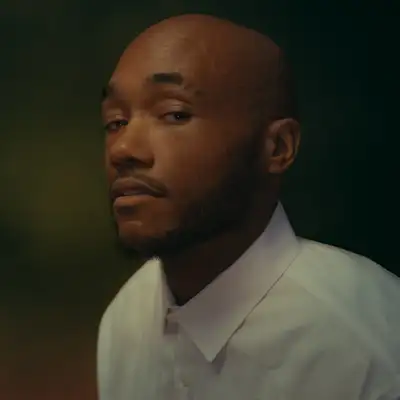
Rob Lee: Welcome to The Truth In His Art, your source of conversation connecting art, culture and community. These are stories that matter and I am your host, Rob Lee, except no substitutes. Today, I am thrilled to welcome my next guest on to the program. My guest is a visual artist born and raised in Baltimore, Maryland who is deeply influenced by the rich cultural tapestry and vibrant community of his heritage. His work is characterized by darker, luring tones and a unique depth and intensity. He specializes in figurative art that masterfully captures the essence of black figures in a way that is both representative and deeply personal. So joining me today is Maurice Scarlett III.
Welcome to The Truth In His Art. Of course, I appreciate your issues. Thank you. Thank you. Absolutely. Thank you for having me. Hell yeah. So to start off, I would love it for you to introduce yourself in your own words.
I have guests come on all the time. I get those bios and it's just like, hmm, I think it's more there. You know, like I find I was like, yeah, so you were a boxer for a while or you were a chef for a bit. This is the next career. So I want to give you the piece and opportunity to introduce yourself in your own words.
Maurice Scarlett III: My name is Maurice Scarlett III. I was named after my father from West Baltimore. I am Hamish Jamaican and I am a multi-disciplinary creative artist. I love it.
Rob Lee: So when you mentioned that and also it's a great last name by the way, I mean, I feel like your favorite color might be red. Thank you.
Maurice Scarlett III: But those low keys, the south one of blue, it might be the red. I give you that. I give you that.
Rob Lee: It's a brand, you know, as we all hear. So when did you realize that, realize you wanted to explore visual arts, a multi-disciplinary approach, is there a moment or experience that kind of steered you towards a creative path? And I say that because early on, you know, you always hear from folks, now I used to draw, I used to do this, I used to doodle and all that different stuff. But when it gets to a point where this is going to be a part of your life and it's going to be a big part of your life, when did that happen? Talk about that moment that steered you to the creative path.
Maurice Scarlett III: Um, it's hard to pick one moment. I feel like I had like, cheers, typical moments. Um, the first one was like around like 2010, that was when I graduated high school and um, literally like right after I graduated, the friends that I'm close with now, like they just to create as soon as like musicians, DJs, um, clothing designers or whatnot. But I used to hang out with them a lot, like right after I graduated and being around them and made me want to like document and get into photography for that. That was like kind of like my entry way into visual art. Cause I was, I was like sketching and stuff when I was younger, but it was just for fun. But hanging around my friends at that time, like in 2010, it made me want to document and get into photography. So that was like my gateway into visual art.
And I went up fast forward to, to like 20, 2017. Um, that's when I saw that painting again, like kind of taking it seriously. And at that time it was a fashion designer named, um, Kirby, John Raymond. He has a brand called Pierre Mollus and he, um, he discovered me on Instagram and he reached out to me like, yo, if you'd be down to collab with me for like fashion week. And I'm like, how, yeah, like I'm down for that. And like, that was like my first big opportunity. So I felt like just going through that experience and like going through New York and meeting people in fashion week, it kind of, it kind of steaming it to me that like, I can do this seriously.
And then like, I would set the bed. I was kind of going with it. And it was this moment of this pretty thing, but yeah. Those are like the two pivotal moments, but I was always like, you're actually drawing a sketch and what I was younger, like concerns and stuff like that. But yeah, those are like the two, the two real pivotal moments for me.
Rob Lee: So no, that's, that's good. That's good. Cause, um, hearing, I heard two things in, you know, those sort of pivotal moments. I heard just kind of being around it, being around like other folks who are exploring something creative, your friends who were into the different areas of creativity, whether it be music, whether it be fashion and so on. It's something about that, that notion of being around it, being around that energy. I would imagine, you know, folks run into it all the time. You're in a certain scene. You're like, if I want to be in this scene, I got to do something. I got to at least document.
Maurice Scarlett III: I need to add something to the table.
Rob Lee: Yeah. And then there's this, the other piece a little bit later on where, you know, a chance occurrence, which is another thing, just like if you're doing it and you're pursuing something with already a sort of minimum, a foundation of, and baked in curiosity, baked in like, man, how do you do this? And baked in sort of desire that when someone hits you up and like, Hey, I like what you're doing. You know, how can we collaborate? You already have something ready because you're actively doing it. Not kind of faking the funk a little bit because there's a lot of people who might do one painting or they're not actively working and then an opportunity comes along and it's like, Hey, I would love to do that. What kind of work do you have? Not a lot. Yeah.
Maurice Scarlett III: It's funny, it's funny because like when he reached out to me, that was like when I was in like the beginning of like my art, my art phase, like I was still, I was still figuring myself out as an artist. I felt like that, I felt like that's never an ending, but like at that specific time, like the artwork that I was doing and I'm looking nothing like the pieces that I'm doing now. So like he, he really caught me like at an early, early stage.
Rob Lee: You really did. How would you describe that early work perhaps compared to where you're at now? Um, because I can look at the early interviews I've done. I'm like, Ooh, I don't know if I'd ask that question now. Um, and part of going back and interviewing folks again for like follow up interviews and like, I hope this one's better because if it's worse,
Maurice Scarlett III: um, I want to say like the pieces I was doing at that time, they was very, they was very influenced by minimalism, but it had like, they almost had like this child like field to it. It was like between minimalism and like a child like essence to it. But, um, that's like the best way for me to describe it. Like it's like a lot of my artistry is still in those pieces, but I felt like, I felt like I didn't have like a strong enough story to tell within my art. Like I was just pulling from like different influences and references that I just thought was cool at the moment. But yeah, it is, it was like very, very minimalism asked in child like, and then they not bad, they not bad looking, but they just, they just not strong enough for me. What do you mean?
Rob Lee: So how would you describe where you're at now having that more minimalistic, more sort of your younger in that career, obviously in pursuing art. So that's perhaps where you're, you're getting that childish piece from, but sort of the minimalism. Where would you say that you're at now? Like, cause you know, yeah.
Maurice Scarlett III: Now I feel like my, my art, my artistry is like more grounded now. I feel like it's more, it's more unique to me. Cause it's like, I'm, I'm still pulling from like influences, but I re-imagined it in a way. So it's like, it's kind of like do my lens.
Like I can, I can reference like something from like MTV, but it's very, it's very niche in particular, but it has like a, it has like my DNA in it. But my artwork now is more grounded. It's more immersive. It's more cohesive and it's sharper and sharper and more so full. I say more so full cause the thing I realized like with me, as far as creating like I have to live life and I feel like a lot of, a lot of like my ups and downs and like experiences, I kind of pull from that and I teller it into my artwork. So it's, it's, it's just like a lot more soulful. It's definitely like a lot more soulful and it's more, it's more of like my essence is in it.
Yeah. It's more like my assets in it, like growing up in Baltimore, being having Jamaican, being like an older brother, just being like a visual artist, like all of that, all of that is like intertwined in like my artistry now, but it's just more stronger.
Rob Lee: And we're going to go into growing up in Baltimore cause I do have this, these sort of Baltimore questions. The first one, you know, as a fellow Baltimorean, even though I don't have the accent, people always give me like, yo, you don't sound like you from here.
I'm like, I am, I assure you I am. So much. What is, what is the first word that comes to mind when you think or even consider like Baltimore art? What is that word and why is it that word?
Maurice Scarlett III: Hmm. That was a good question. Great. Okay. I'll say great. Because when I first, like, when I first like stepped into the creative scene, like in 2010, it wasn't, it wasn't like how it is now. Like now it's like more of like a Renaissance feel. It's a lot of creative. Um, it's a lot of spaces dedicated to creative.
There's more platforms for us, but like in 2010, it wasn't as much. And I felt like a lot of creatives at that time, they just had like a certain grit. And then I also feel like the environment that we grew up in, it had that grittiness here. So like both of those things combined and then like what to do, then like with the creatives, you kind of had to have like a, uh, almost like a do-it-yourself approach. Yeah.
And we had to like, instead of waiting for a platform to give us a platform or waiting for a space to give us space, you know, like, fuck it, be this one, like find, find some way to like rock out or not and just, and just go from there. But yeah, I feel like a lot of that it is, it's like the grit, the grit of Baltimore. Yeah. That's the first third to come to mind. It's grit.
Rob Lee: I think that tracks, that tracks really well because, um, yeah, especially when it comes to we're going to figure it out, you know, there may not be sort of the scene. There may not be sort of the space and in part, that's, that's what I'm doing here. I'm unaffiliated.
I don't have any backing by anything that's large. I kind of made this and, you know, fortunate enough to reach out to people with a value proposition like, yo, I do this, you want to come on? And it kind of works. That's, that's what it's been. And you mentioned, um, the sort of right now there's this, this sort of renaissance or what have you, what is your take on that as an artist, as a person that is making art and making work? Like I'm in that sort of journalism space that I may see it from one perspective, right, wrong, what have you, but what's your perspective as an artist for sort of the, the branded renaissance or what have you? Because I've seen, and I'll, and I'll be really honest as I say this, I've seen over the last few years, certain institutions, I'm thinking of the Baltimore is when I say this, that suddenly realized, and I worked there for a long time. That suddenly realized like, oh, we got club music and creative as an artist here.
I was like, yes. And they've been here for a very long time. You're just becoming aware. Yeah.
No shots to them, but also shots to them. So tell me about your thoughts on sort of being told that there's a renaissance while perhaps the people who are saying it's not necessarily the boots on the ground who are making the work, they're just noticing.
Maurice Scarlett III: Um, it's really, it's really a beautiful thing. Like a lot of my peers and friends are creative. So it's like just seeing them getting that recognition and getting that shot. And like, it's like a beautiful thing to see. Cause like when you get recognition to shine, that kind of bleeds back in the Baltimore, so it's like, all right. And it's fine, but it's just cool.
And then, but I get the same time. It's trippy. Cause it's like being an artist myself. It's like, I'm a monk sitting and I'm kind of in it. So I kind of have to like look at it like from a third person, like, damn, like, all this is going on, like all at one moment. But it's really, it's really like a beautiful magical moment. It is, it just be like so many shows, art shows, like back to back, like even like next week, next week, I'm about to be our escape.
Yeah. So it's just, it's almost like a, a continue with like, I'm out of shows and artists popping up and then also to, it's like a lot of, um, it's a lot of platforms, giving like resources and tools for artists, like funds and grants. So like, um, having like, like personal studios and whatnot, but it's really, um, there's really like a beautiful thing to see. It's, it's, it's, it's crazy. Cause like when you in it, it already feel like it until you hear it. And then once you hear it so much and you start seeing it, it's like, oh, shit. It's like, it's really happening right now. But it's a beautiful thing to see though. It really is.
Rob Lee: It's good to get that perspective because I think a lot of times. You know, I'm seeing it from one lens or what have you, but you're in it directly from someone who's making work and out there and connected to, you know, like you were saying, like it's beautiful to see it happened in real time with people that you're your friends with, people that your peers with, you're yourself, you know, as an artist, it just feels like it's really cool. And I think it adds a little bit more color and in texture because I still think that, you know, there is that conversation around, Hey, we're, you know, we're kind of getting to it. And I think it's been around for a while and some people are catching up to being aware of it. And I think that has led to the resources and things of that nature. Definitely.
Maurice Scarlett III: Cause I do also feel like we were Baltimore is kind of like, um, overlooked at times because we close to New York, we close to Philly, we close to DC.
And I feel like typically those are like the hotspots to look at for art or like music and events, but Baltimore got some gems there. Like we got some fire here, but I feel like now we starting to really like, we are really getting like our recognition. This is slow. It's like a slow burn. This is really like building and building over time.
Rob Lee: Yeah. And I think with that slow burn, it is more sustainable because, you know, the burning, you can burn out, but when you have something that's a bit more, I think sustainable, it lasts longer and sometimes it may not look like things are happening, but things are happening all around us. And you know, you're right. Where getting that recognition and having sort of megaphones, if you will kind of speak on this is all cool stuff that's happening.
These are people who's making cool work here. You don't have to run up to Philly or run up to New York. There's a community that's here that you are a part of. You can be a part of.
And I think sometimes you have to knock down those barriers because, you know, it's that thing like some people don't go from West Baltimore to East and back and forth, you know.
Maurice Scarlett III: Yeah. I know some people like that too.
Rob Lee: Crazy. So talk about any experiences that come to mind. And you were touching on it earlier about sort of growing up here. You mentioned the word would be grit, right? But growing up here in Baltimore, you know, how did you up bringing sort of like shape who you are as a person and as an artist? Cause it's not purely, at least these conversations I think that are interesting is not really, Hey, tell me why you painted bad or made that that color, but who's the person the, you know, you said you have, you know, Jamaican heritage, you're, you're from this part of Baltimore, you're named after your dad, all of these different elements. You're an older brother, an older brother as well. You know, those different details. How have that being here in Baltimore shape you as an artist and as a person?
Maurice Scarlett III: Yeah. You kind of touched on it like being Jamaican. Like, um, I had like a unique upbringing cause I'll be hanging out with my father. He would take me to like certain Caribbean spots and meeting like other Caribbean people at a young age and like that left a impression on me, but I didn't really understand how important it was seeing it that young. And so I got older cause like now, now I'm like, when I'm making a lot of my artwork and it's like, uh, if it has like Caribbean heritage in it, I always go back to those moments I was hanging out with my father and just thinking about certain people that I met, but it was that. And then also, um, I didn't grow up like in a rough neighborhood, but I was like near them and I know people that was like living in certain neighborhoods and like just seeing or hearing about certain stuff that they went through.
It kind of, it reminded me just how grateful that I was and like what other people go through. So it's like, I pulled from that and Baltimore is like really a unique place cause like right now it's like my studio is like going north, Abner. So like every time I look out this window, I never know what I can see in the day.
Yeah. So it's like, I never know what the speck with Baltimore, but it's, I just feel like it's just like so much texture here. And just hanging out in certain places, like I would say like, uh, kind of like down the harbor, that's like a touristy area, but hanging out there at a young age, like in my teenage years, like that really shaped my character. Me and certain people had shaped my character, but, um, yeah, Baltimore has like a unique texture that really influenced me and like my artistry. But yeah, Baltimore is like, it's a, it's a cool, it's a cool melting pot. It's a cool melting pot.
Rob Lee: It's definitely a low key underdog. It doesn't get that, that notice for being that melting pot for being, I think one of the terms I've been using and I've heard in this, this book, Death of the Artist is that you have these different creative and artistic hubs. And I think Baltimore is developing through this renaissance you mentioned earlier, developing into one of these hubs that is accessible. It is sort of close to these, these sort of other, maybe bigger hubs, but also it has this own energy in his own sort of, uh, way of doing things. And I think that's really, really important. And also being exposed again, you know, as you were touching on, um, you know, spending time with your, your father and being able to be exposed to different elements of your, your culture, different parts of the city and seeing them for what they are, but also what they potentially can be.
That's really big. So let's, let's move into not just your work, but the thinking that goes behind your work, because I think, um, you know, often tell me about this color. Tell me about this theme.
That's great. But I also want to know like why those themes and why that. So how I hit it a lot. You have to look a lot. Well, the color blue.
I could start just doing it cornally. So I noticed that you work with a lot of blues. Why blue? Is that saying something about your mood? That's actually a little too deep, maybe.
I don't know. But, um, how important is curiosity and exploring curiosity when making creative work, whether it's in the theme, whether it's in the process, how important is curate curiosity and exploration when it comes to your work.
Maurice Scarlett III: This is very important. Like I feel like that's like a top, that's a top priority for me creatively because I felt like, I felt like that was like, that's like my compass in the way, just like that curiosity, like getting into photography. That was a curiosity because like that, that honestly stemmed from like me going on Tumblr at that time.
This is like 20 cents or like going on Tumblr and 20 cents. It was a lot of like photography, photography blogs. And I'm like, maybe I should pick up a camera. And once I pick up the camera, the bar just kept rolling. But it's, curiosity is very important to me as a creative.
Like that's my compass. Like I have to be curious about what I want to say within my art. And I can't let that, uh, I can't be fair for that in a way.
I can't be fair for that. So I let my curiosity lead me into what I want to say next within my art. So it's very important. It's very important to me.
Rob Lee: So in within that curiosity, because sometimes it can be one of those things of, you know, you don't have a governor, if you will, you're like, man, I am really going down the deep and I'm going a little bit too deep with this curiosity. How do you know you've hit sort of pay dirt of like, this is a good area. I can explore this or I need to go deeper or maybe I've gone too far in that exploration because we go deep and sometimes we're going too deep and they were not producing anything or making anything. We're just exploring.
Maurice Scarlett III: With me personally, it's more, um, I lean more towards feeling an instinct. It's like what you, it's like when you said, like, what, like more or so, like with thinking, with my work, I don't really, it's crazy. To say this out loud, but like, I don't really think I just, I just feel it's like a, um, I don't know if you were saying the Star Wars, but one of the Jedi said that in the movie, he was like, uh, he was like, feel, don't think.
And like that's my approach to art. Like I don't really get too much in my head about it. Cause I felt like once you do, I don't know. Once I do, I can get stuck or stagnant, just like over thinking like I could do this, I could do that. And sometimes I feel like when I do that, I can have like sort of like a perfect, a perfection that I'm trying to chase.
And I don't want to, I don't want to chase like perfection. I just want to like lean into like my curiosity into like, and what I feel at the moment is really, I feel like that approach is really mean having like a, uh, like a child like feel to my, to my artwork. Cause like when I was draw, when I was younger, that was my approach. I wasn't really thinking of like the analytics of a pain or when I posed it or like who going on, like or not. It was just, I have to get this off right now.
Like I just got a creek, but I feel so it was really, really feel holding that, that childlike essence into my artwork, which is like, does not think it's so much and follow my curiosity, but also leaning into like what I feel and just have on like an instinct. Cause a lot of them on work, I do like research like as far as references and what do I want to tell within my work? But I, I have that research go to a certain extent when I feel like, all right, this is strong enough.
This is solid enough. Cause I could keep, I could just keep researching for days and days and days or just thought thinking of like what I want to say, but I know if I do that, I can get stuck and stagnant or self procrastinating. But yeah, I don't, I don't really, I don't go too far in the deep end. I can, but I choose not to though.
Rob Lee: That, that pursuit for perfection, that perfectionism thing. That is another piece of the procrastination. It's the on ramp to procrastination. And I'll say this, like I've been playing with the, these sort of ideas of. I know it's objective, but like everybody makes good work. Everyone is doing so much good work, right?
But you know, what's the barometer? We can't like, well, no one gets to make bad work. Everyone has to make perfect good work and we lose exploration there.
We lose sort of curiosity there. We were talking before getting on Mike about sort of fitness a little bit. One of the things in fitness, you're supposed to fail at times to get better. So if you're always completing the race, always lifting the craziest weight, you're not really progressing.
You're just kind of just doing it. And it's something that gets lost. And I think of the expectations that are here, right? The AI of it all that's here, right?
Where, you know, we've seen how AI has gotten really better. But the sort of expectation was, I thought this was supposed to be human. No, we don't want it to be human.
We just need it to be whatever it is. But the complaints were this wasn't perfect. Now we're getting to a spot where it's like, ooh, I don't know if I can tell. This isn't this isn't good. This is freaky.
Very spooky. And people spoke me and I think to the point of it all, the imperfections is what makes something human. So when I when I was starting and there's apps to do this now, when I was starting out, I've been podcasting since 2009. And when I was starting out, I was doing all of my editing. I hire an editor. You know, we work hand in hand, but I hire an editor, right? He's been my guy for a long time.
Daniel Alexis, good dude. And, you know, when I was editing, I used to meticulously go through and find all of the ums and all the pauses. I wanted to perfectly manicure this joint, right? It was a different podcast that I was doing. And you know what happened when I was doing that? It stopped sound like a conversation.
Maurice Scarlett III: Yeah, you need the imperfections. You need it. I think, um, Miles Davis has like a quote. He says, I might be prayer free, but he says something like, well, you mess up on a key that's keep that because that can make the song better. And I have that kind of like train of thought. Like when I'm paying, like if the line is not perfect, fuck it, let it rock. If it's not matching a certain way to fuck it, let it rock. Like imperfections are perfect because they add like another sense of like taxure to it. Cause sometimes like Albert, that looks too perfect to me.
It could come off like where every AI is. And it's like, you need, you need like a little mistake in it or something. And then, and then now that I think about it too, sometimes a brewer won't notice it until you say it. I had that happen to me a lot.
Cause like I could be working on a piece and something about it is not right. But if I bring it up, they'd be like, yo, you tripping. Like, I don't even see it.
And I thought I was thinking about it like, man, they don't see it unless I say it. So imperfections are like important. It's like you, you need that. And they build a character too as an artist. If you start, you kind of start caring about like the, um, like the critiques and stuff like that. Yeah.
Rob Lee: It's freeing, I would imagine. Um, and I juggle with it before I move into this next question or this next part of this question. I juggle with that in doing this. Like, you know, as I said earlier, you know, journalists, and I just got back from New York to the term art historian was thrown around a lot and community journalists, oh broadcast.
I was like, I'll take all of it. Give me the titles. I need to, you know, fix the CV a little bit because the term podcasters get a little deprecated. You know, it's everything that's a lot of things that aren't podcasts are now deemed as podcasts.
Like you have a video chat show. It's just made for the advertisers. It's not made for the conversation. Yeah. Because if you think about it, you know, think about it this way, you painting, right? Let's say you're you're working on something right in the studio. You can you can work on your stuff while having the sound playing, right? But if you're doing the visual, you got to be looking at that to actually have that full experience. So you're still going back to the audio because you're doing whatever you're doing creatively you're not preoccupied and watching it. And I try to get that across that, you know, I teach podcasting and I'm like, you can if you want to do a video podcast, you can.
But really it's kind of a little bit of a grift there. It's just like if you're making something that you're still listening and using the audio component of it, just have the audio. Like what are we doing here? And you know, there's so many other considerations.
It's a little contrived going with this this notion of perfectionism, right? Where, you know, when we were kind of going through some of the audio stuff, I was like, I can cut that out. I can stitch that. I could do that. Imagine if this was video. Oh, my goodness. Right?
Maurice Scarlett III: And listen, listen, listen, listen, listen, listen.
Rob Lee: Do a lot of look, man. I would see because I would get the inclination. I'm like, all right, let me make my skin look a little bit better. OK, I could put this unit on. I've committed to this ball thing.
But I could put a unit on. I give myself all of the late. I can relate all the soundcaping, all the hair escaping.
It's just going to be great. And on an advertisement in this one. The presentation. And it's not what the thing is. It takes away, I think, from the merit of what the thing is. So talk about because you were talking about some of those mistakes that pop up or that you have in there and that folks, the viewer doesn't notice.
The audience doesn't notice. So talk about maybe sort of Baltimore showing up in your work. You know, if there's a specific piece that comes to mind. But those obvious ways and those really subtle ways that, you know, if you encounter someone who's in the know, like, you know what this is.
I'll give you this as an example. I had an interview that dropped recently with this dude that runs this this brand called BMOS Clothing. And, you know, I'm wearing one of the hats to one of the art shows. If someone looked at it, it was like, yo, is that the Pagoda from Patterson Park in Baltimore? I was like, it is. This is in New York.
Maurice Scarlett III: So it's just random. Yeah, like, you know, you know, exactly. You know, you know. I feel like I highlight Baltimore. It's crazy because, like, I highlight Baltimore. Not all of my work, but the majority of my work. But I be doing it like subconsciously. It's like, I don't really, I don't really think about it. It just kind of comes out within my work. Sometimes I do do it intentionally, but majority of the time it's just like unconsciously because I just felt like growing up here.
I soaked up so much and I still am, but I soaked up so much and I could be working on a piece like it's a certain piece I have called Ben Suggins. It's like it's portraying like a younger boy with his shirt off or kind of like have like a gang sense in front of like these buildings. But I grew up seeing that so much that it was kind of like in my subconscious and like it just comes out naturally within my work. But I highlight Baltimore a lot in my work, but some some people may pick up on it.
Like I have like a I recently did a piece with a little boy on a tricycle, but he ran like an over your spirit. So it's like little little cues like that I highlight. But majority of the time it's like subconsciously. It just naturally comes out in some type of way. And sometimes I don't even plan it. It's like that's the thing about art.
It's so subjective. Somebody can see something in it, but that you didn't see. And it's a lot of pieces that happen because like I could just be paying it and I'd be like, I think it'd be cool to put this in it. But I'm not really thinking that much.
I'm not thinking that deep about it. But when somebody else points it out, I'm like, damn, that dude like this or dude like that or it reminds me of this of Baltimore. But yeah, I do put Baltimore into my work a lot. But it's just sometimes to intentionally and sometimes it's like subconsciously. Yeah.
Rob Lee: And I think when we come with the subconscious, we come with the more subtle you know, there's a sacrifice that happens there because it's just like I want to be subtle and sort of you almost having to spoon feed people like, yo, this is the Baltimoreist most Baltimore, Baltimorey picture you ever see.
Maurice Scarlett III: I would not want to do that. I don't want to do that approach. It is like that approach to me. It feels kind of it feels forced in a way.
And I don't want I don't want none of my my artistry to come off as forced. I wanted to feel. I wanted to feel mutual on both sides, but at the same time, like organic, like wherever you're going to have a restaurant, restaurant, restaurant, better work. I wanted to feel reasonable.
Rob Lee: Absolutely. Absolutely. You know, it has to hit in a certain way. And I think in in doing this, like I think when you put yourself in doing this podcast, right, or doing sort of a series like this, you put yourself in sort of a box of I only do this in this way. It's limiting to you. And you almost have to I don't know how much TV or film that you watch. But sometimes you watch a TV show, you know, like you guys wrote yourself into a trap.
How are you going to get out of this? Like they kill off the main character. And it's like, he's really good. You're going to have to find a way to bring him back. Time travel or he's a copy. Really? Go ahead and do that. So like that.
Maurice Scarlett III: Oh, that's so that's so real. That is so real.
Rob Lee: So it's like it's best to give yourself sort of that latitude and do what's true for you. And that's what I was hearing from you, where it's just like, I don't want to do something that feels like just, you know, I think you said it, that really, really great. Where it's like, it's a mutual thing. It's almost a, for lack of a better term, it's a social contract of you making something that you are proud of, that you feel married in that feels representative of which your voice is. And that the audience, the folks that are the patrons, potentially the folks that are the viewer, they're kind of getting this. They're rocking with your style and your approach to making your art versus, hey, we're going to do a wild swing. It's just everything is an Oreo logo. Everything is the skyline. And it's like, that's not me. That's not you.
Maurice Scarlett III: Yeah, that's like, I'm a fan with certain artists do that, but I've learned as a artist that you have to really find your own lane. You guys have carved your own lane and find it and just stay within it. But at the same time, experiment kind of going back to what you said about curiosity, but like still being curious and experimenting, but doing what's true to you, like ready to go and what's true to you.
Rob Lee: So I got a couple more real questions. Then we get the rapid fire ones that are coming around that bin and taking that, that quick spin. And one of the things that also sticks out when I'm reading about your work and looking at images of your work, it's sort of these dark, alluring tones. So walk me through some of those choices and working dark and working with certain tones.
What draws you to a specific palette or choice of color and what do those darker tones allow you to express about perhaps the subjects or, you know, what you're covering that other palettes don't?
Maurice Scarlett III: Yeah. Um, it really said the dark immersive tones, they really stem from this like life experiences. Cause I feel like we all go do ups and downs, but I feel like with me, I learned to pull some like my pain or like certain experiences I went through when I was feeling low and try to use that pain as power and put that into my artwork. And a lot of, I use a lot of black and blue within my work. And that really stemmed from this dealing with grief, dealing with grief and, um, leaving some people that was like really close to me and just going through those moments, like, like when you go into grief, you feel sad, you feel blue. And like, I would hear that a lot, but it never really dawned on me putting that into my artwork until like, I'm like, I really need to like, I need to channel into what I'm feeling right now. Cause like it's, it's unique to me and I can say something with that. And once I started to like really. Hail from like the grief, really the artwork, tell my grief.
Now, now that I'm saying it out loud, that's what it was. It's like the grief that I went through, I hail from it through my artwork. And when I started to put it in my artwork, I'm like, hold up, this is, this is turning into like a world that I didn't really plan on creating. And when I really started to do like more research on it, like, I'm pretty sure you hit Pocasso, right? Pablo Pocasso, he went through a, a blue prairie phase and I really didn't know that until after the fact.
And I'm like, hold up. He went through grief too. And he kind of channeled that into his artwork and that was that period. And I'm like, I think I need to, I need to stick with this. Cause this is like, this is the beginning of something. And then like, it became like a, like a dark immersive world. And I use a lot of those tones.
It's very alarming. It's like, I like when a viewer can look at my artwork, but they have to use that imagination in a way, cause I leave a lot of like ambiguous things with my artwork in order for the people or the viewer to figure out. So I play on that darkness and the tones of it. And I just think it looked cool. Cause like some of my artwork is just like, you looking at it and it's so dark.
But like, once you really peek the details, you see like certain cool nuances in it. But it's just really coming through my, this is really coming through my lens of like what I went through in the past and like how, how I hail from it. But that's, that's where it like originated from. But it's, it's still, it's still growing.
Cause that's the thing I know. I don't know where it's going to lead me to as an artist, as a creative, but yeah, that's, that's just kind of like the, uh, that's the world that I created from my life experiences.
Rob Lee: And I think you, you touched on something really important. Um, just those elements of the real life piece of it. When you're having periods of grief, like, you know, this has been one of those, those periods for me and you know, folks will, Hey man, you know, we can just reschedule, we could do this. It's like, no, I got to keep working. I got to keep doing the thing that I do. Um, and I even go back to, you know, I'm in my, or I'm 41 now and I started podcast and I was 24.
So you can imagine how much life and how many different things that you're experiencing during that time. And there was a, there was a period, um, in the other podcast that I was doing one where everything was real spicy. I was saying some really spicy stuff.
Um, not anything that was like out of pocket, but it was just like, I want to explore this in this way. And it was very matter of fact. And then there's another period where you can see, you know, go over the course of different phases in one life, 20s, 30s, 40s, that you, there are certain things that are immutable, right? That this is who you are.
And this is what you value and what you believe in. And there are some things that maybe you were a bit stronger on it earlier, that you're much lighter on a more nuanced on now. But that's the process that someone is rocking with you. And this is a key point staying with it and spending time with it because our attention spans, right?
We don't spend time with it. Like you're saying, you know, you're touching on, there's these different nuances and things that folks will see, but they have to be with that art to experience it. And I think often it's just, you know, that didn't hit. It's like, you spent 30 seconds with it.
Maurice Scarlett III: We really got to sit with, yeah, cause I feel like we live in a such a, yeah, like the instant gratification time and people don't know how to, they don't know how to be present like that no more.
This is everything is just quick. And I feel like when it comes to art, you really got to like sit with it and immerse yourself in it to really like grass was being portrayed. You can't, I don't think you can really do that. Like in 10 seconds, you can just glimpse that, but you're not really, you do not really get in the full spectrum of it. But I agree with that.
Rob Lee: And I think this, this will really give you the context. So I know that there are research that's done that shows you how quick someone moves from a page. He's for lack of a better term, these are nerds that are coming up with this stuff.
Yeah, man, you can only be on it this long. If your page doesn't load this quickly from a online website, sort of standpoint, these different really quick fast because they want to get to more advertising. They want to get to hear some more stuff to keep you on the site longer, whether it be an app, whether it be a website, what have you. And I think of this old clip from a big crit song from a long time ago where he's some audio piece and it's like, if the song doesn't hook you in the first 15 to 30 seconds that you want to skip it. And I think when I listen to music, I usually don't like the album. The first time I listen to it, I have to live to a two or three times to really digest and process it. That's the same way that I consume books.
I'm not a huge reader. I listen to a lot of audio books and I can remember this stuff because of repetition, because I'm actually immersed in it versus, yeah, they didn't hit, you know, like back in the day, this is music. And I think the same thing applies to visual art and I think the same thing applies to food and so on. You know, when you have music back in the day, used to have, this is the album of the summer, not like this is the album of one week and applying that to food.
You know, you ever have like a really good meal and you're like, man, I want to hurry up and wolf this down. No, you want to enjoy and say, but you want to take it from. And I think we're not doing enough of that. Just if I'm to insert my own, you know, two cents in it, I don't think we're doing enough of that with, with art, um, with visual art and with any sort of creative contribution. Sometimes if it doesn't hit from an emotional standpoint, maybe you can appreciate it in a different way, but to write it off because maybe online said it wasn't cool or wasn't interesting.
That's that short shrift. And I'll say this before moving to the last question. I'm about, um, I was in about this time last week, I was up in New York for, um, some of the art fairs and I was talking about my art friends up there and they're saying their perspective as people who are making work, looking at their peers, their contemporaries, their competition, if you will. Um, and they're going to view maybe the work in a certain way of you should do this differently or I wouldn't have done that really, you know, having a artistic perspective, whereas, you know, they're trying to get my two cents on it.
I'm not a critic. I'm like, I'm looking for the story. I'm looking for the whole scope of it. So my perspective in viewing it's going to be a little bit different.
Maurice Scarlett III: Exactly. Exactly. Exactly. I, I, I agree with your sense of this. This is, yeah, I just felt like I just wish people learn how to be more, um, just be more present, just be more present with whatever they engage in with. Cause this is trying to consume something like in a, in an instant couple of psychosis is not, it's not going to hit the mark. Oh, absolutely.
Rob Lee: And then it's, it gives you that pressure of man, I gotta always be making something like, no, I did, you know,
Maurice Scarlett III: and I honestly, I used to be me. Like I had this, I was going to do this period of like comparing myself to all artists, especially now with social media, it's so easy to do that. And I used to be like, damn, I'm not making enough pieces in this week or what not.
And like now I just, I'm really only going to be paying attention to it. I just kind of create what I feel and like whatever happens, happens. Like I don't really, I don't get caught in that loop of like, comparing myself or almost like burning myself out. Cause I went through that a little bit, like with the burnout theory and that shit is not fun. Cause it's like, I can't create the way I really want to create if I'm burned out off of like, comparing myself or just trying to do too much. You gotta learn how to, um, I felt like creators have to learn how to pace themselves in the way that works for them.
Rob Lee: In comparison to thief of joy, right? Um, yeah. I'm moving to this last question and, um, and I've added a rapid fire question. I think that you'll enjoy, but here's the, the last real question.
Um, so in this, this sort of podcast, I'm well over non-heard of episodes at this point and in this time I've learned a few different things. I've talked to artists and they're, you know, who they're very intentional about like showing black folks with dignity, avoiding anything disparaging, but also being real to their experience. Do you think about this when, when you're making work, when you're, when you're painting or you just following like sort of what moves you and this is just naturally there, what is sort of your relationship with showing something real, but also showing something that's not disparaging. Because I think a lot of times, whether it be from this perspective, whether it be from a visual arts perspective, you know, we're sort of the exporters in a way of this is what Baltimore is. This is what sort of the experience of a black person in Baltimore is and what we're detecting. There's certain, not I won't say responsibilities, but there are certain considerations that are there. So how do you kind of navigate that?
Maurice Scarlett III: Yeah, you said the right word. It's like, I'll kind of look at it as like a responsibility because, um, but then my work, I want us as far as like black people, our heritage, I want us to be highlighted in a different light. But sometimes like, I don't like sometimes in the art when we showcase in like the same, this is the same dialogue. It can be like, someone with like politics or like slavery and very like, um, it's like trauma.
It's like a lot of trauma. And I feel like sometimes I'll be feeling like it's important to show that, but sometimes I'll be feeling like we need to be highlighted in a new way or like a new, like re-advantaging way. And I feel like I do that within my work because a lot of the figures that I portray, they all blur, but I don't normally tell people that they black people, but sometimes it's based off when I'm portraying or like how, uh, certain figures, when like a certain closing or like the environment, you can kind of pick up on it, but I don't really say that they black people, but I feel like it is important to, um, have us shown it in a new life. I really think proud of that, but I do it in a, um, I do it like in a re-imagined way.
That's like my approach. I do it in a re-imagined way because I want to see us like in a, in a cool new way, but I also think about like the legacy as far as like we're leaving as a creative and I want like little children to look at my work and to see themselves in my works. Now, as I say that too, I do have like a story like last, uh, last summer I had a, um, exhibition that I was in and it was this little boy, I think he might have been like 10 years old, but it was a certain piece that I made that called his eye and he was really, he was so immersed into that piece that his mother in the vine, it, he saw himself in that, in that piece. And I'm like, damn, that's crazy.
And like, I was chatting with him and he really, really liked that piece. So it's like moments like that. I really think proud of like just highlighting us better, but in a, um, in a re-imagined way. I just really feel like that's important. That's important. This, this to show us in a new light and not always like in a negative light. Cause that can, that could just become old after a while. Cause I do feel like it's important to show that, but at least do it like in a, in a unique way that's to, that's valid towards them or like in a re-imagined way. Yeah.
Rob Lee: It's just like, are you one, thank you for, for sharing that the story with the, the, the child that kind of really connected to your work and then kind of leading to a sale, it shows sort of there was a connection and folks seeing themselves and I think that's what it is. Like if someone's doing something re-imagined or someone is doing something that might border on sort of maybe that, that trauma thing or rehashing it or what have you, is how are you doing it? What are you adding to, I guess the Canon? Are you making this in a different way?
How are you getting there? Because that's, that's usually the thing. Like, you know, if just someone's like, yeah, you know, here's, um, this rapper died. I did, I quickly did a Nipsey hustle painting. I hear you. You know, but what makes it outside of perhaps your style, what makes that subject matter unique and interesting that 10 other online people aren't doing?
That's the sort of bleaching of the creativity that we have when we're kind of just showing sort of the same thing, maybe with a little bit of our flavor and seasoning on it. But ultimately, if you root it, it's just like, I can look at 10 of these, nothing separates them.
Maurice Scarlett III: Mm hmm. Yeah. Yeah. It's like that, that uniqueness makes you stand out. And then I'll also add more to the conversation. But it could still be a Nipsey piece and that's, that's fire. But it's like, what are you adding to the conversation of this, of this Nipsey piece? Like what makes it, what makes it you, what's sort of it in your, you trying to sell? Yeah. So I said.
Rob Lee: No. I got a little bit of business to wrap up here and first part of that business is the rapid fire questions. Uh, so with rapid fires, I tell everyone, you don't want to overthink these.
These are sort of whatever your shortest answer is. I've added one because I, because I had to take a look at the, uh, the Jamaican piece, had to look at the Jamaican background. So we're going to talk about that a little bit. But here's the first one. Yes. What color shows your mood for the day?
Maurice Scarlett III: Hmm. I know, honestly, I'm going to say yellow is hot. It's hot. And I feel like, I feel like working on this stuff for the fair that I've been, that's been going on this weekend. That's gonna happen this weekend. Like I just, it's yellow. Yeah. It's like I'm in a, I'm in a shining move right now.
Rob Lee: I was going to start thinking you was pissed off. I was thinking, I was like, my man.
Maurice Scarlett III: Uh, here's the next one. What is the strangest thing you've ever used as a paintbrush? Hmm. Huh. That's like you use anything.
Rob Lee: Cause I know people have that process is just like, yeah. So I was using this banana peel, right? You know, yellow, I was using this banana peel and I was able to get some really good texture here. I really got thinking about that. Oh, man, look at it.
Maurice Scarlett III: Right. I'm really, you're something crazy. Like I would say like a sponge, a sponge baby. Okay. Nothing. Yeah, nothing serious. Yeah. I ain't got in there yet. Not no, not no banana peel.
Rob Lee: I'm just waiting for when you're getting to like, yeah, this is my, um, you know, non-normal phase, you know, Picasso, he had his blue era. I have my banana peel era and here's my latest work. Yeah.
Maurice Scarlett III: They ain't gonna be ready for that.
Rob Lee: You know, inspired by Andy Warhol is like, I hear you.
Maurice Scarlett III: Uh-huh. They ain't gonna be ready for that. Yeah. I haven't, um, I ain't used anything weird yet. Okay. Yeah.
Rob Lee: Here's the last one. This is the one I added because, um, you know, I try to be a little down, you know, I went to a spot, you know, up in New York that, uh, that had some ox tail on the menu. So I'm going to start there just for reference. Oh, I think I know what this means. Yeah. But it's going to be a curveball. So I got this question. A beef patty on cocoa bread, yay or nay?
Maurice Scarlett III: Yay. Okay. I'm just making sure because I've heard some people be like, nah, you had too many cobs.
Maurice Scarlett III: Well, whoever said that, they not valid. That's a yay. All cats yay.
Rob Lee: Thank you. That's great. My partner, she looks at this. She's like, she's like, this is the only way you do it. She was like, if it's not on the cocoa bread, I don't want it. Yeah.
Maurice Scarlett III: Like that's, that's, that's like a tradition. Some people don't like that, but they messed it up. They messed it up. It's just too sad. It's taken to a whole different level on a cocoa bread. With a king.
Rob Lee: I look like I said, I'll be out here.
Maurice Scarlett III: You know, that's real or the champagne soda.
Rob Lee: That's actually, that's right. That's right. The fire, we got it. We got that piece. Um, so here's the last real question I got for you. This is the sage advice question. As we close out, I want to go back into something that we touched on. So did those subtle tells within your work, right? Um, and as I was touching on, we need time to spend time and look at those references and pick up those references. Um, even in doing this, I recommend folks go back into the archive. It's a lot of episodes in there. You'll see, you know, first and second, sometimes third interviews with guests. I think, you know, artists now are much more available to talk about their work. This being an example for you to come on for an hour or so and talk about the thinking in your work, what are they just being like, you know, a little goofy, little art talk, um, while they have their merit, but somehow it misses sometimes. So, you know, they can share the story. You know, artists can share the story behind your work, but it still seems to be a gap at how people engage with the work, their self, you know, itself. So, and from your perspective, how can the audience, the viewer better understand and perhaps appreciate artwork? You know, you're a person that's putting in hours and time and making work.
And as I was touching on earlier within 30 seconds, I don't know if that hits. And that's kind of that. So what are your thoughts as an artist and as an appreciator of art to, you know, how can someone better understand, consider and appreciate art from your perspective?
Maurice Scarlett III: Um, I think they should, um, they should talk to the artist. Like really, really get to know the artist. I noticed, I noticed when a lot of brewers talk to me, like really get to know me on a personal level, they start to connect with my art more. Cause like, we could just like right now, it's like, we can just be having a conversation and do that conversation.
They pick it up on my, like my DNA, that's what's in my work in the conversation. They don't really have to like ask like the typical questions like, why the blue why this, why that, like they could just really talk to me like an actual conversation. And this really, this really gets to know the artist like first hand and just really pick that brain, but be genuine about it. Like don't ask like, uh, don't ask like the typical questions like, what if one is your as an artist, what inspires you to just really treat it like a, um, it's like a regular conversation. I think that helps.
Yeah. It really helps to get to know our artists like when a personal level. And then it then also like that can lead to a sale. Like that, that happens to me a lot.
A lot. This was a simple conversation to lead to a sale opportunity. But I think, I think that's like the first step.
Does this easy to be dismissive about art when it's not, it doesn't hit the emotional mark, but I feel like if you put that to the side and it's really like try to figure out the artist through a conversation, it's that will help. That would definitely help.
Rob Lee: I'll add this to it. What I think you're touching on and it gives a full circle thing. Be curious, be curious about the artist, be curious about the work.
Maurice Scarlett III: Yeah. A thousand percent, a thousand percent, a thousand percent. Yeah. Cause that, cause I feel like when you engage with an artist like that and make some more appreciators, cause it's like somebody is like wanting to talk to me just off the strength of my work that they was moved so much. They just want to like have a conversation with me. But yeah, that's, that's very important. Just to, just to have a conversation with them, a chat with them. Yeah.
Rob Lee: That's good. That's good. And I think we got it. I think we got the full scope here. Um, there's two things I want to do as we close out here. One, I want to thank you for coming on and spending some time with me. We got it. We made it happen. I appreciate it.
Maurice Scarlett III: Thank you for being having me as a guest. Absolutely, bro.
Rob Lee: And, uh, secondly, I want to invite and encourage you to share with the listeners where they can follow you and check you out your social media website, anything along those lines. The floor is yours.
Maurice Scarlett III: Of course. Um, first off, can check me out on Instagram, which is my name, Maurice Scarlett. Also my main website, which is like a portfolio. That's the same as my name, Maurice Scarlett.com. And, um, check me out on TikTok. Um, this search for a name on TikTok. I have a different username. I believe it's Scarlett unplug abbreviated, but I'm going to talk to like, yeah, check me out.
Rob Lee: And there you have it folks. I'm going to again, thank Maurice Scarlett, the third for coming on to the truth in his art and sharing a bit of his story with us and the insights on his work and his perspectives on art. And for Maurice, I am Rob Lee saying that there's art, culture, and community in and around your neck of the woods. You just have to look for it.
Creators and Guests