Sara Diani on Painting, Desire, and Being an Afghan American Artist
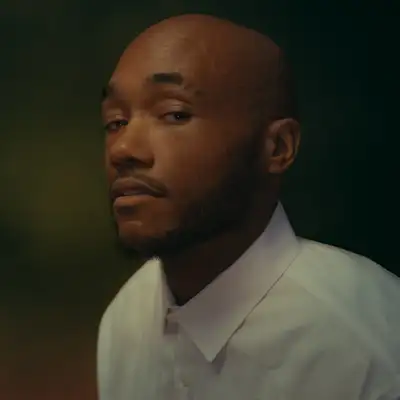
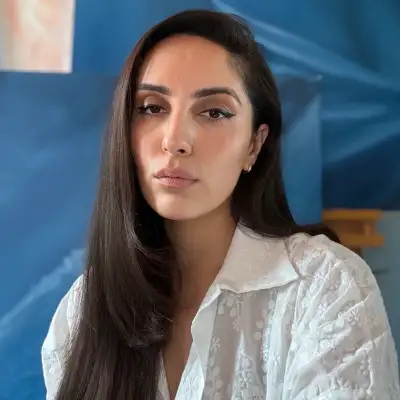
Download MP3Rob Lee: Welcome to the Truth in his art, your source for conversations connecting art, culture, and community. These are stories that matter. And I am your host, Rob Lee. Accept no substitutes. Today I'm excited to be joined in person with uh my next guest, an Afghan American artist based in Northern Virginia and working in Washington DC. Through oil and soft pastel, she explores intimacy, desire, and attachment, focusing on fragments of the body, lingerie, fabric curves, and spaces between forms. With uh clothes cropping, color and negative space, her work turns familiar images into something abstract, intimate, and restrained.
Please welcome Sara Diani. Welcome to the truth in his art. So I'm I'm gonna start off the conversation with this. Thank you for being here today.
Thank you for making the time. Um to be on this this pod. Like I've you know, seen your work in a few places. I've been following you online. We may have crossed paths uh clandestine style at a at a market not long ago. But before we get into the main topics, I want to set the stage and give you the space and opportunity to introduce yourself and in your own words, because that's that's important. And could you share your first creative memory? Absolutely.
Sara Diani: Well, thank you so much, Rob, for taking the time to, you know, um connect with me and learn more about me. I really appreciate you, and again, I am Sara Diani.
I'm from Northern Virginia, and I I make that distinction about Northern Virginia because someone recently from Norfolk told me I'm not from real Virginia. Oh. So I want to be mindful, but I'm missing, but um I'm an Afghan American.
Um I was raised, I was born in Afghanistan, but I was raised in Northern Virginia my whole entire life. And my creative process is well, I like to call it my core philosophy is you know, to basically to feel human. Yeah. So I am an oil painter. I I am recently dabbling in chalk pastels and oil pastel, and I'm really letting my creativity flow from there. Yeah.
Rob Lee: So going back, I like to go into like memory, that's that's sort of a thing. And when you think back to may not be the first time that you drew something I thought, a lot of people draw, or the first time that you did something creative. Maybe it is that, but what is a memory that comes to mind when you think about growing up or you think about your youth that is related to auto creativity?
Sara Diani: Oh man. So I have a very, very specific memory, and it was me in first grade, and I remember we were doing portraits and acrylic paint or temper paint, you know, for children. And I remember getting kind of reprimanded for not waiting for the paint to dry. And I remember during that activity I was asked to sit out. And I always kind of I mean, I felt I felt horrible as a child, you know, you're creating something and I'm excited to create it, but I guess I wasn't patient enough. And maybe that's why I don't really like am I allowed to like curse on maybe that's why I don't talk with acrylic painting, but you know, it requires, you know, to you for you to be on demand.
Yes. It requires you to, you know uh move a little bit fast. And for me, like now as I, you know, look back, I'm like, it makes total sense. Like I am an oil painter. Like I need glow. I need I mean, I have a lot of patience when it comes to you need a lot of patience when it comes to oil paint.
Same with acrylic, but it's it's definitely like again, it's on demand. But that was like my earliest memory of, you know, being a creative. I mean, I I've been doing this my whole entire life. Like I as a child, like I just love drawing. I love drawing people. And I think that's something that has always stayed with me. But um yeah, I would love for you to, you know.
Rob Lee: No, no, that's that's that's good, and it's it's a nice segue. Yeah. And and and here's the other thing that's in there, the the reprimanding or what have you of I didn't get really reprimanded by you may have heard this in a previous like conversation or podcast where you know I used to draw all the time.
Okay. And I would get into I remember my mom was asked to come up there to school. It's like your son is just kind of preoccupied all the time, he's always drawing. And, you know, um of that era, it's like we want to diagnose something. Does he have attention issues?
Sara Diani: And she's like, No, she he likes to draw. Like, is he failing? Is he not completing the test? Like, no, he's getting to be. He's doing very well. And it's like, but he's kind of finishing before everyone else is. She's like, Oh, he got to drawn to X Men.
He's just drawing. So that's literally a thing, and it wasn't pushed out. It was just this is always a thing for me. And it's just you know, I don't know, maybe it was that doing something that I enjoy maybe that attention to because other classmates I'm relatively tall and I've always been tall but this sort of thing of here's some attention for you. It's like ooh attention that I have a weird relationship with even now, right.
And but I'm getting attention and acknowledgement for something that I enjoy doing. Yeah. I was already smart, already sort of quote unquote gifted in that area, but that wasn't the thing that sank to my soul. Yeah.
Me drawing or doing something creative was the thing and having that relationship of somehow something is off because you're choosing to do something creative versus the book learning as it were. Absolutely. Yeah. Absolutely.
Sara Diani: Uh and you know for me a little bit about my background uh as I I mentioned, um Afghan American I have to be very careful when I speak about my heritage because um I've only experienced life through my lens and the social framework that I grew up in. Now there was, you know, a lot of restrictions and ideas about a lot. And so as a child, you know, um I only knew what I knew.
Right. But I was very observant. I'm still very observant and it's it's really my whole entire being is someone that just notices. And as a child, you know, um being around my family. My family was all I knew growing up because you know immigrant you know my experience is not unique to immigrants. You know, we only had one another. So again going back to earliest memories of creating was just my family. I would just draw portraits, stick figures and then flew away like it turned into shape, but I was just constantly observing my family but I didn't really have many references um as a child when it came to creating it was just my family and occasionally flowers. Um and then growing up in the nineties I mean I was just attached to the T V screen, you know, I grew up in a not so um I don't want to say I mean no I wasn't an affluent area, you know, it was you know we grew up in government housing and we were stuck indoors. You know, it wasn't until like my dad came home where we really actually had the opportunity to go out and enjoy life.
Right. But you know, I was you know either glued to the radio or the T V and a lot of my ideas and things that I was attracted to came from music videos. Um especially like Hype Williams
Rob Lee: like back in the day growing up like the creativity of like Hype Williams and you know he did a lot of like um the Buster Rhymes music videos and that was like my first experience to
Sara Diani: something a little bit different, something like camp. Yes. You know, and experiencing like you know when like Buster Rhymes had as a cold foot foot mo squad and like they would wear like like crazy outfits, like structural outfits and they would be like, you know, um right in your face and it was it was just so creative and I was so attracted to that.
Rob Lee: Then it had like the the fish eye lenses, the colours would be all over the place.
Sara Diani: Yes. So you know I think my freedom came from what I saw through television and what I heard through music.
Rob Lee: It's it's a I think media and specifically with movies and and and television that's a shorthand in many ways for me of like is this person cool or not? What is their music choices?
What are the references and are they curious about it? Yes. Because I think like there are places I've never been but if I see maybe something that feels pure like represent representational of it, I watch a lot of travel shows now. Yeah. And I'm like, all right, what's that like? And then as this rabbit hole kinda goes further, it's like why I'm not following French hip
Sara Diani: hop I know
Rob Lee: absolutely Oh right, because I found on this thing or I'm I'm eating this type of food or whatever the case is but it's a means to travel outside of the the framing and the stage that you're you're in.
Sara Diani: Absolutely. Absolutely and so I think it has a lot I mean it was the bridge. Yeah. It was the bridge to um accessing this creative freedom. And you know, as I got older, you know, um I I was I I've always just been technical. Um and I even studied art history. I went to George Mason University, I have my BA in art history but I studied Eastern art and it was more like the historical context and you know a uh it was a historical context and you know, I I'm very grateful for that experience, but I wasn't I I was obsessed for something and yearning for something more. I didn't really get a chance to like identify with conceptual art or you know, learn about the contemporary world, like even though I did it wasn't something that, you know, um it it wasn't something that I was really, really introduced to. Um and again, I've been I I've been drawing since I I can remember, you know.
Rob Lee: So w with the having the the education and we m as we move sort of through the kind of line and skipping over decades and and and years and such, right?
Absolutely. Um all important, but they they do build up to when you have that discovery and perhaps there are multiple discoveries of like who you are creatively, like already having interest in painting, having interest in art, having an interest in drawing, and it kind of knowing those sort of threads, why why they're there and so on and what you're doing. You mentioned uh, you know, sort of maybe portraiture images of a family of flowers you touched on as well.
Um and then having the just sort of those the television and radio as sort of an outlet for freedom and maybe encouraging that extension of expression. W when was it sort of crystallized for you, not for like I'm just doing an art talk. When was it crystallized for you of uh who you were as an artist, like sort of that pivotal moment of that's the direction and maybe you've shifted from there and it's like this is the new direction, but what was that that touchstone of touch a touch point?
Sara Diani: Well, again, um I've always been very technical and I've always been just working on that technical technical ability, you know, and I wanted to, you know, I was really hyper fixated on refinement and um I'm really heavy into portraiture. I'm I'm a portrait artist.
Yes. And it was like I think I want to say around like two the tail end of two thousand eighteen, where I'm like, all right, you know, I I had some, you know, I occasionally I would draw here and there and I would post online and my friends would be like, Oh, can I commission you to do this portrait of this person or this celebrity? And I was like, sure, why not? But there was something I was yearning for, this desire, and then I was more so obsessed with the chasing of feeling, chasing a feeling. And it wasn't until like I started exploring, you know, um Helmut Newton, the photographer. And he had a lot of like beautiful sensual imagery. And then I started painting, you know, lips and I started painting, you know, uh gestures that oh, like I should add, you know, I started dabbling in photography around that time too. I was a badwar photographer, you know.
Okay. Um and I was very inspired by Helman Newton at the time. But then there was something in me that I know it's gonna sound like so cliche, but still like I needed to immortalize this feeling. And that's when I started actually like painting and softness and desire and sadness and that's when I actually had like my first solo exhibit in DC.
It was at OM DC, you know. Um and that's when I realized like, hey, I have a voice. Mm-hmm. I have a voice. Um people are interested in learning about me.
Yes. And seeing what I'm about. And at the same time, like I just my first show, it was I'm gonna be completely real.
I didn't know what the fuck I was doing. I didn't, like, and it was a little bit disorganized, but you know, there was just like all these paintings that I had and I put it together, it wasn't really cohesive, it didn't really make sense, but I still had people show up. You know, I I I remember meeting one of my um he's my friend also, like um his name is Moe Oyawoli.
And I met him and he brought some of his friends because I have a friend named Amy from college and she's out in LA and she brought her friends and she brought Modi with and I met him and he introduced like I I had a specific piece that I made and I like I again I love music and um are you familiar with Brent Fayez? Yes. Yeah. So Modi is acquainted with Brent Fayez and he was like I told him I was like, Oh, this piece that I I created is inspired by a specific song by Brent Saez and it was the song was poison. And my friend was like, Oh, like you want me to send this to him?
And I was like, Huh? And then yeah, so I was able to send that painting to to Brent Sayaz, and I was like, Oh, this is really awesome. I was able to send him two paintings and um I I felt you know, I felt appreciated, you know, and I was like, Oh, this work does connect with people. So from there, you know, I just really put my head down and I just started creating. I just started creating and creating and again I don't want to sound like a cliche ass artist, but it truthfully I just started creating and some of my work, I mean, again, to this day, I'm still a work in progress, I'm still learning. But you know, that was basically the foundation of Sara Diani as an artist.
Yeah. And I was like, this platform this platform that I have that I created it allowed me not only to express myself, but I was able to meet people who aligned with the same vision of life that I have, like creating, connecting, expressing yourself um freely.
Rob Lee: That's thank you. Uh that's that's great to to revisit that. I I love when those connections happen and I love when that is like it's it's validating in some ways, it's informative.
Um I always go back it only takes a little bit to give just like, oh, here's some here's some energy for you. Here's some to reference I'm gonna sound really nerdy and geeky to sound like a cliche podcaster. I'm gonna reference the Transformers real quick. Okay.
Sara Diani: Uh I love it. you get a bit of the Energon, if you will, a bit of the energetic cubes of um sort
Rob Lee: and sort of being self-taught, being an outsider and sort of this, like podcasting thing, it's just I was curious and wanted to do it. And I've done it for a long time. And in doing this particular podcast, it was different from what I did for the past ten years leading up to it. I was doing like pop culture and just hanging out with the homies. And I I think after doing this for maybe a year, maybe maybe close to two, I had an opportunity to start sitting down with bigger and bigger guests, and one guest that comes to mind is uh La Fontaine Oliver who was running like W NYC, like the big the big job. Oh wow.
And at the time he was at the local affiliate in Baltimore, um WYPR is the NPR affiliate and he was on the board for NPR, all of this different stuff. And I'm nervous, like super nervous, right? And conversation goes well. I didn't even know the dude, which there was some newbeness there. I was like, How am I trying to do this radio thing?
And I know like a major player in this industry, right? We do the conversation, conversation goes well, and I'm just doing the thing that I would want. Wasn't corrupted by here's a few notes. Yeah. I'm just doing the thing. And he'd asked me after we wrapped, how do you feel about broadcasting?
Any interest in radio? And that was a validation thing for me. Yeah. He became a mentor to me after that. That's amazing. And it's it's fire, you know. So having perhaps your work being shared or having your name in a room that you're not in, which also to continue this cliche thing that we're doing, it it definitely feels like a validator. Absolutely. Yeah. Absolutely.
Sara Diani: And I think my favorite thing about that whole experience is how organic it was. Yeah. Um, I again going in with the attention of I just want to create, I want to put my work out there. And then I again I have I'm going to say this word again because I genuinely believe in alignment. Yeah. You know, um, and I I'm just very grateful for it.
Rob Lee: I mentioned this the other day in this vein. Um so I was um I've been speaking to more of um people in the sort of journalism space and alignment, right? So I'm there at um one of the art shows in New York back in May, and I was just there last week for sort of the second round of art shows. And I have some friends who are up there and they're commenting on the art from their perspective through their lens as as artists or people who are in that community. I'm not of the community. I'm already so like an outsider and but having the confidence, especially in this last year of going up, because often I'm like, I need to get a whole new fit, I don't belong here, why am I here? Am I too tall, you know?
Man, all of the things that go through my head. Uh I with confidence told one of my friends, um, shout out to Camille that I was like, I'm looking at it from this angle. I'm looking at it for what's the story between these different artists and why do they pop for me. Maybe this is gauche, but when I go to a thing, I'll do maybe two passes. It's rare that I do three, but I'm like, who pops immediately, who am I interested in immediately because I think what creeps in is this sort of not trusting that what feels like alignment, not trusting what feels like this stuck out amongst all of this for a reason. Mm-hmm.
And your your mind, your eye are telling you this, but you're kinda not listening to it. Yeah. So when I do that, and then having that extra sort of trust that I know this person is gonna be a cool conversation based on these factors. Yeah. It's that pattern recognition it happens very quickly. Yeah. Yeah.
Sara Diani: I agree with you a hundred percent. I feel the same way. Yeah.
Rob Lee: You probably know Aquarius now, maybe not. I'm a Gemini. Oh. With an Aquarious moon. See, see? Air Sonic, yeah, yeah. Yeah.
Sara Diani: My brother's a Gemini, so don't you just love us? Yeah, sir. Guys are interesting. I'm like uh I like to joke around and say like I'm like kind of like on the Kanye side of Gemini. I'm just kidding, I'm not a Kanye side of Gemini at all. Like even though I love him, he's so problematic and he's done so much shit
Rob Lee: that I'm like oh, can't like I can't.
Sara Diani: I I there's I have no room left. That's that's really no room left for him anymore.
Rob Lee: I I it's just like, yeah, I have to pack you up, dog. You gotta to leave, you gotta head out. It but it but it is in that in doing this, right? And finding those overlaps just through conversation. I've described this podcast as blind dates with creative people.
Oh, that is so cool. It's like I barely know the people and then we get to know each other through the conversation. Yes and maybe there's further that happens after it, but I think that's the thing that that clicks for people. Yeah. They'll listen. It's like homo, it's like I'm just sitting in on a conversation with the homies.
Sara Diani: I love that. And that's very important for me. You know, um as someone, you know, I'm coming off of Femfair, I talk to so many people. Yes. And you know, um sometimes it becomes there's there's different people that I meet that I'm able to just kind of chop it up with and you know, have like a really funny, silly conversation with and then there's others who, you know, um they'll ask me about my work and you know, I I have like, you know, the professional artist version of Sara who, you know, describes her exactly who describes her process and then, you know, and throughout the fair, like I lost my voice because you know, everything kind of became repetitive. And so just being able to have little moments where, you know, I can be a little bit like I I say silly goofy sometimes, you know, even though I do take my work seriously.
It is very serious for me. But um there's this one speci like again, I'm influenced by by so many things. Like, you know, I have like um there is this uh pianess's name is James Quinn and I love listening to him.
There's something about him that's just so gentle and so beautiful and I always say that my work is where like my softness lands. You know, but then there's like uh a big other part of me and it wasn't that song Freak by Little Boozy. You know, I have that playing and I'm like, oh yeah, like I love it, I'm into it, you know. But like there's there's like again, like I have to like understand my demographic. Like there's some people that I can't sit there and I I can't tell them like, hey, this specific piece was inspired by this song by a little boozy called Freak. And then you know, I can't do it, you know?
Rob Lee: No, that's that's good. You know, so uh there's this again, artists were just so there's so many layers to us, you know, and w my work is like any any other artist, it's very nuanced, you know. So yeah.
Sara Diani: No, no, that's that's that's good, like seeing those those reference points and it's like it's there for you to see. And if it's just like if it fires and it connects for you, then you're meant to see that.
You were meant to to get that. And um uh I I'll share this before we move to this next question. Uh I did this um still with the Lefontaine interview. Okay.
I did this sort of live podcast listening thing. It's like this is contrived, but let's do it. And they were cookies involved. I enjoy cookies. So it was just like, yeah, you know, we're gonna do this event called uh the hotel and the event was called Pod Cookie where they would have on they'd have a baker and didn't have cookies there, but really it was a listening party for folks to be you know, aware of different podcasts, especially local ones. So I already had a relationship with the folks who organized it.
Yeah. So I pull up and I like to be ghost faced about things. No one gets to know who I am.
I don't try to put myself on my merch, have the cartoon drawn to me for a very long time. Uh-huh. And uh so people listen to the pod, they're enjoying it, engaging with it, and it's like really good feedback, right? And I say something that's so goofy, still like goofy. Yeah, uh, when I was talking to the Fontaine, I was just like, Yeah, man, you're just dropping jewels, brother.
I'm like picking them up like caramel and eating them. It's ridiculous and it was a throwaway, but it was authentically me. And observing the people, they're sitting there laughing about that because it was such a really goofy but real thing.
Yeah. And they finished with the pod and they're like saying feedback on what they think about the show and all of that and they were made to reveal it. It's like, well, the host is right here next to you. And I was like, hi, guys. Hey, I was like, sorry, I'm sitting here the whole time.
And it's like, yeah, you were really funny. You're really interesting. Your perspectives is is something.
And again, that that validation and getting that sort of di direct feedback and one of the things you said about, you know, is Femaier like losing your voice because you're going through it and and sharing the sort of professional it just feels so I'm a cusp. We talked about the Aquarius and I'm a cuss. I'm a Capricorn Aquarius cuss. Oh. So when a Capricorn comes and it's just like all right, business, business, business, organize this.
Yeah. And then sometimes rubs on the other side of it. I've been trying to channel recently how to use one very specifically for certain tasks and other for the more creative tasks. I get it. So creative task. Aquarius activate. Yeah. Business tasks. Alright, Kat, you got that. That's so funny. That's what I try to do.
Sara Diani: I mean you value. Yeah. You have to.
Rob Lee: Because I and I and I think with sharing the spiel. So and I'll give you one of these before I leave. Um I did these This where coalesced and this is a little bit of a tangent, but I have these business cards that I did and they're very much me.
I found a resource. Like I like um freestyle music. Okay. Which is we'll talk about it later.
But I like that news thing. I found a guy that was building playlists. And he would give out his playlists as cards. And it had the QR code on it instead of some meeting.
Sara Diani: Yeah. He was mailing it to DJs. So I reached out to him and I was like, who did your cards for you? And he connects me to the guy that did the cards and he's done my last two run of business cards and it's literally tap cards that takes you directly to the website and has a QR code on the back and pretty much I'm maximizing it. So it combines my interests as a marketing person of background was before a little bit of the data stuff 'cause I'm a data analyst by day. And then it has the creative stuff because the cards I drew them and I had one of my artist friends just like kinda polish it for me. Uh-huh. So it's literally my original art, all of these different things and I'm very proud of those cards as a result. I love that. That is very Capricorn Aquarius coded. That is the most Capricorn Aquarius coded thing I've ever heard in my life.
Rob Lee: And I tried to explain it really well. Yeah.
Sara Diani: No, it's perfect. And it's because of trying to ah let me explain what I do. Here's the website. And people like the truth and what and like the card. Take it. I you know that's amazing. For me right now where I'm at in life, you know, and I'm I'm approaching forty and it's it's in the time. Don't cry. What is that?
Rob Lee: It doesn't crack.
Sara Diani: So funny. Um in the space right now where I'm at, I just want to exist. You know, I talked a little bit about my background and I'm very grateful for the life that I've lived, you know. Um again there was I and I like to think of it as kind of like a square, you know um like the social frame that I grew up in. And there was like all these expectations you know of how to, you know be as an AV girl, you know um actually my next question.
Rob Lee: Yeah, you know, how do you how do you speak? You know, reputation was always on the line, you know, um family comes first. Be mindful of what you say. Be
mindful of your thoughts. You know, again part of it was also immigrant mentality where like they just moved here. They don't know the culture. They don't know the people. Again we didn't live in like the best like neighborhood so you know there was a lot of fear. And
I get it a hundred percent I get it. But there is always this yearning for something more and I I you know as I grew older, you know, um it was just like in this this box but I was kinda like inching away and just kind of like erasing some of the lines and creeping out.
Rob Lee: And you know I'm observing I'm observing you know the sort the square right now
Sara Diani: and part of me you know I do get I do feel a little bit upset, you know, because these are ideas and beliefs that were kind of conditioned into us and broadcasted. Like you know in in life in general we've always just been broadcasted information. You know, but there was a ceiling. Yeah. And you know, um I don't believe in feelings.
Rob Lee: That's a little wame reference but continue.
Sara Diani: Yeah yeah there is a Daisy also has that too. I think it was uh blue. What is it if she had that little I've never seen a ceiling in my whole
Rob Lee: life you're very hip hop
Sara Diani: coded but it's um I hip hop is a very important part of my life. Um but you know I just it doesn't connect with me that way and I'm still learning and I'm still kind of exploring and just meeting new people, meeting new creatives. Like I'm training my eye and I'm retraining my brain to you know um expi uh have new opportunities, experience new opportunities, learn from that. You
know, and it it it's such a beautiful process, you know. Um my the traditional side of Sara was very much like you had an idea of how life was supposed to be. By like twenty-five I was supposed to like be married and have like three kids or some shit like that, but no, like that, you know, I'm out here and then you know, my parents are super wonderful and super cool about that too. Like, you know, life did not turn out the way that I expected it to, because that's what my idea was growing up. Yeah, you know, within our within our culture within our tradition, but you know, it it didn't it wasn't like that. And now I'm just kinda again, I'm like erasing the lines and I'm kind of stepping out and I am very I'm still very respectful of my culture and my tradition because it taught me so many like um valuable, valuable lessons in life as far as you know, um being respectful towards others, you know, uh you know, bringing them into your home, um being very, you know, gracious, you know, there's so many beautiful things about my culture and my tradition that I hold dearly. Um again, I have to be very careful when talking about it. Just because I don't want to generalize the Afghan American experience for their Afghans.
Rob Lee: And I and I think that that's I'm glad that you've touched on that actually a couple of times because often it's one, it's a reality. Yeah. Uh often I don't know anything about that, so this person needs to be my only you know, anchor point. Like you could you could talk you could talk to a person, you could speak people out. You could like try to, you know, open up that that sort of um your your exposure to to these systems especially being down here. Yeah. Um I remember it's it's so silly, but I remember walking around with embassies and looking at, uh, what's your architecture like? I
was just doing that. And then I just realizing like different people I've had on, I don't shy away from all right, who is of a different culture, and I also don't try to go in a sort of fascistic way of all right, what's the difference? Now in it the the sort of erasing the feelings and the I'm a six foot four black guy and I don't talk about sports. I don't do a sports podcast.
Sara Diani: You think I'm saying you're laughing because you know exactly what I'm talking about.
Sara Diani: I get it, I get it.
Rob Lee: And I talk to a litany of different people. Uhhuh. And I try to have an intellectually curious conversation. Yeah. Based on the demographic or the the the position that was left for me. Mm-hmm. You should be you should be going there. Someone else should do that. And it's it's it's kinda wild to me.
Sara Diani: It's you know, it's very interesting as you say that. For me, I grew up as a nineties kid.
Rob Lee: I mean, we're almost the same. I'm forty one.
Sara Diani: Yeah, yeah. I grew up as a nineties kid in a predominantly like black and Latino neighborhood. So, you know, I have a lot of like I guess like m my um growing up with the culture, it was a lot of like, you know, family. Yeah.
You know, you get together, you spend time with one another, but like even like my cousins, like they were like born here too. So we were all raised as like nineties kids. But with like, you know, when the culture steps in it's very much like I I don't even know if it was like I'm trying to think back. Like we were all just very much like sick with one another. Families
important, sick with one another. Um, you know, there was always uh lovely traditions that we like celebrated together, like our family like celebrated, like eat or like we would just get together and there was you know, it was those beautiful, beautiful moments, but at the end of the day we're all just like nineties kids, like, you know, listening to like Spice Girls and the Backstreet Boys and like you know, uh uh waiting for like the new movie to drop, like your family would go together to movie theaters. Like I had like a very much like a nineties upbringing. You know, um but then there was also, you know, as uh I grew into like my adolescence, you know, being a female, modesty came into play, like, hey, you know, you can't again you can't be out here in these streets like that, Sara. Like, you know, you all you my dad was very much like, you know, you have to make sure you cover up like he was never very he was never into like, you know, you wear like a head scarf or like you know, but he was very much like I want you to be covered, I want you to respect your body, um can't talk to boys. Right.
You know, um even now like uh again, like I'm almost forty, like I will never ever bring up a man to my parents because I'm afraid they're gonna be like, What are you doing? Who are you talking to? You're gonna ruin your reputation. What
are you doing here? But I know it's it's you know, I there was I think what I'm trying to say is that there are some reservations and I still hold some of those reservations. Like for me, I think I'm a fairly reserved person, you know. Um modesty has always been something that, you know, I grew up with, you know.
Rob Lee: So having the you touch on a photography background. And then your work has and we're definitely gonna go into your work in a moment, this sort of intimate this softness, this desire is different. Absolutely. How does that coalesce with sort of the the the cultural components? Is there a tension there? Is there what's the thinking that's there?
Sara Diani: Oh absolutely absolutely I mean there's a huge contrast like, you know, um Afghanistan and sexy are not synonymous with one another. They're not. They're just not um for me there was always again modesty was something that was very much like um not enforced but expected. But
I wanna I I've always just been curious about, you know I've always been curious about nudity or desire are you know moments of yearning. Yeah. You know and again when I create all those feelings and all those thoughts that I have I alchemize them onto canvas. Yeah.
And it's the same with you know boudoir photography. There was always that desire for sexy, you know I never had the opportunity, I mean I never had the opportunity to really understand what sexy was. Um I only kind of had glimpses of it through like what like the fashion editorials or like you'd see like the Victoria's secret bombshell like ads and you know that was my only connection to it but there but there's definitely again a as someone who just is I think deeply about everything. Like
if this is an Aquarius and you know as well and a Gemini there's there's more nuance to it. You know? Mm-hmm. And so this is my quest to really understand my creative my creativity is a quest to one of not not all of it. Like I again my creativity is a quest to really understand desire. Um
to understand shame to understand what it really means to be sexy, to feel sexy, to want to be desired, to understand attachment. There's so many different there's there's so many different components to it.
Rob Lee: You know it's it's like it's like you're based on that and observing the work it's almost as if there's an interrogation is there. Like what makes this sexy what's wh how is this denoting desire or or shame and how does that come along and for who and absolutely and I think this is this is off but it it's it connects in that I remember doing observation like I'm always I can only go with the body I'm in and sort of all of that stuff. Yeah. So I find myself sometimes in weird conversations that I wasn't expecting to be in. It's
like oh this oh and I'll get it late because I'm so unfamiliar right. yeah yeah yeah And I remember watching this um film by a redacted uh creator uh 'cause he sucks but uh it was a film that uh Jane Franco did called Interior Leather Bark and it was about um this movie called Cruising from like nineteen eighty and it's about the sort of gay leather subculture and there's a a killer there and so Al Pacino's character in the film is trying to like flush this killer out. That's mostly the plot of the movie and th the movie was edited in such a way that it would be able to be shown in theaters because there's a lot of stuff in the leather bar there like this would be an NC seventeen so we had to cut this out. So James Franco's thing was I get to see movies that have all types of crazy violence and all of this stuff in there but something where people are showing love and attraction and all of that we cut all that stuff out. So he made a documentary he's like this is what I think they would have shot. So he just recreated it which is crazy and I think one of the guys and he's doing the movie he's like you're in a Disney movie right now he's like are you sure she wanna do with your career? That's so
funny. I'm thinking about this but sort of the point of it all is it's a community in a niche of a community I wasn't familiar with. Yeah. But they're playing in certain things of certain tells especially historically that it's things that folks would encounter like there's hate crimes and all these different things that that present themselves so you can't be as overt. Yeah. So it's like uh nostril flare here, this eye contact, certain things that's like oh oh this is a separate language that's happening. And that's what I'm picking up.
Sara Diani: Yeah absolutely absolutely again it's it's very much it's something that is very taboo, not only like amongst my culture. There's some like, you know, American cultures that it's that I mean sex in general i is is still fairly taboo, I think. But you know, for me I I I think it's there's something very beautiful and soft and powerful about a body. Um there's something very human in desire. You know. And that's
why I create the way that I do with just uh kind of like a psychoanalysis of Sardiani. Yeah. You know. And again,
I I was a boudoir photographer and I loved making my muses feel beautiful. Yeah. And I focus a lot on like fragmentation, not the whole body because um withholding you know, um I do believe desire lives in absence. So if you you're out here you're showing, you know, head to toe, beautiful, right? But what about the tension of like, you know, um your fingers gripping like skin and there is this like kind of like that indentation to me that's so beautiful. It's it says so much more. And um I'm obsessed with this movie and the mood for love. Okay. And
by uh Wong Car Wai. And have you ever watched that movie? I've not.
It's uh it's a Chinese film that's so beautiful and like that movie like I even wrote down on the notes, like there's repetition, there's slow burns and there's like fragmentation and there's like scenes where it's like you'll just see hands and they're inching towards one another. I'm such a sucker for slow burns. for fucking
slow burns. That's what I want. I want people to feel I I I want to give a visual language to a feeling and that's what that movie does. So again that's why I create the way that I create. Now that that's you need to feel, you need to um sometimes I joke around and I'm like, hey, I'm just trying to get y'all in the mood. Like I'm
trying to get y'all in the mood, you know, I want you to feel, I want you to I I want you to connect with the work and I want you to think about somebody that you love. I want you to think about, you know, um yourself and how you see yourself. I want you to have a moment to reflect.
Rob Lee: And that and that definitely 'cause I like literally like that th those kind of get rid of a few of the questions or answer a few of the questions that I have, which is fantastic actually. Um so I think naturally, you know, our minds fill in what's missing. Yes. And uh
we imagine the sort of complete like picture and like and there's a whole other conversation with some of the stuff in AI to figure out the full picture and I think the taboo nature of sex, desires, bodies, all of that stuff is sitting there and we have a weird relationship with it in that there's one side when it comes to like filmmaking. We're not even showing sex in films anymore. Yeah. And films
aren't even allowed to be sexy, and then you have like you know, television shows at times they are considered like man, it's groundbreaking. That's like yeah, like when I think of uh heater robbery for instance, I was like some of these things they're uh they're doing the thing that they're supposed to be doing here. I was like,
I hear you, and it's hitting on some of that desire. There's when you mentioned the hands, I was like, there is some hand stuff that happens and and I'm like, oh and you register it, I'm like not thinking of it because often it's not presented. Yeah. And sort of like media so you're not hit over the head with it, but um when I'm seeing it, I'm registering it as these people like each other. This isn't just
about this, this is about literally desire, yearning, these things that we've suppressed and pushed down. Yeah. And they're in front of us. So it what's being withheld feels like a tease. Absolutely. And inviting a viewer to engage further, follow. So um I wanna ask a few things about the blue series. Um what's the significance of blue in in your work?
Sara Diani: Oh man, the significance of blue. Um well one, again, um I am from Afghanistan and the color blue is associated with lapis lazuli. Are you familiar with the stone lapis lazuli? It's a stone from Afghanistan and um it was crushed and created into ultramarine blue. Oh um an ultramarine blue was used in like Renaissance paintings, you know, the system chapel and you know, that art history connection is very important to me. But it's also
a stone and color affiliated with the throat chakra. Ah. So um speaking my truth. I'm speaking my truth into painting. Yeah. Um I
have these beautiful soft desires, just like many people do. And I'm just expressing myself through the f um through lingerie through um fragments of breasts. Um I explore my softness lands. Yeah.
Rob Lee: It's almost like a trademark saying right there.
Sara Diani: I like that. I know, it's all My softness lands.
Rob Lee: So the the I think that's that's covered in there as far as the intention behind the the partial views, the the crop forms, the the fragmentation that's there, it to me it plays like a memory. It is. Yeah. Yeah, yeah, yeah. Yeah, yeah, I I like that. It's like alright, I I yeah, I'm like, oh, that was that's pretty high right there.
Sara Diani: I'm so glad.
Rob Lee: Thank you. That's that's the point. It's like, ah, okay, I rem I remember that detail, and then um I I don't know if you watched this movie recently, back rooms of how you kind of misremember certain details. No, I have not. Yeah, you should check it out 'cause it's it's plays with memory a little bit as time passes, the memories change the touch. But looking at something
and seeing like memory, that's immediately what I thought of. Okay. Oh. Oh yeah, yeah, this reminds me of this thing. Okay, that I know that nipple. This reminds me of that's that's what happened.
Sara Diani: Well, I'm glad. I'm so glad.
Rob Lee: I I I observe, I know patterns. Um and this this is sort of a slightly different area. Um so where do you as an individual and you as an artist intersect and where do you sort of diverge mostly I don't think I do. Huh?
Sara Diani: I don't think I do. Um I exist in my creativity. I do, I exist in my creativity. Um recently I had there was somebody that I met, and as we were like talking and we were engaged in like deep conversations, he was like, I can see I can see everything about you in your paintings. Um just through our conversations, you know, talking about desire, talking about the way that we see the world. You know I always ask this little cute question. I ask people, you know, if they ever were to come across a flower, how would they look at that flower? Yeah. And based off
of their response, like I can kinda gauge like how they how deep they can meet themselves or see themselves. Like what do you notice, Rob, like when you look at a flower?
Rob Lee: Um I'm noticing the color, the texture, perhaps the death, um the thing that I float around a lot. It's like, all right, what's the degree of difficulty here? Like how could this how is this created? How's this made? How long since it's
been around. Um and also like I'm I'm I guess I'm going fully tactile scientifically up front. I love it. But then sort of
like secondarily when I let the uh Capricorn go back into his buttons. Yes. It you know, bucket water of course. It's fine. Um I'm looking at like sort of the beauty that's there and who would just look good on w who would want to hold this flower, I guess.
Sara Diani: Aquarius and Capricorn coded right there. I remember that answer. That is the perfect answer. That's how it's meant to be answered, according to me.
Rob Lee: But anyway, um it's just there's
Sara Diani: there is such a beauty to life and I feel connected to the beauty of life. There's so much fluidity around us, you know. And it really comes down to the art of noticing. Like I I am not I'm not separate from my work. It's it's a direct extension of who I am.
Rob Lee: And that and that's that's the usually the best answer. Like, you know, I was getting that, but I was like, let me just ask it. Because um, you know, it's like the work is a part of the softness and so on and Absolutely. And I counter that in doing this. Like I go back
through and listen to these pods, it's like, I sound goofy, does that is that a fake glass? Rocket raccoon style. Yeah. And um and people who are closest to me when they go back through people that like know me, uh, because one of the terms that floats around a lot in podcast and in content creation, I guess is uh parasocial relationships. Oh my gosh. Like,
oh, I think I know you're like you don't. But there are instances where people feel that connection that they followed for a while. Uh huh. And I
would imagine following through a person's work is as well. And it's like I get you and I want to get you in sort of like a conversation and really fill in some of those 'cause they all fragments, right? Absolutely. Fill in some of
those sort of gaps to be like, oh, this person is great. This person is amazing, or this person really is into what they're into. Absolutely. And I think it's something about it and it's speaks to maybe where how relationships and communication are kind of broken, but I think the desire for those things are still there. We'd have to find a different way to get to it.
Sara Diani: Absolutely. I think it's creative alignment. It's definitely creative alignment. And again, those parasocial relationships are very real. Um proximity does not equal closeness to me at all. At all. It's so funny. Um I'm
a very private person. There's not much that you can find about me online. Like I won't post where I go, what I do. Occasionally I will, if it's like a create event or a space, of course I will. Um but like many people,
you won't really stand who they are unless you get a chance to speak or connect with them. Where the where the alignment with creativity comes in, you know, especially with individuals who are creative aligned creatively aligned. It can tell so much about a person based off of their work. In my personal opinion. So again, it all comes down to like creative alignment. Um and you know, being able to it's it's sorry, I'm like No, you're good. I'm sitting here fumbling. To be seen through my creativity is the biggest love language for me. Because you see me, you
see through you see my soul. Yeah. You know, and gosh man, I hope I'm not trying to get like all again, cliche artist over here. It's a vulnerability. It's it's a vulnerability and again to be seen through that lens is such a gift and truly a treat for me because my whole life has been very much um again coming here, my parents on the grind, I spent a lot of time alone as a child, you know, not trying to get all like sappy here, but it's true. I spent a lot of time alone as a child and my bridge to I guess freedom and creativity was all through um the experience of music, like hip hop played a very big important role in my life, especially like the Virginia artist, like come on, like Timbaland, like Missy, like growing up in the nineties that would th they were right in your face, like you know, and
Rob Lee: just black around records black around records.
Sara Diani: They just it was such a wonderful time for me. Um and now where I'm at in life to see all to see and experience and understand all of that I am truly grateful for. And to have others to have others feel you. Yeah. So awesome, so amazing.
Rob Lee: I'll I'll say one last thing before we move to this last question. Um it was um recently, like I don't know what the hell I did. It's like, oh you're you're doing great, you know, you're doing all of these great things. You run a radio station, literally it's the way my dad described it. I was like, that's not what it is at all, but appreciate you. Yeah. And I remember but
it's it's it's it's a love and appreciation, but it's like I don't know what you do. And I I remember uh last week my mom likes soap operas. And I had an opportunity to interview a person that's like a very prominent um figure from the like soap opera space, and I took a picture with her. I was like, my mom would like to see this, and I took a picture and I sent it to my mom, and she was like, That's great, congratulations, you make that happen. That's great. I love seeing you do
that. And she had shared with me that her her brother, he's in this um this pr this program and um he had uh had like this like a small little art show habit of different people who are in recovery, they have their um they did like an art show and it's like your brother talked talk to my uncle. Your your brother's very talented and the woman uh the woman organized in the place is like, um ask my mom, do you know any other artists? And she was like, My son, he does this podcast, Call the Truth and Is Art. And the woman was like, Rob Lee And She's like, Oh, he's great, I know Rob Lee. I was like, I have no idea who this person is. I love him. She's like, he's super funny, super interesting, very smart. My mom was like, Yeah, that's my son.
Sara Diani: Oh, I love that. like all right, cool. I love that. And I guess to the the point of being, I guess seen or my instance, I guess heard, it's just like, oh, like we we've joked about this, me and friends like what's the love language? And it's like someone thinking you're funny. I was like, that's that's the thing for me. It was like, oh, you
think I'm funny? Fantastic. Uhhuh. Smart, don't care about that. Yeah. But funny, great, because humor, I think. Mm-hmm. It it makes you have
a response that's involuntary. Yeah. Yeah. So here's the last question of the main questions. Yes. Because you're also getting rapid-fire questions. Oh, okay, I'm ready for it. So here's the um so
this is modified slightly 'cause we touched on like um some art fair and and things of that nature very early on. But we're here in Eden today. You're on location. You c you drove up, I drove down to Yeah, I'm parked right there.
Sara Diani: I hope I don't get a ticket.
Rob Lee: Um how can part or adjacent to a big city with a large community of artists and in in cultural programming um served you like as an artist, like in the sort of proximity of I I find like when you're around where this stuff is happening, there's a certain energy and certain vibe. Oh yeah. So how how does that sort of proximity to DC or any sort of arch community because I don't know much about the Northern Virginia. But how has that been for you?
Sara Diani: Oh my gosh. I am so lucky and I am so grateful. I mean, DC is where I have thrived. You know, I have met all my friends here. I had my first show here and I was just I I've just been continuing to connect with different people. Um there's so many great opportunities that have just been handed to me and oh my gosh, I feel so loved, I feel appreciated and I feel seen and that's very important to me and this this is all this has all just happened organically. I am forever grateful to this
city. You know, I don't have much of a creative life in Northern Virginia. I'm a preschool teacher out in Northern Virginia. I've been one for fourteen years. Wow. Yeah, so um I get the fuck out of Dodge, but I am here and I am artist Sara, so it is loading.
Rob Lee: Absolutely, yeah.
Rob Lee: That's uh that's dope. I So I want to move to the rapid fire and I do have a stage advice question. That's specifically for you. Okay. So the rapid fire. Don't overthink these. Whatever's the first thing that comes to mind. Okay. I'm gonna throw a softball your way because you referenced it a few times. Okay. Favorite Virginia rap album?
Sara Diani: Favorite Virginia rap album.
Rob Lee: That has to be like an artist that ties to Virginia. Favorite album from them. Um, okay.
Sara Diani: Clips. Oh man, I'm forgetting their new album's title. Oh, and I just went to their concert last year.
Rob Lee: Oh, you pull up clips. That's fantastic.
Sara Diani: Oh man, their new album.
Rob Lee: I'm it's the new album, that's all I really mattered.
Sara Diani: The new album produced by Pharrell. Yes.
Rob Lee: Amazing. Very Virginia.
Rob Lee: For a second, I thought you were gonna pull out Laura Willing.
Sara Diani: I was like, That's a fantastic album too. I grew up with it. I mean, all throughout I mean clips is very, very popular. You have grinding on the high school uh locker rooms. Like, come on.
Rob Lee: Literally, um I have a younger brother and he's like, Yeah, it's like we're the clips but not dark again. I was like, We're not, but I hear you. We both have correlation.
Sara Diani: That's so funny. Um The birds don't seem track with um put a tea when um not Put a T with uh John Legend. Yeah. Where they were both rapping about their parents and their upbringing. Oh, such a beautiful track.
Rob Lee: And it's early on too, it's very good. Yeah. That album is fire actually. Yeah.
Sara Diani: I'm blanking on the name. I feel so disappointed about it. Okay, we'll continue.
Rob Lee: Um So you you so when is your best time that you're you're working or ideating, creating ideas?
Sara Diani: Early in the morning. I am such a morning person. You got nine PM, I'm out. You got me fucked up as I'm gonna leave the house after nine. I love waking up at six o'clock in the morning and I do. I wake up at six o'clock in the morning, I go get my coffee, and I sit down in complete silence. And like I'll have like some
music playing. I love I love researching around that time. Um and I love design. I love learning about like different um different philosophies of design, different structures like six o'clock in the morning is my time. And nobody bothers me.
Rob Lee: I'm usually sweating and losing my mind. I'm uh at uh I'm up at five thirty usually.
Sara Diani: Oh, you're out there working out.
Rob Lee: Yeah. Uh someone was like, so at one point someone was like, You're looking kind of small. I was like, okay. So I was just like, all right, I can wait. Let me have it. So there we go. Lost too much muscle. There we go. Uh so yeah,
definitely like two hours, but definitely up first thing in the morning, get that stuff out of the way, and the follow up to that is that creating, but it's probably five uh what is it? It's probably like nine on a Friday morning is where I'm doing most of my prep for the following week. Coming up with the questions, doing the booking, all of that different stuff. So yeah, early in the day, get it out of the way so no one's bothering you.
Sara Diani: So quiet. Perfect.
Rob Lee: So here's the page advice question. Um little bit of a two-parter here, but quirk's personality traits along with what we're making sets us up and sets us apart from the pack. Um Aquarius uniqueness, right? Uh-huh. Um my best conversations are with subjects who have great work but also have an engaging personality.
Sara Diani: Oh, you think I have an engaging personality? I do. I love that. Thank you so much. It's a Gemini in me.
Rob Lee: Is this a personality?
Sara Diani: So this whole conversation by saying, I'm just a gemini. Fantastic. Here we go.
Rob Lee: My brother's gonna listen to this episode over because I told you, she gets it. Um So could you describe sort of that personality or that weirdness that how how it served you like as an artist, and I think it's littered through the conversation. That's part one. How's that sort of the unique traits that you have served you in your work creatively?
Sara Diani: I don't know about the unique traits that I've had. I've never really observed myself like that, you know. I just uh I focus on the work. And I I don't I I I don't know. I don't know how to answer this now. I feel maybe the second part will help though. What's the second part?
Rob Lee: The second part is what advice would you share with artists um that are listening around embracing what makes them unique.
Sara Diani: Oh man, absolutely. Um I thought that would help. I know. Fuck what anybody else has to say. Um, really, fuck what anybody else has to say. It's your vision, it's your interpretation, it's your taste. Um don't worry about um all these like extra things about, you know, um well, they're very it's very wonderful. It's really great to have like an audience and to you know, have all these opportunities and to be invited to like different events and have that recognition. But at the end of the day, it's your voice. Like those things, like I feel
like they won't enhance your growth. Don't water it down. Focus on your work. Focus on who you are and not where someone can take you. Yeah. That's a little bit of a mic drop there. It is. I love it. Truly.
Rob Lee: So that's kind of it for us today. Okay. Oh wow. There's uh two things I want to do as we kind of close out here. Sure. One, thank you for coming through and spending some time with me.
Sara Diani: Thank you so much, Rob. I appreciate this conversation. Certainly.
Rob Lee: And secondly, I'm gonna invite and encourage you to share with the listeners where they can follow you, check out your work, website, social media, any of that stuff. I like to do shameless plugs.
Sara Diani: Oh, okay, all right. I appreciate you. Well, you can find me at Sara Gianni Art on Instagram. It's S-A-R-A-D-I-A-N-I art. Um, and then my website is just the same, Sara DianiArt dot com. And you can keep I do not have a newsletter. Someone told me I should do a newsletter, and I'm like, I don't know. I it's really hard for me to do a newsletter. It's hard for me to do a newsletter.
Rob Lee: I did it for a little bit. It's a little it's hard.
Sara Diani: It's hard. Um, but you know, I'm I'm pretty I'm pretty active on social media. I'll always, you know, be posting about different events, where you can find me next. Um and yeah.
Rob Lee: And there you have it, folks. I want to again thank Sara Diani for coming on to the truth in this art and sharing a bit of her story with us today. And for Sara, I'm Rob Lee, saying that there's art, culture, and community. In and around your neck of the woods. You just have to look for it.
Creators and Guests