"There's a Lot of Caribbean in Our DNA": María Elena Ortiz on Curating the Armory Show 2026 Focus Section, Raw Alchemy: The Caribbean and Its Diaspora
Download MP3The truth in this art with Maria Elena Ortiz
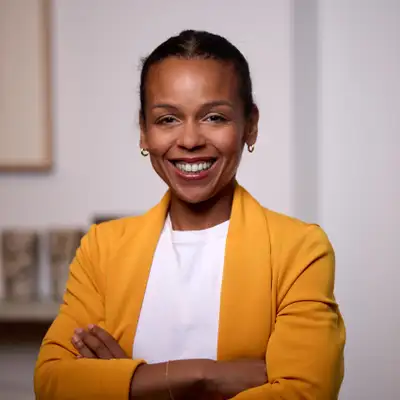
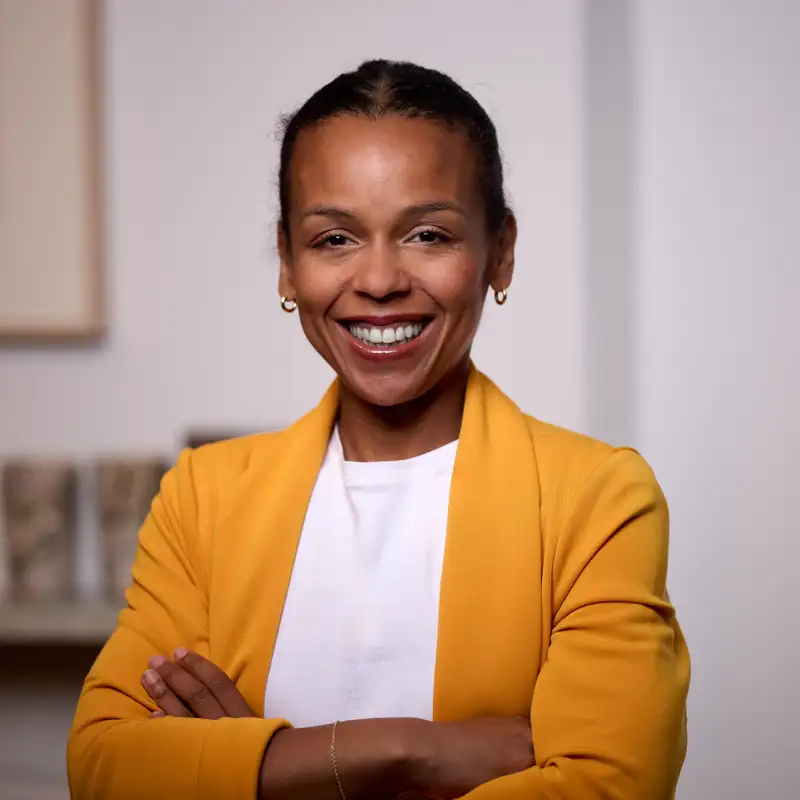
Rob Lee: welcome back to the truth in its art. Your source for conversations connecting art, culture, and community. These are stories that matter, and I am your host, Rob Lee, except no substitutes. Today, my next guest is a curator and writer whose work expands art histories through Caribbean, Black Diasphoric, Latin American, and Latinx perspectives. She is committed to research, collection building, and supporting artists through groundbreaking exhibitions and initiatives, including the Caribbean Cultural Institute at Perez Art Museum, Miami. Joining me today is Maria Elena Ortiz.
Welcome to the Truth in this art. So I I I I have a few friends that are Puerto Rican and I was floating some stuff out there. Yeah, yeah, yeah. So it this is just a full Puerto Rican podcast right now, just so you know for context.
Maria Elena Ortiz: Great. Then I'm in the right place.
Rob Lee: So what was it like growing up in in Puerto Rico and and how were you first exposed to art? I like to go back to early early memories. So if you will, please give us the lore.
Maria Elena Ortiz: You know, um so growing up in Puerto Rico, um I feel very lucky because I grew up in the Caribbean, uh it was summer all year. I didn't realize what that meant until I moved to uh place that was not all summer here.
But the beach was there, you know, and always open, um, only when the hurricanes came, right? Um and you know, I live in a culture that you know, family was very important to this day, it's very important, uh food is very important, um uh grandmothers, uh fathers, grandparents, right. Um, and then And of course, you know, it's also like a US colony.
So, you know, the power goes off, like it's still to this day. Um there was always this kind of tension I would say with like the diaspora, you know, because you always um had somebody from your family was not in the island. So um from very early on I kind of noticed things that would later informed my work when it comes to kind of the Caribbean experience, um, you know, the black experience that um informed my practice. At the same time, you know, I think this question of when you experience art the first time is a complex one because I do remember my parents having some sheets of Piet Mondrian um and seeing that as well as you know, we had a print of a very famous kind of impressionist painter, uh Francisco Yet from Puerto Rico. So those are images of high art, but in reality, um, you know, music, food, um kind of the gigantes mask, like all these other parts that are more of everyday culture were always part of our upbringing. And they're always they're always part of the ether.
In part, um, probably as you probably know. I mean, uh which we're just met, but I would imagine that um uh when you are pr presented at least this has been my experience, when people are presented with uh moments of uh challenge spirituality arts are always the same in grace. So um um in Puerto Rico you see that all the time till this day, you know, like being creative, not only in ways of living, like you know, sometimes you have to figure out how to uh you know, save on water and and this other stuff, like everyday living. Creative is very important, but then just like also those kind of creative outlet of food and and drawing, painting, sculpture are also very um dancing, you know, music are very persistent in the ecology of the island. And of the Caribbean for that saying and you know, then we can go into the American South and all this other moments. So I think that um yeah.
Rob Lee: So what you're saying is I'm gonna learn a lot today.
Maria Elena Ortiz: Uh maybe, I mean we'll see.
Rob Lee: No, no, I I but I I I thank you for for that and it's it's funny where, you know, in part of the research I do. I go back and I listen to like old interviews and I was like, Yeah, yeah, yeah. Um I I know that part right there, and then there's a bit more that was added, and I like that you you sort of broaden that exposure piece to not purely sort of that that fine art which you know is often sort of the the the precursor, but folks always leave out those sort of more culturally oriented things like hey, you know, food, dance, sort of all of these different elements, they make up the sort of you know, sort of full ether, the full ecosystem and it's it's a spirit there, that's not just one thing, and I think at any spot. Yeah, yeah.
Maria Elena Ortiz: Definitely, definitely for sure.
Rob Lee: So the second part of this, and especially with the folks that I've um interviewed, especially from, you know, my my weekend or really three days in New York, um I I I've run into some personalities, you know, so I definitely want to hear a little bit about this if you if you have something in this vein. But who were the artists or the artistic personalities that shaped you, you know, early on like in in your career,'cause like you you have like you're one of those influential voices who have you and so I again go into that early territory, who were some of the artists or personalities that shaped you like early, whether it be I want to pursue this or early in your career like this person, you know, l maybe positioned an opportunity or work with this person early on or always was in awe of this person.
Maria Elena Ortiz: You know, um kind of touching a little bit of what I was saying um earlier, even though I feel uh blessed in terms of the place where I was that I grew up, it was also very and and also I have to highlight I probab I mean I grew up in the nineties, probably one of the best decades in terms of growth that the island had, um in terms of economic stability um it was still very chaotic. And there was still a lot of things that you would see on a daily basis.
Like even though we live in a nice neighborhood going to school or going out in the city, like drug addiction was a big thing that you would see all the time. Conversations about, you know, the status of the island, um dina racial dynamics, dynamics of wealth so I grew up seeing all this tension and and chaos in certain aspects of my life and the work that I r gravitated the most was work that would help me think differently and in an expansive way about the realities that I was seeing. So for example, um when I was in my early twenties an artist from Puerto Rico did this uh project called Bela Parking Services, which is like kind of like watch watch watching over services and is the artist named Joseon, he's still alive and at that time there was a big movement of social practice in the island and that is like kinda that deals with the social sphere, almost like a social sculpture and what he did is that because drug addiction was and still is a big deal, especially at that moment with heroin um he and you would go into places and again this still happens where people would ask you to wash your car and if you do you know they were not really washing your car, they were like, you know, kind of asking money for drugs and if you did not give them money typically they hate they damage your car. So you would just give them money because it was a way to keep your property safe and this would happen like um in like you go into I don't know the old San Juan like tourist people, you know, places that this was not only for like the bad areas of the island.
It's where were people places of commerce and um he did a project in which he created an agency which was Vela Bargain Services and he gave um uh like a uniform to this people. So suddenly this um people would approach you dress in a particular way they had a logo and they had a kiosk and um and it was a way in which he was visibilizing a pro a problem but also giving them some type of agency beyond being um uh drug addicts if that makes sense because sure they were um dealing with addiction which is a a very difficult disease and because of that you may not even treat them as real people but by him giving them you know a an aspect of labor into their identity he humanized it in a way that made me think about their condition in a different way. And so that was a one a project that again kinda pushed me to think about my reality and and culture in a different way. Um you know when I grew up in Puerto Rico I did not um think that I could be a curator. I didn't know what that was which is the reason why I'm always happy to, you know, when you said oh I cannot believe we're we're talking I was like well I'm always out for talking and sharing because I think that there's probably a lot of people like me that they never thought that they could have a role in the artist industry.
And I always had a story that's a true story. I started, you know after I graduated a high school in Puerto Rico, I went in uh went to B U Buck University for two years. Then um my family couldn't afford it anymore and um and at the time my mom was moving to Texas and she said why you um um go to um college in Texas. And I was like, no I'm going back to Puerto Rico.
Which was a great you know it was kinda you would think oh yeah that's in responsible but I that's actually when I got to meet all this artist that kinda shaped my my life and also um uh kinda the other contemporary conversations they were having in the island. But then I ended up moving to Houston after uh because in Puerto Rico they didn't um validate my American credit, like another kind of dynamic of the colony. They just don't it's just not you know the the in American university wasn't wouldn't transfer. So eventually after eight months I decided to go back to an American university and did Iuston in in in in the the the the University University University University of of of of and it was there that I you know I was I was major in anthropology because I felt like my parents would understand that. Um and then but I would always take our history courses. And it was almost like I make my my own visual studies kind of degree and then from there a professor of our history was the one that said to me, you know, I think you get going to be a curator and you should look into that.
I didn't know what that was but then I said to myself if I fell the LSAPs, which I didn't fail but I just didn't get like an amazing score, I would go into curating and that's how I got into things. So certainly you know, I do believe in the power of higher education. It helped me and it wasn't necessarily that that a particular degree got me to where I want it to be but was really being in conversation with other people that had intellectual curiosities that had other you know I think that's something that university does too. It brings together different people from different backgrounds. So you kinda expose to different ways of seeing the world and that also helped me a lot to pursue this this path.
Rob Lee: Well thank you. That's um see like I say you let the guests cook, you know, so you get a little bit more out of I I appreciate that and yeah it's you know I think the exposure thing is is super important.
I'm always I'm always curious about that of how some of that early exposure or what those points of exposure in one's sort of story or one's lore you know lead to you in a certain direction um'cause I was like Elf As like what? You a lawyer home run it back you know No, no.
Maria Elena Ortiz: I did took the LSA but I think I got a I think I got it like one forty three or something. Which I could have gotten into some schools in Houston but I just I just didn't you know I I just I was more seduced by kinda jumping into a new thing that I have no clue about but I really enjoy talking to artists and thinking art and culture. So I thought like why not? Like that's the worst if it happened.
Rob Lee: So y we were touching on this a little bit which goes into this this next question. The the role of the curator means different things to to different people. So since I have you here you're such a such prominent person, uh prominent curator, right? Oh these different things I'm just a lowly podcaster.
Maria Elena Ortiz: I'm over here I've talked to you
Rob Lee: podcasters are the new like um T V like fame people. You you might be right.
Maria Elena Ortiz: Yeah, come on.
Rob Lee: But because but how do you define like curator, the role of a curator and why does it matter?
Maria Elena Ortiz: A curator can yes, a curator can be many different things. It depends on where you work. Like first of all if you're independent or you were in an institution. I mo most of my career has been in an institution. Um so I can although I've done some independent work as well. Um so uh to maybe I can describe what I do because I think again it's kinda I um I work for museums, I uh help them build collections, I also make exhibitions. I also manage exhibitions when, you know, they're being their traveling. I also have co organize exhibitions. I also write and publish uh um a lot and I so I also serve as an ambassador to the my institution and to the artists and the art histories that I been working on for my entire career. So you're I always say people that we're like kind of across between politicians and um and car salesmen because we're also kinda you know there's a lot of politics involved specifically within the institutional realm'cause we serve you know the people and and and I think that's one thing why I continue to work in museums because I do believe in the museum as a civic organization as a bastion of culture and creativity. And it's important because um you know art and culture is a kind of those innate like spirituality.
It's like an innate human faculty. So if you have a place in your community that you can go see art, you can go exp experience it, um and with others, that's a way you build community and community is at the heart of what we are as a species. Um so some some things that I do, maybe not in a more direct way, um or self self aware is building community. You know, by kinda gathering people around certain topics, things that revolve around art.
Rob Lee: Thank you. Yeah, I've I've had conversations with, you know, curators who they say, you're doing this, there is it's like which you have a curatorial eye. I was like, what do you mean?
They say, how do you select your guests? And I start talking about the methodology and they're like, yeah, that's that's what that is. And that's that's interesting.
And you know, when I think of arts and culture, just macroally speaking, you know, I I just put in this very simple, almost visual lens. It's like it's the seasoning. It's a seasonal life. It makes things, you know, heightened. It makes things work. It brings people together.
It does all of these these different things. And I think often the power and that value is is sort of overlooked. And that that component as well as you were talking about as far as like being in the institution. It's it's just sort of like allowing and serving in some ways as is a conduit to to the people because sometimes there is a disconnection that can be there between institution and artists at times.
Maria Elena Ortiz: Definitely institution, artists and also communities. And I think that like you know sometimes there's a lot of attention put on on defining what a creator is in the part of the selection. Which sure, you know, um uh that's important and that's where a lot of power um visible lies but there's something out like process there's also something about um um kind of how we relate to audiences um that is equally important and that you know I I feel like sometimes there's too much emphasis on like kind of defining it as a power player that selects artworks or artists when I'm more interested in how those artists and artworks connect to our community and how we're all together in conversation.
Like I I'm more interested in the conversation part of kind of bringing all this people together to the table because that might require me to select somebody or some artwork um that might not be a hundred percent of my liking. Because at the end of the day, you know, I and and that's why, you know, we're all good, we're all great, But at the other day sometimes you're like deciding between having chocolate cake one night or having chocolate cookies. As you can tell I really like chocolate. So it for me is one of those two you know so like um or cake.
I love cake. So like in all this way all this to say like you know there's no art or there's no artist that is inherently better than another one. It's just what resonates with a particular group of people at a particular time and I'm more interested in that.
Rob Lee: And that that is it's a good thing because that it actually knocks out one of my later questions I can remove that and it ties to this one observation before I move into this question about um the the uh Perez Art Museum Miami so I got a question coming up about that but yeah you know w I because I do this I don't have like an arts background. I do this and I've been doing this for a while and I wanted to be an artist when I was younger like illustrator right and um so when I go to the fairs and I get invited and I have the opportunity I'm kind of approaching it like what speaks to me, what things to me and from there I'm kind of building where do I see the story. I'm applying more of a journalistic approach to it and when I talk to my friends who I'll see in New York where I became aware of you um it is generally I'm talking with artist friends they're like ah man this work is this I can see this stroke.
Well I don't really think this work has this, this and this. They're approaching it from from this angle. But now with some familiarity and time around it I trust in what I'm looking at from this not necessarily feeling like man maybe I don't get art because I'm not having the perspective they have. I'm coming at it from a different lens and I think being more comfortable and aware of that has been been helpful um in part by being exposed to it and kind of repeating it I suppose.
Maria Elena Ortiz: Yeah definitely no and that's great. I think that like we in our industry we have to fight against um those types of process and mechanisms that have alienated people. Um, um, Because I don't think I think in the world that we live today again we just need more community, we need more changes, we need more of those relationships versus me telling you um this is the best thing and you need to like this. You know, I I want you to share I want to share what I'm looking at that I find interesting to share in a way that um you know you can you're you can receive it. Versus this is what you need to
Rob Lee: like when I was at the Hombury show I saw um Bonnie's work Bonnie Romerous's work and I immediately I got it because I got it was it was funny because I did the interview not long before that.
Maria Elena Ortiz: So I was like this is all your craft together in one thing and I'm really like in it and I'm like no glazing at all. I was like I really am passed by this is amazing and you know talking talking with him during that time and getting that that rundown on the work and that description directly from him it all just made sense for me and it felt like I had some degree of growth.
I was like, okay I feel like I'm around here because I understand this right now. Yes. Yes. Well probably also because to references it might be familiar to you as well. Mm-hmm.
Rob Lee: Mm-hmm. True. This is true. This is true. So you say you make make me feel like a l know a little bit more. So thank you for the thank you. Thank you.
Maria Elena Ortiz: You're welcome.
Rob Lee: Um I wanna go back a little bit um before I go into the the Yomory show questions. Um so you founded the Caribbean Cultural Institute at Perez R Museum Miami. What was the vision behind it and w what drove you to to building founding it what was the the sort of drive tell us the story there.
Maria Elena Ortiz: You know when I came to the Paris Museum Miami um I came at a very exciting time where the museum was reopening. It used to be the Miami art museum and um it was reopening as the Paris Art Museum and a new building in downtown Miami and there was this effort to connect the museum to the communities that it um that represents Miami. And you know Miami like really the majority of cities in the United States are minority majority cities, right? So they were interested in kind of showing those histories and really positioning Miami as a center of culture and um and being proud of that. And that meant embracing its proximities to a Caribbean diaspora and what and what would it mean to rethink Miami as a Caribbean city. Because like even if right now um you wanted to go to the Caribbean from a lot from Europe from California you most likely gonna have a layover in Miami. And so there was that intention there but, you know, so I did a lot of shows that involve Caribbean artists and also other members of the team were making shows that you know was not just me, you know, at the time so I'll strender was uh that was the chief curator, um Dianawe was a curator, René Morales was a curator, Danny Nazi was built towards that museum Miami was also uh working there. And a lot of us did work that um connected to the Caribbean.
After all that was done and not all of the team members you know at this moment some of those team members were not there anymore. Um we were all in a strategic plan and that's when the Turing Cultural Institute came about as part of that process and it was really also a response to the fact that even though those exhibitions and publications and those programs are very popular and very well attended it still very hard to fundraise for it because you know you have to you know try to get funders that are interested in those uh programs. And also I think that there was an interest to there to kind of create a platform within the museum that can create longevity for such initiatives.
And by h by creating a kind of discretion platform that would be dedicated to this to this region and to the subject conversations then potentially we can counteract the more um kind of standardized process of exhibitions, collecting and so on that happens in museums. At the end of the day museums are very old structures and even though Pam was a fairly new museum and it was the original Miami Air Museum was founded in it was started as a stale in the late seventies eighties, you know, so it's quite new compared to like my current museum was founded a hundred and thirty years ago. But like wha so it's still a very new institution but the model museum itself, like the way they operate it's still quite traditional. So even though we're dedicating to represent uh you know the the communities that are in Miami that are very different to the way that museums first emerge in this country, the way it operates can still m mimic those old process, right? So it was a way to kind of um give some nimbleness right to the to the program and to kind of the issues at hand.
And it you know I worked on the foundational grant from the Mellon Foundation of a million dollars and after that, you know I hired a uh Critorial Fellow that's now leading the initiative and the the C CI d recently got another s five or seven million dollars as a donation. So so certainly it's it's important in the institution as a viable option to kind of dedicate to the cur Caribbean art. Um it's still very um uh it you know seems like it has longevity right
Rob Lee: yeah and it's uh and I think we're gonna be expanding on that sort of subject matter and the the last question that I have here I could already see it. I'm looking at it right now and trying not to like tease it and not try to bury it.
So that's in the page advice I'm sure is gonna come back up. So um let's see. I wanna wanna shift gears a little bit um into the like a big chunk of this this this conversation here armory show. Let's talk about it. Let's let's let's get into it.
We're a few weeks post Armory show time to reflect. So could you take us back to your involvement of reading the focus section, raw alchemy, the Caribbean and its diaspora uh diaspora. Uh how did you arrive at this framework? I have a bunch of other questions here, but at least what to start off there.
Maria Elena Ortiz: So when um so when I was invited to to do this I was very excited because I I've you know I I I admire the Armory and all their efforts and it's a fair that I've been to for a while and um um so it's really exciting really happy.
At the same time I was a little bit nervous because you know um the art market has been kind of shaky and you just you know never know what's gonna happen and and even though I'm a curator so like my I don't sell artwork. Um you know you want people to do well. So um and you want because at the end of the day which is something that I it's been really great to be as I'm part as having the opportunity to work at a fair index capacity. Because I've done talks at fair and stuff like that, but I never really um curator section. Um it was very interesting to see kind of the gallery side, the commercial side and I earn a lot of respect to galleries um they really put the financial capital first to support artists and for that I'm always gonna have um a lot of respect for them.
I think that often they get kind of like the bat rap or they just want the money and they just want this and that but at the end of the day they're the ones that are supporting artists get put on the table in a very direct and visible way. So um um that was a little footnote. Uh so basically you know I knew that I wanted to um that it was gonna be focused on the Caribbean and um and that we're gonna get applications of uh galleries that we're gonna present Caribbean artists. I also for me was important to kind of um you know present my vision right or how I experienced the Caribbean which is that only from um kind of the local the locality of the the Caribbean basin and the islands. So that's why it was very important for me to have galleries and spaces that were based on the region or have a track record of being on the region for a while and then also the diaspora because I think that um kinda going back to those earlier experiences when you grow up in the region you don't realize that the chances of you migrating are really high because you probably already have a family member that's out there and and there's this the like the Caribbean experience is in essence that they are storic experience. I mean at the end of the day part of our ancestor you know were brought in slave and brought into that area and also the indigenous communities that were living there were also you know kinda migrating to the region and the Europeans that came were also kind of migrating to the islands and it has has those all those cycles right of of of diaspora. So so having uh representation from the region, having diaspora was really important to me as well as having the most kind of representation from different parts of the Caribbean. Specifically like and by parts I mean the linguistic part.'Cause if It's like the the English Caribbean, the Spanish, which I'm part of, um, the French, the Dutch. So I wanted to have at least uh the most that I could from those different um uh three par parts of the of the region. So that was kind of like the main thing.
Of course it's in the context of affairs so you know galleries um and so galleries play a big role because first of all you have to have a gallery that wants to apply and wants to all this other stuff. But I'm really happy with the way that it turned out. I think that um you know, I I really had no expectations given like the context of the world and all that and and sometimes to me that's like the best way to go into things, just you know, or just sex expectations at a realistic point. Um and so I have no expectations, but then once it all kind of came together, I was very um impressed by not I mean I already knew the artists were great, but but I was also impressed by even the fair conceptualizing a focus section, and what I mean by that is that you know, a fair like Armory, like many other fairs are so big that you see so much art, but then when you have like this focus, literally, like this kind of moment to just look at one particular corner of the art or center of the art world, it gives viewers a bit of more um um cohesion and it kinda lets I think that that artists and their context uh kind of become stronger together and and they present it really well. So I think that was also I think that in a lot of ways um everybody benefited from just participating because it kinda gave each other a bit of uh more context. You know. Yeah.
Rob Lee: And to and so y you were you were touching on sort of the you know the the process and what the intent was with it, the the framework. And there's I see almost what, two dozen? It's almost two dozen international exhibitors. How how is that process of navigating and working across many voices and and perspectives because twenty two is the number I'm seeing. That seems like a big number.
Maria Elena Ortiz: So how does that you know, I have to say that once I got there the first day I was like, Oh wow, I've been working on this. I cannot believe it. So, you know, to be honest, I was impressed myself. Um um, y the the fair has a great team, you know, Kyla, the director of the fair, she's amazing. Um my respects to her and her vision. Uh so uh d you know, when you work with so great collaborators, you know, Meredith or uh Zoe are led, there were so many great people from that team that um I you know, I was extremely impressed by Armory Freeze and all that. Um I also I think that often and this is the way I lead all my projects, I really like to be authentic, right? And to um um create spaces for conversation. So and I understand that for some of this galleries because you know when you're based in the Caribbean or anywhere you deal with Caribbean art, you're most likely you know, you're not house and worth.
You're not um although house and worth the South Korean artist and Hillotero and so on. But you know, the the the focus section gets um it's certainly more for um uh mid size to emerging. So I understand that the financial capital they're putting in is is quite valuable and I was always very kinda um um transparent of like, you know, I I I know that there's a lot of effort being put into and and you know, I respect all that. I admire the artist, I think that they're great. Um I I don't know the financial upon investment, you know, but I do know that the cultural investment that you're that you're doing is significant and that's all that I can you know what I mean, like like for me the cultural value it's there. Um um w w so I think that like when you are honest about my intentions is to um validate, elevate and show how great your program is, how great this artist is you know, you start building trust in in in our process. And ultimately that's invaluable, you know. So I think that like being able to to come together to support somebody.
I mean how are you gonna put a price tag on that? So I think or you know, I mean, so I think people start seeing value in in a different way. You know, and they also and I think that what I'm learning, which I also did not know, is that when it comes to fairs, um uh sometimes the in the the financial capital you actually get it six months after the fact because it's also a lot about marketing and and having exposure. And and that I also and I that also I think it's it's it's something to think about.
You know, if you're if if you have a an artist that is um uh exceptional and they have never had a show in New York, this is a time to expose them to a new audience as into a new people. So um just showing you know, just thinking about value in a more creative way, not just about money. Because and I think yeah, again, money's important, we all have to eat, but I feel like in our culture, that financial value there's around balance in this all different types of capital, you know. Like there's human capital, f cultural, uh financial, resources, the environment, you know, and and and just trying to create more balance within those um it's also part of of of what I'm interested in.
Rob Lee: That's that's the thinking that goes into navigating, starting off with that intent, that cultural value that's there. And as you were saying, you know, money's important, you know, chocolate cake is not free, um, let alone the cookies, you know, let alone the
Maria Elena Ortiz: chocolate cookies, you know, that's oh yeah, especially the good ones.
Rob Lee: See, we were we're gonna have to hang out. You're a cookie person, I'm a cookie person as well. Yeah. Yeah. And then um and in this this sort of ties to it because I think part of it was covered in in terms of and and maybe this is not even uh a consideration in it, but the sort of audience takeaway, the folks that are engaging with the work, the w folks that are seeing it, you know, obviously the the financial component, but but maybe thinking through the sort of cultural component, like I'm going there to the armory show and I'm looking through potential artists for interviews and doing my thing to maybe do my part of extending what that voice and what that conversation is. We have this habit of liking to see the art but not hear from the artist.
Mm-hmm. I try to do my part around it. But um what were any takeaways or or feedback or many any aims that you feel that you've accomplished, you know, in that front as far as artists and engagement in that way, that artist and audience engagement rather.
Maria Elena Ortiz: Well, you know, I like I said, I was t you know I think that we forget that we are everywhere and that we've been everywhere and that our and and uh we have a tendency to like kind of devalue our production because that's what was taught, right? And um and what I found out is just like kinda honoring our value, right? And and realizing people are ready because they've been ready because they've been doing it, which is like that's been constantly being kinda tall told to us that it's not good enough. Um uh so for me i and you know, I have to say that also um uh when I started doing this, um the the whole project because of the work that we did at Pam, and I say we because it was not only me, you know, uh Frank Conservants that director has also been uh dedicated to the regional with the other curators and ships creators that were that were there.
Um we really started something damn a long time ago. And that really shifted um the discussions in museums in the US and beyond and also in galleries and artists. So a lot of the galleries and artists that I came first to my head, or they were already represented and part of the main fair and they had like big galleries.
So like um um and it pushed me then to rethink the approach. But basically what I'm trying to say is that you know, my section had a very focused for the Caribbean, but if you walk right now to any fair, you're gonna find a Caribbean artist. I have no doubt about that. You know. So I just kind of validated um uh mine and other people like yourself kind of, yeah, we we are we we're really good.
Rob Lee: That's great. That's great. See, it's you know, like I said, I'm always getting a little a little extra being able to talk to folks that are in the know and I feel like I'm reinforcing um learning but also filling in some of those solar gaps'cause I think for me it starts off with a a bit of interest and then sort of maybe that access. I'm like, oh I am talking to the right people. That's amazing.
Maria Elena Ortiz: Yes. Yes, totally. That feeling. Yeah, I know that feeling. And that was like on a personal level, like you know, everybody that participated, I felt like I don't know, I felt like home. Like like some of the artists, you know, I work in the past, some of the artists I've been wanted to work with. So it was also like a really great time at a personal professional level to just be in com being around people that I admire myself.
Rob Lee: I think as I put it in it when I was coming back, my my partner, she's um she's she's from New York and she was like, Yeah, well, I hung up with the Puerto Rican girlies back in the day. She was like, I was trying to get my hair like that.
She's like, I don't really have it. And it was it's always just that reminiscing. And um we were joking about like coming back, and she was like, So how was it? I heard you were hanging out with the Dominicans. I was like, I'm always hanging out with the Dominicans. And um but I told her, I was like, yo, I have so much unsolicited Spanish spoken to me. I was like, I need to brush up on my duo lingo. I was like, me listening to the music is not helping me.
Maria Elena Ortiz: I need to brush it on my French, that's what I need to do.
Rob Lee: Yeah, Look but I will say though, when I was at the the Armory show, you know, in in terms of folks that uh stop and spoke to, it was artists that I've talked to and I believe they were all Caribbean. It was just that was just sort of what it was. So again, it's just like I'm staying on target, you know.
Maria Elena Ortiz: Yeah, yeah, yeah. Well, and that's the other part that like I think that uh when it comes to the Caribbean identity um um or Caribbean migration, a lot of uh like the Caribbean has always been present in this country. Like, you know, we can talk about like the w you know, the most known Caribbean politician, right, Hamilton.
Um but also there's a lot of other people that were escaping, you know, um that I don't know about escaping because I don't but but basically people that have been displaced because of revolutions and because of political upheavals or because of, you know, being trafficked. It's like a lot of people that I mean Minnie Evans, um, she speaks about her past as having connections with Trinidad. So like I mean, biggie smalls, like so or even you know, some of the most um um kind of contemporary other contemporary entertainers like um um you know, Nicki Minaj, Brianna of course, but I keep forgetting, you know, Kylie Dinner's husband, who I believe is a Cassian American.
You know, I think that like um uh I'm sorry, not Kylie inner's um husband, um the father of her children. Um uh so there's a lot of Caribbean in our DNA. So I think that that's also like in a way when you when I hear you talking about the Dominicans or the Puerto Ricans, what I also hear, which I don't know but what I also hear is I see my culture in them. We share something that is like beyond that it's been silenced but there is a connection there um that is that yeah, that is kind of important.
Rob Lee: I'll I'll share this about uh before I move into these last two questions, less you real questions'cause I got rapid fire questions for you.
Maria Elena Ortiz: Um but uh my first job out of undergrad I worked in a Spanish speaking call
Rob Lee: center and literally I was like adopted. It was just one of the craziest best most transformative experience and it had nothing to do with the work. It was just feeling at the level of acceptance by the folks that were there and literally literally being told that I was adopted. There's a Puerto Rican dude there who looks a lot like my father. The only difference was the hair.
My dad's bald, he was not. And um and then just that and I just remember during that time, yeah, we had uh the the call center, it's like English speaking call center next to ours, and the joke was I think you got lost. You don't speak any Spanish and you're over here with us, so you should be over there with the English speakers and all of that and I just was there for like three years. They kept finding a way to get me to come back and work there because of that sort of connection and acceptance and it was just a just a fire experience and a great way to start off my sort of like career uh professionally and I always I think see something that's a connection there, that's a familiarity, almost a a cousin or something in a way. Yeah.
Maria Elena Ortiz: No, I mean I had that experience I was recently for the first time in Côte d'Ivoire. And um and I there were so many things that I felt familiar to me. Um yeah.
Rob Lee: So here's uh here's the last two of of these uh so writing, let's talk about writing a little bit. Your your writing has been published in books, catalogs, digital publications. From from that vantage point, uh what's I maybe missing or what has substantially substantially changed in like sort of contemporary arts discourse like right now from from your perspective.'Cause I have my takes when it comes to podcasting and things that I see as like, I don't know if it's a discourse. I just think it's just yapping. But that's in that area. But from your perspective, w what's changed around like sort of the discourse in contemporary arts in 2026.
Maria Elena Ortiz: Um, you know, I think there's something very interesting going on in terms of art and artists and language. Um I think that when you go to like things like the armory or biennials, um you see kind of a lot of this intentions of opening up the world. And I certainly think that there's a desire to kinda to kinda show different centers of the art world of the art world.
So I think that's that's a that's a shift and I think that certainly comes with kind of changing demographics. Um and I think that certainly digital media has impacted the fields in ways that I think are quite um uh healthy and by that I mean is that you know during the pandemic um there's like a group of artists that um uh that really benefited from the lockdown and specifically to be more granular during the pandemic even though they were already artists online and kind of putting their stuff on Instagram because people were forced to be digital artists that may have not been given the Lataday in a museum or an art fair were suddenly becoming more visible. Like I did a show with an artist here that was based in Dallas Jamie Holmes who he's from Tibet Louisiana lived for a couple of years here in Dallas and then now it's living in Florida in Miami but his artwork became popular on Instagram and he depicted images of his version of the American South in growing up in Tibetan Louisiana. So something he's not like classically trained or like he's gonna go to art school but somebody like him who's presenting like a particular image of American life was able to become visible within digital space. Same with another artist um that is based in Arizona and now based it before was also based here in Dallas. Michael Salvaral who he also creates uh paintings and images of his own migration story as somebody that was kinda born and raised in Puerto Rico and then have to migrate to North Texas also not traditionally trainer onto an art school but they're showing this different perspective that due to social media they're able to share it, it becomes popular and then DMs and collectors start guarding to it and I think that's a way of democratizing the system that I think is also valuable because you know um um just because you didn't go into this perfect structure doesn't mean that your work is not as valuable as somebody that did it just a different way it's just a different approach of becoming an artist.
They're both valid. Um so I think that is um um that has shifted and I also think that in this attempt to um create more bring more voices into the fold and because of digital media certainly the way that we speak about art is becoming more accessible and simplified which I think that is good for the social media space, perhaps not um for an essay but it's certainly have um value in that in that arena.
Rob Lee: That's great. But thank you for that insight and you know I I shifted w that last question into my rapid fire question. So technically we've done with the real question. So now you can take
Maria Elena Ortiz: a you can take a breather you can relax. I I I see I see the trap development right there. I'm over here acknowledging well um after this which you know I I have to go do my running workout so that's why I'm like ready to go.
Rob Lee: I I I'm lifting weights after this and doing some elliptical which is my
Maria Elena Ortiz: second session for the day I recommend it's so addicted. Yeah.
Rob Lee: So before we get into all of our physical stuff because you know we're here protein and getting uh getting a burn on um I got the rapid
Maria Elena Ortiz: carbohydrates
Rob Lee: We're in your carbohydrate. I'm
Maria Elena Ortiz: kidding. Anyway, good. You're funny. Uh, so here's here's the first one it's it's funny.
Rob Lee: Uh a meal that reminds you of home. That's the right one to first I don't know.
Maria Elena Ortiz: Landules, you know I don't is um also uh juyes um uh for all every Puerto Rican listening they know what I'm talking about I am a voy um of course Benin Tostones, you know um uh also Cafe con leche, you know a big coffee snob um um medalla beer so you can get at Walmart uh rum, you know um rice, anything rice caravan sauce like
Rob Lee: chickpeas, you know it's funny because I again I was just in Côte d'Ivoire and um I ate really well but you know all the food were like my foods. Rice beans and plantains and juca and I was like wow you know I guess that it felt like home you know you're here see y you went right to the carbs I like that because I was just like come on now I
Maria Elena Ortiz: got carbs you know and this is for another c this for another uh another podcast but carbs are have a bad rep that we need to debunk. You know, carbs are good.
Rob Lee: They are uh here's another carb uh favorite cake Oh
Maria Elena Ortiz: my
Rob Lee: I love cake. I think love that activate, you have to find the bad ass.
Maria Elena Ortiz: I love cake. Lately I've been eating this um Italian cream cake like that I get at um Central Market slash H to B here in Texas.
Rob Lee: Yeah. It's really decadent.
Maria Elena Ortiz: I mean it's actually gonna be worse. It'd be more decadent. But it has like nuts and cream cheese frosting. Um uh yeah, but I also like tres leches. A good translates is always, you know uh kind of hits the mark. But I tend to like a lot of like kind of frosting,
Rob Lee: like cream cheese frosting and like a white, kinda moist
Maria Elena Ortiz: cake.'Cause I love chocolate, but I love like dark chocolate, like the heart kind of version, kinda. Yeah.
Rob Lee: Like the the actual real chocolate, not that milk chocolate nonsense.
Maria Elena Ortiz: Well, I can have milk chocolate too, but like I gravitate towards the dark ones. Okay.
Rob Lee: It cause and it's c it's close to coffee too. So I mean uh
Maria Elena Ortiz: Yeah. I
Rob Lee: mean
Maria Elena Ortiz: I'm I love I love a trust left. I mean, one of the one of the jobs I had, they they had some in the office and it's like, look look at you will go there getting that wet cake. I was like, no, no, firstly, don't besmirch the name of this delicious cake. I'm gonna have two. I'm just gonna have two slices, just
Rob Lee: because Um, here's here's the last two. Um an artist you wish people knew more about just someone that just off the top of your tongue you may know, but we may not. Um just someone you're like, look'em up.
Maria Elena Ortiz: Oh my God.
Rob Lee: I know. Um that's hard. Um, I mean, there's so many. Uh I mean, just right now, Rafael Ferre just passed away. He's a big kind of Puerto Rican artist who was part of a lot of different movements from like he was hanging out with Lufe Olam and um uh also
Maria Elena Ortiz: um um you know on the Breton, but then he's also spent time in New York in the sixties, so he has like a big conceptual kinda um uh moment. So so he certainly kinda goes and he literally like passed away in his nineties. So I find him very interesting. It's kinda like that kind of diasporic kind of moving around different scenes which I can relate to. Um And then I would tell people to also I mean, you know, African contemporary art right now is really interesting, so I would also encourage people to just kinda investigate on that. Um um. yeah, I think those were the kind of the two things that that came to my mind. Because, you know, uh I like people like Basquia as well. People anybody knows Basquia, but I think that maybe the the African diaspora are are part of his practice is something that needs more more consideration.
Rob Lee: Yeah. It's good. Here's the last one. Um just a song that that takes you back. Like it could be a song that's on the playlist, a song that takes you back.'Cause look I got the I got my Spotify cued up. What's a song that takes you back home?
Maria Elena Ortiz: That takes you back home. Well, I mean a song that takes you back home is like anything that is like 90s say a tongue, you know.
Rob Lee: Like um I'm and And some of those songs are pretty, you know, like not a PG. But I actually, you know, there is a um in the nineties, it was this this song that's pretty bad. Like it's it's it's called Venina Ving.
que te voy a regalar un muñeco de cuera con la cabeza, pero Um you're gonna quit con la cabeza pela and I won't translate it because I think the listeners just go and find it. But I'm actually front row uh the well a video of that concert. And so you can I should post it on my'cause like if you can find me there
Maria Elena Ortiz: I'll you know, I'll give you the props.
: Um at that time I was also like almost three hundred pounds, so you might not recognize me. But um uh but certainly all that moments take me back home. Because I grew up when I was there, you know, when people would get when my friend, my neighbor who was going to private school got the tape that was like re-recorded from the re recorder that she
Rob Lee: bought
Maria Elena Ortiz: and how my parents were like, you're not you know, you're not gonna go to the concert, but then we would still go. And then how they would say to us that music is going nowhere.
Um and look at us now. So that's something that takes me home. I do have to say that if you I see right now what's on my playlist. Um I really like people like RuPaul.
Rob Lee: Um and all all their music is kinda like empowering to me.
Maria Elena Ortiz: So I really like kinda feeling empowered because I just love the artistry and like kind of that pushing reality like in a different way. So um if you like to dance and if you like to feel like, you know, a glamour. I would also recommend that.
Rob Lee: I mean, at six foot four, I guess that could only be a glamour and that not
Maria Elena Ortiz: Yes.
Rob Lee: Yeah. Yes, yes, yes. Yes. yes, yes. You have to get it, you have to get it. Okay, let's let's be serious as you close close out on this last question. Sage advice.
Um your work is dedicated to expanding art histories with a focus on the Caribbean, Black Diasphoric, Latin American, and Latinx narratives. What does it take to ensure the staying power rather than it being a series of moments or or just a moment? And I think this ties into different elements of this conversation, but what's your take?
Maria Elena Ortiz: I mean, I think that on a basic level, discipline. Um I think that sure, like you can create structures like you know, this is Caribbean Cultural Institute that you know has an impact of all this and and other moments within your career that are that are gonna have an an impact. But you have to stay disciplined to your north and you really have to um understand that um it is a marathon, it's not a race. And I know that sounds like kind of simple, but it's important because like in a when you're training for a marathons, like you cannot be peeking all the time. You're gonna need to recover. You're gonna need to have slow miles.
You're gonna need to then be able to sprint when you need to. And kind of realizing that it's not a straight line of progression, rather like a curved thing that might take you in a circle from time to time. But if you start disciplined to the cores and discipline to, you know, your own intuition and your own what makes you feel happy, I think that and what makes you feel passionate, you will persevere. And this career, like many other careers, it's a it's a career of perseverance, you know. Um it's so I think that I find a lot of um resilience on on that and kind of acknowledging, you know, I need to you know, take a break, recover, rest, and then continue on and continue committed to you know, to practice.
Rob Lee: Thank you so much, my friend. That was great as a marathon, not a sprint. And um that's kind of it for the podcast for the conversation that I have for you for today. So there are two things I'd like to do as we close out. One, just thank you, just gratitude for you making the time and coming on and spending some time with me. And two, any final thoughts, where can folks follow you, share your work, social media, any of that stuff, any final moments. The floor is yours.
Maria Elena Ortiz: Well, thank you so much, Rob. It's been a pleasure to be here. Thank you for everybody that's listening. You can follow me on Instagram at contemporary cheek.
Rob Lee: And there you have it, folks. I want to again thank Maria Elena Ortiz for coming over to the Truth in its art, sharing a bit of her story with us today. And for Maria Elena, I am Rob Lee, saying that there's art, culture, and community in and around your neck of the woods. You just have to look for it.
Creators and Guests