Yes, Please and Thank You — Georgina Coka Treviño on Cultural Strategy, Art, and Connection
Download MP3Rob Lee: Welcome to the Truth and His art. Your source for conversations connecting art, culture, and community. These are stories that matter. And I am your host, Rob Lee. Except no substitutes. Today I almost feel like I have a bit of deja vu here. My my next guest um feels like they were uh part of this run it back series, as you may remember. I've been going back through the archives and interviewing guests a second or third time and technically this is the guest first time, the subject I'm talking to today, but they were part of my discussion and conversation during my time in Austin, Texas a number of years ago, and my next guest is a cultural strategist and arts advisor.
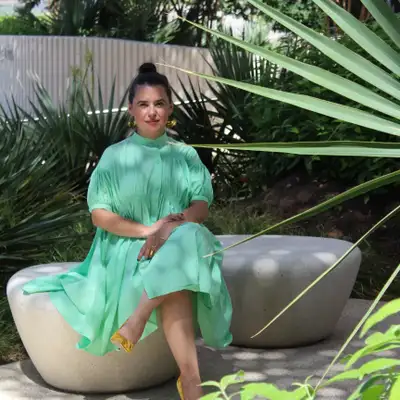
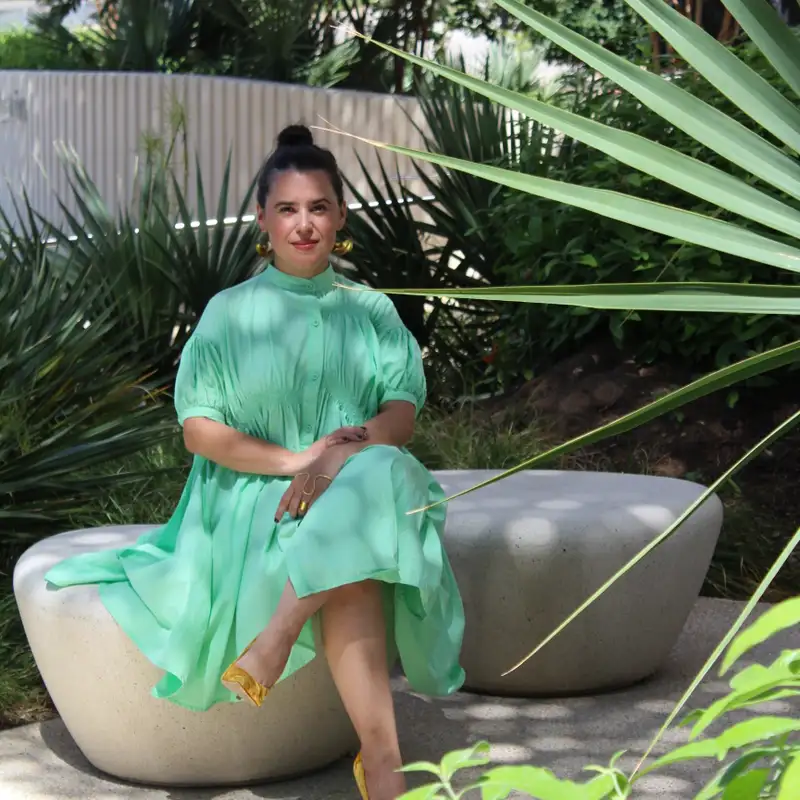
They're originally from Monterey, Mexico and have been based in Austin, Texas. She spent the last two decades working at the intersection of artists, institutions, and contemporary art. She shares her perspective through her new newsletter. Yes, please, and thank you. So I want to welcome to the podcast today, Georgina Coca Trebino. Welcome to the Truth in his art.
Coka Treviño: Thank you so much for having me. I'm so honored and this has been coming for a few years, so I'm I'm so so happy that I finally have the opportunity to chat with you.
Rob Lee: Thank you so much. And this is um truly a a treat and also, you know, as you know, this is this is audio mostly of audio experience, but I will say like I always appreciate right when my fellow the spectacled individuals are wearing their glasses. So thank you for wearing your glasses.
In a world where we get this lazy and these contacts when folks put on the glasses and they're color coordinated. You got the art aesthetic going right now. I love it, I love this setup.
Coka Treviño: Um I have to say, like I ha I did LATHIC when I was like twenty. Yeah. And it just started fading away and yeah, I was
Rob Lee: like, I didn't know it fades away. Wow.
Coka Treviño: Yeah. So it yeah, but I'm owning it now. Like now they're doing like cool glasses, so I'm like not against it at all. And it's just also like center yourself, lady, like you are older and like there's there's no going Here's
Rob Lee: to Here's the thing, well, my partner jokes about like because my eyes are shaped the way that they are. She's like, Oh your eyes disappear when you talk sometimes. I was like, What? She was like, Your eyes just go away. And I was like, You are making fun of me. She's like, You look like a cartoon, your eyes disappeared and I was like, No. She's like, keep the glasses on, it's only we can notice your eyes.
And then she has really big eyes, so we're such a batch, we just make fun of each other's eyes. Um but uh but but thank you for and uh and you're right. This is one of those things that you know, we we exchanged a few me emails.
I was e was in Austin and now we're coming sort of in this full circle, almost in a dotted circle sort of way, and we're gonna fill in some of those gaps in this conversation. Um but I want to start off with this this first this first conversation the first question. Um so going through the bio, thank you for providing all the information. Um you've had a 20 plus year career deeply engaged in art, culture, and the people making both. I read that you grew up between you know cultures.
So talk to me how that upbringing helped shape or guide the trajectory of the work that you've done connecting art, culture, and community is the tagline for this podcast is.
Coka Treviño: Um yeah, it's I I'm from Monterey, Mexico. Um it's kinda almost like border town. Um and my family from my dad's side is from Texas, like Rio Grande Valley, and I would spend a lot of time there and and in Monterey. So luckily, like I was able to go in and out of the US and Mexican culture. Uh also like I'm a like really into TV since I was a little kid. Like we would go to Salvador Island, like the small um Harry, like it and I would just go to um the apartment and watch TV and like eat Doritos and like talk about milk and Oreos, because they taste different to the ones in Mexico. So I would just I would tell people go to the beach and I'll just be here and I consume hard.
Uh the T V stuff. So I I I feel like I was very lucky in and I I was immersed and and once I decided to move here to Texas, the shift wasn't that hard. I I was already familiar and felt secure. Also I I had English classes, but not super focused. I just one day like I took a test and I was like, Oh, I guess I know how to speak English.
But I don't like I wasn't Yeah, it was the thing where things sound right or sound wrong. Uh and I guess like, yeah, T V um also taught me English. Uh anywho, um that those things and then going to college going to art school.
Um my grandma was super into fashion and she was would have like the latest thing, like technology and fashion. So also like going in and out and just having a very visual um stimulating upbringing and also like Mexico, you know, like it's they do things color and topping and I love it. Uh so yeah, all of that informed me and also ADHD hard. I didn't know back then, but that's that's who like those are the pieces of the puzzle.
Uh and just having like really, really um a love for for all things arts and culture while feeling like an outsider, like uh for like for real. I did not fit anywhere. Um I I was always got along with most people, but and I went like to um my elementary and middle school, I was all girls, Catholic school.
Uh my dad was an atheist and my mom was like super Catholic. So it was like the the attention was everywhere I I existed. Um and but I think like at the end they they created this uh huge tolerance for and flexibility in me. That um when whenever I was like struggling not not feeling that I belonged anywhere, like I was able to find those people in in the extremes and and like get tied together and and create together. Um I was also like very attracted to creative people and to different people. So luckily I was since college or even a little bit before that, uh I was just getting with the weirdos and the creative, but and that just really informed how how I wanted to live my life.
It was all about beauty and excitement and authenticity, I think. Um and so yeah, like from college to to growing up to like discovering the music world and being able to move in there and realizing like yeah, it's it's just this the type of people that give me a life. Um that yeah, I did that in Mexico for a while and then and some like really troublesome times in in my hometown. Um I was like, you know what, maybe this is the time to to use my other citizenship and go explore Texas.
Um I mean the US, but um Austin seems to be a a place where people were happy, very music oriented, it was close to home, so without knowing anyone, I was just like, I had like a thousand dollars and a backpack and a husband. I had no longer uh we we just jumped in and and started doing it and it was again like this urge for for a community for but also I think m very um importantly for me I discovered that it was like okay, what what am I gonna be of service? i'm gonna be of service Because my I need to have a purpose, I need to have impact. So okay, w where do I fit?
Um and and yeah, I was I was able to continue the work to work for for artists and uh musicians and culture in general, um, to be facilitating and to be like admin and everything that that uh made their work easier. Yeah. I'm just talking so much and probably just no, no, no.
Rob Lee: No, see I I I think that that is great and what it does is it sets the foundation where I'm able to as a sort of dotted line, dotted circle introduction I did, we'll be able to fill those things and subsequently with these following questions. Um but yeah, and and thank you for that. I I I love hearing about connecting a desire to connect with the weirdos.
And I I I too amount or weirdo, as you probably can see. Um and because I think having that appreciation for um just connecting with people. I think it's so evident now and having that that sort of true connection, but seeing the importance of it over the years and just wanting to be there as a scene of developing, whether it be music.
When you when I think of Austin, I think of Austin City Limits for sake of argument. Or um I had a um had a guest on someone recently who was from um Ciudad Warren and she she's speaking on sort of like how she views it and if she's a muralist and and and painting and she's based in DC and sharing sort of that story and making this really huge mural right there at the border. And I was like, Oh, this is a very interesting story. And thinking about the richness and when you mentioned like color and thing of that nature, I was like, that's the first thing I think of when I think of this person's work, you know?
Yeah. And um not and not to because someone someone took a shot at me recently, so um I'll be very mindful. Someone said I I'm too much word salad when I'm responding to people. And I was just like it's called a conversation. I don't know. So I'll I'll I'll lower it'll be 45% less Rob in this episode.
So um sensitive. But I I'll move into sort of the the next part which kind of I think sets us where we're at now. And you can answer it as in a typical day or maybe even today if you'd like but what is your day to day look like in the role of a cultural strategist. I'll use that as the term and an arts advisor like I think there are multiple things that make up what one's identity is but let's just kind of center around those those two.
Coka Treviño: Yeah um I I think like that encompasses all of the things that I'm doing uh and and that's the target to to be able to to um somewhat influence I hate that word and I know I've I've heard you talk about about it but it is about like maybe steering um culture. I I've been very lucky to be in in many different spaces in a couple countries and many yes just many spaces where culture is just extracted from and there's no there's no input there's no love uh or there's very little and there's only a few people like carrying it. So I it is very important for me that wherever I am I'm I'm investing and I'm putting good work and good practices.
So that's where the cultural strategy comes from. I am I've been working like with the Texas Biennial with Sonamaco with Ontario Art Fair but also like with Titos Han Vodka. like ha with the the different exhibitions the nonprofits and and work I've been able to touch a lot of different industries and everyone is just people and I think like a lot of practices is just seeing people that's humans. And because I have that um I trained eye I can come to different spaces and and point out like okay this is where you want to go like okay let's get you there. Like let's see your practices let's see how you um move let's see see how um what language you're using because language is so so important and I'm being very focused on it right now um on on how you want to talk to people and how you want uh people to get close to you and not for the the manipulation that is like the social media and like ads and stuff but into like if we want us together and if we want community to thrive we need to know how we talk to each other and and to figure out what is it that signals threat or signals um lack of alignment and what what actually connects us to to speak together. So it it is um that's kind of like the big um scope but I talk to artists uh I'm I'm lucky to have like a really nice clientele of people that that talk to me and in different stages from uh a nonprofit um woman that's wonderful and it's trying to do a shift to the people she serves and just sitting with her and questions and and just like accompanying her into and to be able to to reach to the clientele that she's um now interested in surveys and uh two artists that are have really really good but they don't have the words or they they're not um communicating what they need or they need like to to selection of what art they should choose to to put into specific um I um yeah it it is um all the different things um culture I also I'm reading a lot and I'm doing um a newsletter a monthly newsletter that I'm very excited about uh so a lot of taking in um inspirations from that and writing and a lot of thinking it is ridiculous but a lot of thinking and I kind of love that and meditating I'm trying to meditate a lot uh just to balance all the information in my
Rob Lee: brain meditation is is a big thing and I I was definitely modifying and updating my questions uh a little bit to be be reflective and there there was a thing that's not one of the questions that I sent you away because you know I'm not a hack I like to share the questions beforehand with the guest.
Help them get the juices flowing. But you know w one of the things that I I like that you were you were touching on is sort of this, you know, notion of helping someone articulate and and show what their work is about and what their work looks like. And I think a lot of times folks that are in a creative space and I struggle with what I do is whether it's creative or whether it's archival or journalistic, what have you, but trying to package it in a way because I don't think it has those those boundaries at times. But I uh and maybe this is a little gauche, but I think of the way that Rick Rubin described what he he does, right? Like I'm really good to paraphrase, I'm really good at articulating my taste. And I think taste um is really, really important now as everyone is floating around art, everyone is floating around creative, you know, you have tech bros being guitarists, and you have AI, you have all of these different things.
Coka Treviño: And I think everyone's like curator.
Rob Lee: Right, right. And and I think it's something important about having those standards and knowing what's good and what's not, and I think I value my taste. And I judging by what you're wearing, you have taste as well.
Um but uh I think it's really important about having taste, being articulated, being able to share it. So with that being said, how did you go about developing your taste? Was it through education? Was it through time? Was it the adjacency? Talk a bit about that.
Coka Treviño: Yeah, um I it's all of it. Um a lot of it is natural and just very being huge admirer of nature and and color and shape and like just the basics to being in love with flowers, like flow I think like flowers give me so much uh from my grandmas having like beautiful bogambilia and and other like figs and stuff around and just noticing a lot. And then I yes, I did go to school, but I and that shows me the basics, but I feel like it's that's cool the education that I got is very like western centric or European centric, and so I really try to stay away from that, or whenever I'm appreciating things, like remind myself like, okay, is this the training?
Is this what a I we've been imposed to, or is this like real connection. So I think it it is like just from nature I mean nurturing and and just loving, but a lot of loving what my surroundings and a lot of being uh the capability capability to be amazed by everything starting with nature. I think like that gave me uh really good sensitivity to to just notice things. Um but also like I've been in this career for over 20 years, so I've seen a lot of art, I've heard a lot of music, and I have an eye for things that are gonna have relevance and longevity and other things that might fail, or other things that are just pretty and they will give you joy. Um so I it's experienced, but I think overall it's uh a lot of curiosity and admiration for what is.
Rob Lee: That's well said. And it makes me it's it's a consideration that I have and when I'm doing this of like realistically, right? Folks can come on, oh I'll get to talk to a guy about my work for 40 minutes, an hour have you. I was like, sure. People will love talking about themselves. But what I aspire to do and what I try to do in this is have something that's intellectually curious, something that is that has some taste because I can get someone like you that comes on with as you you touched on 20 plus years doing this, developing taste, having taste, and having these really strong connections, this really strong background and this work ethic. I don't want to have someone anyone, but much much less someone like yourself come on and I just come up with like whack questions or questions that don't have much merit.
I try to make the guest think a bit, make the subject think a bit and actually engage in a conversation that's worth their time and worth their effort, and really can share something that carries over to maybe the next curator, maybe the next art strategist, maybe the next you know, arts advisor or cultural strategist. It's like, damn, I I learned something from from Coca. See, now I'm here, now I'm here. We we're here.
Coka Treviño: I love it. And I've uh it's part of the the job that I'm doing is also I mean I've done it in the past, but now way more intentionally, it is really uh research the people that I'm spending my way uh my time with. Uh I for any new client for uh any new engagement, I go and do deep dives and making sure that it's someone that I'm aligned with and that we can have an exchange. Uh 'cause it it is really important for me that we both get something and we're authentic and intentional and but also it's it's um sick of uh extraction system. Uh and so I really wanna make sure that that we're both I'm in alignment and that I'm not gonna be having to um defend someone in the long run because it was an awful people and I just didn't pay attention and then I have to defend why I was with them or why I was linked to a a person that it's not aligned with me and my values.
Rob Lee: And that that definitely lines up with the next question you already kinda answered it and I'll just kind of respond with sort of the the things because like in in in doing the research I'll see like authentic voice comes up so much. That's a big piece of it and the importance of being authentic and in your work and not being trendy um not being like looking at those immediate rewards. We're in the same age bracket so from that microwave generation. I
need it now I want it immediately. And I I've realized and I've gotten more comfortable with being I guess what people will call a slow burn. Oh, you actually have to think when you're listening to this, not like, oh yeah man, so here's a uninvolved question. Here's a question that really gets to the superficial of the subject and you have someone who has two decades of experience in an industry or working with so many different people and you ask them about what they did in the last six months, maybe you should, but maybe there's a whole litany of things that allow them to tell their story.
Coka Treviño: Yeah I it is part of trying to change systems and and why I appreciate you on your podcast so much. Um I I just can feel the intention and I can feel the the break into the automatization of everything, like just getting a context back to back to back and make it flowy and put like highlight words here and there. Like that is just for consumption. Uh and that's not what we're into. Um so I do appreciate you being super thoughtful on on the questions that you sent. It was uh I sort of expected something but just reading I was like oh my god yes I'm I'm with the right person like it is it is just you see me and I see you and I think like that is highly important for exchanges like this.
Rob Lee: Yeah it it's like we we look in sort of the the podcasting space and I know that Austin has a big sort of podcasting universe there and we look for the opportunity to clip it, you know, and I don't really like that. That's in the same way as if let's say if we're being told that newspapers did, right? You know, print, then podcasting and in newspaper have some correlation. Like you know they would say back in the day like the headline it's like that's a gotcha piece. Did
you hook them yet? The clip is the same purpose. The clip is the same thing. And
I see more and more people reaching out. It's like hey can you send me a you know 30 second clip of your podcast. It's like this was a two hour podcast. I don't think it's gonna be indicative you're looking for the gotcha thing like a newspaper headline. It's like this is not serving the guest or you're just making content as you you you touched on and I don't know if it drives or adds to the canon, if you will. Um Yeah.
Coka Treviño: so moving yes you got it. I know, like, we all need money. I need money and it is really hard to yeah I it's really hard to step away and make decisions for like I'm not gonna take this money or I'm not gonna make it that easier. But I do think like it's long lasting uh working in nonprofits and working with with artists one on one for for a while has taught me that it if you do this thing intentionally again intentionally like doing this step by step and and being aware and and really committed to reality uh and to hum the humanity uh it it is something that will take you a longer ways and also that gives you a more discernment on what is good and what will last and uh what is just there for fun.
Rob Lee: Yeah, you know it won 100% it's you know and it in going through it like as I get closer and closer to that the one thousand number as I was sharing before we got started, you know, I I think about that. I think about like what was the actual purpose it was the merit here. And I spend so much time, much more than when I started um making questions that I think of like nah what's the question that's gonna stump them or what's the question that's really gonna have them open and you know one thing that you'll you'll be getting you don't have these because I hold on to these. You you've listened to the podcast but you know what I'm gonna talk about. You're
gonna get those rapid fire questions later and I've added two of them based on something you said earlier that you're gonna probably think it's like you remember that? It's gonna be so random. Your glasses are gonna fall off. It's gonna be funny. I'm
ready. Um so I want to move into um a few of the things that stuck out that I saw earlier and you mentioned them earlier Texas Biennial and I was going to Mako and and a bunch of other like things that you've been involved in. It's just like a laundry list. So can you talk about an experience that stands out being involved in these really big name sort of arts and culture oriented events and and in and organizations like the work that you've done that's been formative in shaping how you approach your work your work today. Um and to give you sort of a moment to think about it I I think of I mean folks ask me about like what was a really great experience for you when doing this which makes that conversation between um uh what this is and being uh more aligned with art at times. I did a I did a digital storytelling course. And
a lot of times you put a podcast out there you hope someone listened to it. You don't know and I had to do something in a class and I got peer reviewed. Everyone in there got peer reviewed and I was really it was a it was making a video and I cheated a little bit. I was like I'm a video guy I made some audio and then I did some weird stuff with the visuals to make it seem like a video but the storytelling in it is what people were like so you really tapped into the mindset of imposter syndrome and stage fright and it really got across and having that peer review I was like okay I'm doing something at least my voice of me being authentic has merit. And that was something that was a very short video something that's not really what I do here but in terms of an individual making something it gave me a lot of juice.
Coka Treviño: Yeah I I have luckily many of those um one is when I started working at the at the nonprofit big medium but sadly it's now closed um my boss when when I first started there that was my first job uh in a nonprofit um and I asked for some like logistics question he was he just said shout out to Shay Little uh he said something like uh whatever is best for the artist and I was like what do you mean like no like the pricing and know it's just like and there's this option and she was like okay stop what's best for the artist and I my eyes were like wait what? It's
not about cheap it's not about efficient it's not about time. That is a moment that I remembered as if it was yesterday it was back in 2018. Um that and also like being part of the biennial and doing stu um studio visits and and just absorbing from our artists and creatives and then being able to to be a gatekeeper in a way and and being in the middle of what can happen and for them but also what uh untitled or Titos or any of this so house all of these things like can show so being in the middle and being able to to say like look you can do the this other thing. Like you don't have to do what's expected. Like you can push this artist like it's good for both of you like and I've been luckily in that position many times and and it is something that fills me with joy and pride and and it's like it's the thing that or the person that I recommended and it is huge and it is a little bit about me but it's also about them but it's and overall it's about what gets out in the world and what gets more eyes. Uh and I've always been in pro of good people. I've
had a non athole uh thoughts and everything that I do uh because if someone is being an a hole uh it's like I'm not interested in in working with them so I have the the trust of uh putting out work that is worthy and excellent and in terms of people that are good and they're gonna probably do something good with it. Um and yeah like I I think like that shapes a lot of things. Like another quick one is we used to do the T Dose prize um and it's uh fifteen thousand dollars to an artist um they can do whatever they want and we would have uh um an exhibit and while judging and uh I would choose other judges and we would just go through the applications and and think and just be being able to to think like, okay, this is a substantial amount of money for some. Uh
for most and or industry maybe, uh let's think of what this money can do for for someone, not to add to their I don't know, house or whatever, but what can give this people space to think time, like a vacation that's well deserved. Yeah. being I guess being um in the position of thinking of impact in every step I give. Uh it's a huge privilege. Uh
yeah, just having in mind uh the the impact that you can do for someone or or any activity and for myself, like for the world of whatever. Just yeah, I got a lot of those.
Rob Lee: That that last part there, it reminds me and thank you. it reminds me of, And I and I was sharing this before we got started, the the sort of funding conversation, right? And you know uh uh the time that I actually got substantial funding, I had like sort of two years and I'll just be transparent in it. I had one year where I got like almost fifty grand between two major funders. And I it was coming off of maybe I think the year before that I did three hundred and twenty-two episodes and it was self-funded. So
I did that on my own Steam, right? And then uh the following year I sort of got funding um and I did um some different things and I was able to explore a few different things. I was able to explore um education. I I taught for that first year and I did more video podcasts and I was able to kind of stretch the boundaries and ultimately when I'm speaking with the funder at their um end of year sort of event, you have to do your sort of, you know, documentation and all of that, but the end of your event I'm speaking up there and I'm very I'm very focused on doing the stuff, doing the work, doing the thing that I I'm making. And I'm like, ah and I realized this is the biggest award they ever gave out. And
they did um they they did sort of their they have a marathon and memorial, they had a mar marathon and he did t shirts and all of the t shirts had my branding on there and I was like, Oh, they sent more money.
Coka Treviño: But then it is a bunch of people who don't necessarily look like me or you that are there and I'm like, Oh, I get to be the black guy in front of all of these white people talking about my little project. And I'm like that made me even more nervous of like, ah, thank you, boss, you know, that had that had that energy a little bit. But really I had to think through like, all right, let me get past this. Money is always weird. Um and basically what I set up there to kind of what you were touching on, I think a lot
Rob Lee: of um uh folks around like arts related funding, it's not like oh, to fund you to do this specifically. Sometimes you need a break. Sometimes that break is part of process and that will come up in a question later. But the thing the crux of what I said in in in in in accepting this money and describing this money and all of that was to help me build capacity to do other things to stretch what I'm doing. I could do this podcast and things very similar to it with my eyes closed. But if I wanted to do something that is more expansive, I have to be able to travel. I have to be able to travel to do interviews, I have to be able to maybe take a lesson to learn how to edit in different ways, different editing techniques to really grow it and make it as good as it can be and for better or for worse, w we we need money to do that sometimes, whether it's the own or whether it's the funding of a patron.
Coka Treviño: I have to say like that is a genius way of wording it because I got it's grant writing one on one, like you have to be very tricky about language and so that you get capacity building is something that in general people love because it just means expansion for them. But if they go with a vagueness of it, you can use it for the real things that are not sexy. So yeah, go those through your wording.
Rob Lee: Yeah, I may have written a grant or two before. No, it's it's it's super important. And I felt it and I and I meant it like earnestly and and honestly being up there because too often, you know, the expectation is you're coming there hat in hand and and even you know the the sort of funding thing which kind of connects me in the next question is gonna relate to the the newsletter that you touched on, but um you know, my my sort of trip and going to um Austin was in part of you know, I reached out to Raisin Macintosh. That was the first person I reached out to. And
and raisin was like, Oh, you're a light worker. I think we could fund you to come down. Here's here's the money. And
then I reached out to two other like non profits down there and basically I got about I think fifteen hundred dollars to fly down a stay down air like between the three to stay down there for like five days. I was eating suspect tacos, but I was figured it out. I went to a place to get some good barbecue, but sort of my point was I went down there to Austin, Texas in twenty twenty three twenty twenty two, twenty twenty-three, somewhere in that time frame. And um I remember I was um just like I'm here, I'm hustling, I'm down here, I booked seven interviews. I got seven interviews during that five days I was there. I was doing interviews in the I wasn't written in the studio space, so I had my mobile gear and I was doing interviews in the um in my Airbnb and my profile, my philosophy is and you know, we exchanged a few emails, but this is kind of the first time we're actually meeting. So I'm like I'm interviewing strangers. I was like, I'm not a murderer. You're not a murderer, right? I'm just making sure. And I feel like I made friends with one guy I I talked to named uh John who he's a game designer and he worked at like Torchies. I
mean very specific right now, right? And he did a like an eight bit game and he just kinda liked the vibe. He made me as a character in the little video game. he did. Oh wow. And I was like, I barely know this dude. And I was like, This is really cool connection, you know.
Coka Treviño: Yeah, in vibes, honestly. Like I I think that those take you far. And I am very good at those things. Um like I think it's part of the ADHD where like the pattern recognition is wild and I don't even know it. Uh but yeah, I feel it is easy to open to like to you and the folks just open, I guess. Um same alignment. We see we're looking for the same thing, but also you're warm and nice and it's just yeah, of course. You're part of famous now.
Rob Lee: Well, thank you. That's that's really fire and it's it's great chatting with you. Um now that does that doesn't make them go easy on you when the rapid fire comes up, it's gonna get crazy. Um so you teased this earlier. Um you know, let's talk about your newsletter. Uh
yes, please, and thank you. Great title. Um was so talk about its creation. Was the creation sort of a response to a a lag? Was it a solving a problem, filling the need or or something else altogether?
Coka Treviño: Oh, yeah, all of it. Um I I was after I left the the nonprofit and um I decided to take a pause and and examine my life all all midlife crisis bear and top of like just finishing a really hard a few years. Um I I really decided that I need to rethink my decisions and where if where was my heart and where was my energy and um eventually I I got to this like this type of where the cultural strategy and art advising and just being more focused in one on one or small teams and all of this and like I one thing that eventually got clear is like I want to make accessible doing the good thing or go doing good things like I I can help make it more accessible and easy and cheap maybe like I I can help facilitate a lot of things. Um
and like that that was kind of a sweet spot, like okay, I feel like this this is connecting, this feels right. But as I was trying to plan like a let's do a business plan with it and um and try to develop like how was I gonna talk about it on the website, I um I I was just really feeling like there was something missing. Uh and in a class you market yourself or something like that. Um
people were talking about newsletters and I kinda well the thought was happening, I was fantastic and like what would I talk about? And I was like, Doll, like it's just the the things, the people, the the cases that I know of people that are doing really good thing and that are rebels and they're saying pop the system and let's divorce them. Like and I know so many of those people and I um kind of like what is it, like circulate no, I don't know. I I'm around people like that and and I wanna be supportive of what they do so that they keep doing their thing and stuff. So
I was like, Yeah, that's perfect. And also like the love hate relationship with Instagram, like I I live for funny videos and that stuff. Uh and but also like my feed is also filled with like revolutionary things and sad things and just outrage all the time. So I was like, okay, what can I do to like if yes I have this time or if someone uh has time, like how can you put it in more inspiring things and it's rebel and it'll be funny at times and stuff, but it actually can give you ideas on and how to implement this values in in your life and work and stuff. And so yeah, that's that's how it's like, okay, let's let's talk about people and let's talk about different um systems to break.
Rob Lee: It's it's important to have that as a an old... I guess as an alternative or something to add to as as you're touching on. We we talk about doom scrolling and all of that. It's like I'm just looking for cat videos. Why do I need to see this? Or why do I need to see things that are playing with my emotions or whatever the thing is. It's
it's psychology around it too. And I dig the newsletter a lot. Like I see a recipe here and there, see these different things, and I'm like, oh, this is what the y internet used to be in many respects, and how I used to curate my own internet. So it has a it's it's something about like w what's old is new and it it's something there where oh yeah, yeah. I I like this, this is good, this is useful. Let me let me add this to you know what I'm doing, and I think there's a kinship to that as well in how uh I approach what I'm doing. Like when folks say, Oh, you're doing like a Charlie Rose thing, I was like, Charlie Rose, really?
Coka Treviño: I'm like, I'll take it. I'm expecting like some some mid tier podcaster, like, you know, he goes by a hashtag or something, I'll say, uh I'm not that guy. But just something that's like, oh, that's an actual journalist. Cool,
I I'll take it. And you know, when I, you know, kinda engage with with your work in the newsletter, I'm like, oh, let me try this try this recipe, see what the salads are, see what this whole whole situation is. And it plays almost in that that parasocial sort of way as well, which is the buzz term that everyone is using. And
I'm like, oh, the and in some ways I think that's an effective component of it. I've tried to do a newsletter and I just feel like m my vibe is generally information. And maybe information is good. And I think there's a few newsletters that I have in my feed, like I had the Ed Zentron joint, you know, of like what's happening in technology. And it's like that's interesting. That's that's good stuff to keep me sort of up to date on sort of the real job and how that scene works, but having something like yours, I'm like, oh, this satisfies the other side of things. So this is gonna inspire thinking. And oh you're welcome.
Rob Lee: And you know, sort of l the last part to sort of a two-parter in this question. Um what was it like initially like committing just those ideas, like that sort of wireframe or that those first, all right, these this is gonna be newsletter number one, here we go. What was it like committing that to paper or or to screen?
Coka Treviño: It was wild because I started once it clicked like the concept and what I wanted to talk about, it was like that's awesome. And then I reached out to a few people and everyone was like, of course, yes, whatever you want. And like so I cried so much, like, oh my god, my community and people are saying like B C BC people are saying yes, and it was super emotional, and then it was like, okay, it's right time to do this and think about it, and it was just like a roller coaster of happy, nervous, like, oh my god, what I'm doing. And then I was traveling for the first one. I was I think I was in Houston doing like a few events and I was like, why did I do this? But it it was yeah, it it was fun and I'm good with deadlines, like yeah, it's yeah, I I like the the stress. I mean, not that I like it, but I
Rob Lee: thrive I do well in a pressure cooker, it's fun. yeah
Coka Treviño: Uh but yeah, doing like working with the logo and making sure that the words were right and that it was like emo like honest but not over emotional, and then like how many tangents can I go at once, like many, many, many tangents.
Rob Lee: There's that pattern recognition again, is it's like, oh yeah, well here's the other thing you should think about, but you know, let's not forget here. Subtask a dot one, it's like, whoa, whoa, where are we at? Where's this rabbit hole going?
Coka Treviño: I love that. So a lot of filtration and stuff by it, yeah, so it it was crazy and stressful, but with so much eagerness and and kind of kind of this wish of like, let me show you my friends. Like I'm so proud of them. And so I feel like that made it a super sweet for me.
Rob Lee: I I I class this and thank you. And I and I class your work and and and sort of what this is as part of that sort of independent media landscape. I think often, you know, again, you you talked about being on Instagram and I I see it, things are not done with care. It
it's it's interesting. Um so you get on there, right? You look at maybe a video, you're like, oh wow, this is accessible. They have words on there, transcript. It's like you guys have a lot of wrong words. You're
not picking up addiction, you didn't do this right, right? And I'm like, this is not independent, this is done batch, this is a big company, it's to push a certain thing out there. So what is your take, especially, you know, basically highlighting your your your friends and people you think are cool, I think this is interesting, um sharing something of value. What do you what's your take on the importance of independent me media now as a resource to support artists and you know, why a newsletter? You know, that's another thing where in a world of Instagram, here's my five fly carousel of some bullshit.
Coka Treviño: No. I mean, or maybe good, really good content that gets lost immediately. Yeah. It I it is highly important, like independent media. I think like it's something that will keep us grounded uh for a little bit longer. I
don't know if this empire will be useful and we'll see. but Uh but I I think that there it there's so many layers, but yeah, like independent thinking, uh sharing, like promoting each other, like the human connection is huge. But also the the fact that I am asking for for uh a subscription, like it is free, but there's uh a tier of of payment uh that a lot of people are doing in any of their their media. I think it is another way of being thoughtful about who you're supporting. And if you're supporting that five dollars or that ten dollars a month, uh and you have a a bunch of them, like you should know where your money's going. And it should be like you sh it's like kind of a vote with with your money, but yeah, like invest in the people that that you want to thrive and and that you want to go further. Um
I I think it's huge. And also like we we already know how those big companies and big people are destroying earth and humanity and and are minimizing the value of anything natural. So we need to give that value back and we we need to like pile on that value and people suck very often, but at the same time there is a lot of amazing humans that need support and need eyes and and it is after letting go and after being thoughtless for so long, i it is that to go back and and being very intentional to to where we put our time and money. So I I think like the independent thing, like independent thinkers, producers and like investors are what is gonna carrying us a little bit further.
Rob Lee: Yeah, I I I agree. Um there's so many people masquerading as it because sort of podcasting, newsletters, all of that stuff, and it's just like uh it's it goes back to the taste conversation. I know how this works because I'm of it. And when someone's like, oh man, that's overnight success, they'll give you one out of every one thousand, but not everyone gets to have that same story. You
get to have, oh, I've got three downloads on this podcast. Wow, I didn't get the engagement, quote unquote, but do you enjoy doing it? Does it have value? Is it reaching people that find it of value? And I don't want to a answer, right, to a company whose our values might not align as you were touching on earlier alignment. But if people who are rocking with what I'm doing are investing, downloading and being involved, investing in time, energy, attention, not even money. We're not even there at money. Then I know that I'm hitting sort of the the right people, and I think that that's so key because you know, our attention is more valuable than our money at this point. Yes.
Coka Treviño: Yeah. And I I also think that um it is highly important for us to uh creators, uh, to have that input and not like, okay, you're just getting money, whatever. Um, but I need to write better and I need to invest in who am I looking for? And and I think like a lot of that comes with the engagement of people telling you like not that you sack or whatever, like internet tells you like helps e everyone like somebody comment. Uh, but actual humans telling you like, hey, I liked this or I didn't like this, or like I saw typos or whatever, like yeah, it just I I feel like having uh connections, it makes better content as well. Like or having true connections, I guess.
Rob Lee: It it feels before moving to the last three of here, it it it feels like qualified criticism or qualified discourse. This is a person that's engaged with it, they're into it, and they're so often that when I have folks on, I'm always happy when they're like, Y'all listen to I read the questions, that's the questions got me thinking. I'm like, Oh, that's fantastic. I I I already feel like I got over that one hurdle and I can kind of pre-tell if this conversation's gonna go well, and then I'll have other people I didn't read your questions at all, bro. I'm
just gonna freestyle it. I was like, that's also cool. But it's sort of like, oh, I wasn't expecting to have something. I was like, oh, you've never listened to this podcast at all, so you're not even engaged. So why do you want to be on a oh because people like hearing themselves talk about their work? It's
fine. Uh so I got these these next couple of questions and and they get progressively weightier. Um but the first one is so I think what are you experiencing sort of on the the the other side, like outside of like, you know, producing newsletter and having these these two decades of experience. What do you what are you kind of seeing on the other sides of the arts, culture and community relationship now? Like maybe from your friends, maybe from your own experiences, but I'm very curious on the state of those established institutions and their relationships with artists because I think some people, for lack of a better term, have been showing their ass as to we don't need jaws much. We have celebrities making art or whatever the case is.
Coka Treviño: Um a lot of questioning myself and everything around me. Um or everything that I touch. Um I was part of that system and I was like thriving in my career, and I since I can remember everything was about my career and getting ahead and being outstanding and dah da da. Um after all of that experience that I'm very grateful that I had and and I'm very proud of the work I did, uh, that's not where I'm at right now. Uh I am I am more focused on and having a good life of caring for myself and people around me. Um in a sustainable way. Sure. I
I'm aware that I'm not gonna save a CD or a even a scene. So it is easier for me to be to just to stop and and just think like, is this like is this the automatic coca? Or is it like the thoughtful Hirgina? Like what is it and and what is this serving? So I I feel like I question a lot of everything.
Rob Lee: It makes sense. It makes sense. You know, I I I do that as well, where you know, I've had folks come on, I was like, Oh man, this would be a really good opportunity to do something that's evergreen and timely, and I'm doing so much work to make the case for it. And then it's one of the things you touched on early on, or maybe even the pre-conversation of this extractive component, you know. I I have a specific goal, like, you know, I was telling folks, you know, as this one thousand one thousandth episode comes out, I don't want it to come out on like a random like Tuesday in November. I
wanted to come out with with some special with some pop and circumstance around it. And I have so many folks reaching out to have to come on to really just promote their thing. And I'm like, I'm not an influencer. That's like I don't want to tell people no because that feels bad and like I try to line myself up, but I can't say yes to everyone. I have to have a bit of discernment and I can't say the yes to everyone at every time. So it's just like, hey, I gotta think about this a little bit more. It's
never a no hard stop, it's more of a no, let's get to this maybe later. Um just to have something come out with attention intention versus just as that word again, just um, you know, let me just make some content. And there wasn't wave, maybe perhaps where when I did 32 in that year, it it was sort of like I was loving it and I was enjoying it, but it was almost like a challenge to myself. Can
I do one every day? And and I was, you know, almost there, but now it's a bit more attention, a bit more discernment and more time to much like uh the borea, you see that uh letting it, you know, kind of slow cook, you know. This is this is you know what, never mind. Never mind. You're Mexican, you get it. It's fine. It's fine. It's fine.
Coka Treviño: I have I have a look, I have a buddy who he he that's he's one of the I have a couple friends actually here who make that style of food. He's like, not for Central. I was like, ah, I heard and um he's like, also I do MMA. I was like, all right, I hear. I was like, so tell me more about how you make this. He's like, it's a lot of slow cooking, a lot of brazing. I was like, keep on. I'm I'm trying to steal a recipe. So yeah, it's uh, you know, slow burn. Uh I got these two these two last questions. Um
the real questions I want to ask you. So in that vein, right? This is lead leads to it. And in 2022, had a very productive year. That was the 322 year, producing nearly one episode per day. Had you know, major funding came kind of came in at the end of the year, like literally that funding I was describing earlier, it was December 26th is when I got the call of hey, we want to fund you. And I wrapped up that last quarter of the year with a cool creative mornings talk. Um the theme was t was truth. I was so nervous, I was like, Oh, I gotta share my story. I I'm nobody. And I did something that was somewhat interesting. I basically framed it as me interviewing myself,
Rob Lee: and I was using different talking points of people that I respect who got in trouble for sharing the truth. I had like a Malcolm X quote, a bunch of different stuff, and I used it as a means to do some storytelling. And this project, up to that point, you know, going into that end of the year, it was unfunded. It was just driven by curiosity and generosity from small donors here and there, and you know, I guess talent. But during that Creative Mornings QA, you know, I was closing out the year, um, and I was at sort of the major location for uh Creative Mornings that year, like the headquarters, if you will. It was like 75 people. Most
people I ever spoke in front of, and a little during the QA. And one of the audience members, who had been on a pod, um, she urged me to take time away as to not get burnt out, and basically like the sort of narrative is we love to see you ascend, and once you get there, we will look for you to fall, so don't burn out on the way up. So what have you learned in that those those two decades about generosity, talent and and burnout.
Coka Treviño: Um, yeah, I'm so happy someone told I and hope I hope you really took it too hard, because um yeah, I I think it is heartbreaking how many good people we lose to burnout. I
I'm gonna include myself there. Um I could have done so much more. Uh I'm glad I didn't. And I'm glad things stopped where I they did, because I could I can see myself just going straight to madness. Um basically what I can take from that is how I left myself. Um, how much not um connected I was to myself, my inner child, my um intuition. Uh so I was working with a purpose and again I'm really happy and proud of the work that I did and and the humans that I work with. Um that said, I just I just left myself go and I didn't care for myself. So it it is high like it is such high priority at this moment that anything that I do cares for me. It's
like that thing with uh airplanes like put your mask first before you put it into someone else. Like I feel like I've been hearing that over and over, but that also says a lot of like the state of the world and how like the capitalist thing is not working for most of us and how like we need different systems because what's the point to coming to Earth working till you die without mindfulness and creating life sometimes and and just like more workhorses, like that's that's just sad, and that's definitely not what I'm here to do.
Rob Lee: It it it leans into the thinking that they are in the matrix, those those films, it's like, oh, we're just batteries until we're about sixty-five and then they boot us out the door for the next ten years until we eventually croak. It's like I want a little bit more than that.
Coka Treviño: Well, it's going fire, I'm gone fire, but I'm not I'm yeah, no no slow burn anymore. No, I wanna be happy and I wanna have fun and just burn my eyes out of seeing that much awesomeness.
Rob Lee: Yeah, and I and I think it hits people at younger ages too. Like, you know, we're like I said, we're both in the same class, and you know, I hear folks who man, I haven't made it, I'm only 22. I was like, yo, it's don't don't let the social media and all of that with these ideas. It's like I just tell them and I you know, whether it be young artists or people that are family or what have you, I'm like, it's all fake. And
I say it w coming again from the taste conversation we were early. It's like, I've seen it, I've done it, it's fake. And, you know, you got someone who's like, you know, when people talk about, oh, I had this many downloads. It's
like, show me the IP addresses. Or I made this much money. How much of this is in stock and sort of like, you know, uh crypto. Oh, well, I was like, yeah, it's it's fake. You you show it to me, put it in my hand, and I'm gonna take it. But put it in my hand.
Coka Treviño: So I got this last real question, and it goes back to sort of the closed loop here, uh, 'cause we filled in these different gaps. So much that we discovered here and discussed here. So after my scheduled interviews in Austin, um, you know, a couple years ago at this point, I took a walk. Um I had uh I took a walk and I went to get coffee. I always I always do whenever I travel, because I'm away from the uh my partner, I always bring uh coffee or something back from the city I've gone to. So I got some ridiculous Austin coffee, I don't remember what it was. And uh
spending too much on lattes when I was there. Uh but when I was walking around, I'm always walking, and as we talked about, super hot. I told someone I was sweating off my ethnicity. I was
like, Man, Austin made me less black because it's so hot. There was a bumper sticker that I saw. Um was a random bumper sticker on someone's car, and I was observing the daughter of observation, right? And you know, and then I passed this random store and both of those things, something came out of both of those. I developed
a question out of the bumper sticker. I think it was something like Artist to New Magic. And I ran into a store there that had been there for the better part of a hundred years. It was within the family, and the the the people that were there with the granddaughter and the the the son of the original owner, and they were like, Yeah, we're trying to hold into this place has been a part of our family, but these big companies are coming knocking. Anyone take
it from us. So in that just being around and that ultimately talking with them turned into an interview, it turned to a conversation later. Um so something about noticing, and these were not structured, these are not scheduled, but it was something that noticed that made I guess the uncertain elements of this trip, it made it that much more fulfilling. It's like connection. So what
have you noticed about being ambitious perhaps in a different way and being able to notice and being able to have that capacity to connect and maybe that being driven by a smaller thing? I think yeah, how it
Coka Treviño: it is all around like how everyone is on auto mode all the time. Uh including myself. Um I try not to these days, but we're all doing the thing. And we no we have no we have to go and have fun and we're in Austin, so we have to go outside and burn Because that's what people do and asking people like, what do you do for work as a first thing, like all the things that are just what we do and are not expressive of who we really are or where we are in the world. I also like I'm I'm assuming you all experience like after the pandemic, the the uh question, how are you doing became so loaded. Yes for me, and I try to do variations of that when I can remember we're gonna give ourselves fake answers, like it's yeah. How yeah, I think how lucky I am that I got to this point of seeing things a little bit more clearer for me, because I I if I would hear myself talk right now in that path, I would be rolling my eyes so hard. But Like, let me get to work like I don't I I think I'm leaving more I'm more present. Yeah. Um and and so I can I can see more clearly when people are just doing the thing. Um and I hope I'm an obstacle every time.
Rob Lee: You're so right. Like The the autopilot thing, it's so real and the the loaded question component there, absolutely. Um I i uh most of the time I just think things are kind of funny. And I'm
like, uh, you know, I usually when doing this, you do the customer, hey, how are you doing with how's your day going and all of that stuff? And I'm like, ah, it's kinda funny, you know, because XY and Z has happened. And because I noticed it's again the pattern recognition, but I noticed these small things and I almost feel like I'm doing a comedian's bit with the delivery of it. I was
like, Man, this is weird, right? And I'll share this before moving into the rapid fire. Um, so I spend a lot of my time between Baltimore, DC, and Philadelphia. I do mu the majority of my interviews there, and I was up in Philly and I go to Philly all the time and I make sure I get these really delicious cookies. I always go to the Redden Terminal Market and get those cookies, right? And um
so I'm walking there, doing my normal, you know, walk. Um I get a lot of steps in and I'm passing like Broad Street and I see one of those like food robots, like the little boxes, and I see at first I see a guy using one of those um hovering sort of like uh drones or what have you. He's got no shirt on, there's a drone in the middle of Broad Street, and then I'm like, alright, I'm gonna avoid that because I don't know what that's about. And then
I see on the corner one of the food robots, and there's a homeless guy having an argument with the food robot. I was like, this is a shitty version of Wally. I just remember sitting there, I was like, anyone else seeing this? I was like, am I dying in the middle of this street? Because it's a convergence of this technology, especially you being in Austin, uh all of this is coming. This is
gonna be amazing. And I was like, We still have homelessness here and dudes who are influencers trying to get their shit off. Without consent. No, right.
I was like, this is insane. I was like, anyone else seeing this? I was like, I'm gonna get these cookies. If this
is still here when I come back, I'm gonna avoid it. So yeah, I don't know. Sometimes you gotta turn it off and notice it. Ah, oof, oof. I don't want to see that.
Coka Treviño: Yeah, no, it's it's really scary. Um, yeah, one I have conversation that I had not too long ago, just speaking of Austin. Like, I love Austin in many ways, and it has given me the career and the dreams and the friendship that that I wanted and and who I am today. But it's taking a turn and um a conversation that I had uh not too long ago. This friend was telling me, like, dude, when you see like Alex Jones and like Joe Rogan and all this people like very lent leaning into white supremacy when they're very comfortable and bringing more friends. Yes, you have to question what kind of city is making them welcome. Right. And
I was like, uh like the the way she structured it, it really hit me. Um but yeah, I think like technol the the openness to technology, but like blind crazy uh hoarder technology is it's what makes those things to happen. Like it's
just bizarre out of just fun of it or for fun for who knows who but yeah, I it yeah, it it is a very weird time to be present here.
Rob Lee: We're gonna revisit Austin in the uh Sage Advice question, which is the last real one. Um but that'll be after the rapid fire. So I gotta have I have four rapid fire questions for you. Do it. It was just two, and then you said a couple things early on. I was like, I'm gonna add some more for it.
Coka Treviño: So the thing with rapid fire, you don't want overthink these, I always give that disclaimer. But you know, it just kind of like what's what pops up. So early on, you said something about being a big TV person, right?
Rob Lee: So you can go all time if you will, or go right now, but what are your top three shows?
Coka Treviño: Um Detroiters. Okay. Obsessed. Fraser. I haven't watched Fraser in a while, but I know it by heart. Like and Pee We's Playhouse.
Rob Lee: That's very eclectic. That's you you you you you enjoy laughing. I like this. This is this is good. This is good. So we don't need to add any extra context either. It's good. It works. Yeah.
Coka Treviño: Uh, Tell me tell you all you need about me.
Rob Lee: Here's my play house like, wow, what are we doing? Um I gotta say that's and I'll move to the next one. I I went to um I went to Future Fair um in New York, uh, I want to say back in May. And there was some guy randomly that I met there who's really talented, cool dude. He was dressed like Beetlejuice. And I was like, what are you doing? And he was like, Oh, I'm gonna put a ski mask on later. He's like, This is gonna be a whole performance art thing. I was like, you might be a troll. He's like, Oh, I am one hundred percent.
Coka Treviño: And I was just like, All right, cool. This is this is great. I was like, I like when people are like I like Beetlejuice, I'm gonna be Beetlejuice.
Coka Treviño: Yeah. I watch too many horror movies. I can do whatever I want.
Rob Lee: Right. I watched too many horror movies to try to like dress like the people I like. It's like, who's that black Michael Myers right there? How'd you get that knife in here? Uh next one. Here's the next one. Uh this might be a loaded question, actually. And it's um it's it's I say loaded almost ironically. What is your favorite Dorito flavor? Just a regular. Okay. See, not not loaded. Unloaded. Hmm. Disappointing.
Coka Treviño: Exactly. Yes. It's like plain and simple. Like not like there's nothing plain and simple about that formula.
Rob Lee: This is like, yeah, I like the one with this a much of MSG on there, but not, you know, the one of the other MSG.
Coka Treviño: All the orange you can put.
Rob Lee: See, see, back in the day, this this showed you how old we are, right? Back in the day, it was just like we got either the red bag, which was a regular nacho, or the cool ranch. I like the cool ranch where I'm from. Cool ranch is delicious.
Coka Treviño: Um if you put a lot there, like white corn in there, it's the best thing you can do.
Rob Lee: Yeah, it's only tickets. Yeah, it's only tickets. Here's a sec. Here's a sec. There is a place that I like here and see, you know, I like cornbread, right? And one of my favorite things. So I um there's a place here, it's a bakery. They did
an elote cornbread. I lost my mind. I was like, this is so good. It was so small, I was like, I know that's nothing but butter and nonsense in here. This is delicious.
Coka Treviño: Yes. That that sounds amazing. Yeah, I'm I'm obsessed with a lote. It's really hard to find it here. Uh well, that's not true. There's only like two or three places that sell it, but uh times there will be like there's no white corn and yellow corn, I'm not yeah, the biggest fun. Uh but yeah, everything like every time that I can I just grab that and uh a bag of like green tositos or dojitos and stuff and just like get it.
Rob Lee: You make the same motion with it too.
Coka Treviño: Yeah. If you have a beer at hand, it's even better.
Rob Lee: Um don't get me started. Oh my god, right? It's it's hot as it is right now, a cold beer would be ten on ten. Um yeah, that you know what? Let's let's not get started. Uh so this this is uh this is a good one. Um making someone laugh is usually uh tool that I use to diffuse a tense or anxious subject during an interview. Like I might waste a little time. I'm working, but it's like, man, we gotta get started soon. I was like, you're obviously nervous. So if I can get you to laugh out the stiffness, then it's gonna be a much better experience for all parties involved. So what skill do you utilize to break maybe tension when you're working with someone or something that helps inspire connection.
Coka Treviño: I am super open, honest and direct. Uh I mean, having a conversation like this with you, I'm saying way more and I'm talking way more than I would normally, but in ten situations, I would just say something really awkward. And I don't know that it's the skill or something, it's just like a reflex. Yeah. You know, I can do this weird thing. Or someone
told me this awful thing a minute ago. I don't know. Yeah, I I do use humor a lot, but I feel like that's because I'm in general like silly humor. Yes. Um as
you could tell by my TV selection. Uh I it's simple, funny things. Um but also I I am very lucky that I think I have some warmth that people in general feel open and they tell me so many things. So yeah, I I feel like I'm I'm lucky in a way that I project chill in a way.
Rob Lee: You're you're the keeper of the secrets.
Coka Treviño: I don't know. Yeah, I mean, no, that's true.
Rob Lee: We we know our people. It's just like, oh yeah, yeah, just enough to trust me. Now, inception, tell me what that brownie number is. No. This is what I do. It's like, yeah, yeah, yeah. Oh man, we trust you. You're so great. Yeah, yeah, so um a tell number. How much?
Um, so here's the last here's the last rapid fire question. Um, name something recently that was awe-inspiring or something as the saying would go, that deserves to get its flowers. And because you're a flower lover, what flower would you give it?
Coka Treviño: Uh let me think. I'm gonna go with rain. The rain is It's the most beautiful thing. I mean, it's nature. Um what ad. Uh but I rain has been we've had a lot of rain in Austin this summer, which is very weird. Uh so it's gross because it's hot too. But there's
water, there is live. Um it's pretty amazing. And passion flower. Um, it's this like purple beautiful thing that you can make a tea from. Um and it's just like swingy, so I guess it reminded me just the rain. Because yeah, being being near rain, it's that has given me a lot of joy and peace.
Rob Lee: Awesome. And then you're and you're off the rapid fire portion of the pod. That was a great closer today.
Coka Treviño: So here's the last piece of business before we close out for today. Um so uh Sage Advice, you know, this is the thing I've been really putting out for this season. And in the last five years, technology has had a strange relationship with arts and culture, removing at times the human element. Uh there's loads of tech at Austin. We've touched on that a little bit. And leaning into your experience in art, culture and the people making it, how do you keep those real exchanges at the forefront of just your day-to-day, your your work, and just how do you keep real exchanges at the forefront?
Coka Treviño: Making time. Like very intentional uh time on if I'm interested, like even if it's the scrolling or insta, uh I still do it. Like if I if I see something that catches my attention and something that I want to know more, like this time I'm clicking, I'm going to the website, I'm reading, and I'm going a little bit further than just following and just going to the next thing. So I I am spending more time. Um that also will inform if it's AI or if it's someone just doing BS. Like yeah, I think very invested.
Rob Lee: And I think that goes back to what you were touching on earlier, it's also a discernment, you know, of you know, you're you're you're spending that time, you're putting that time in, but also I gotta make sure this is an AI. Yeah, we
gotta make sure this is a real thing. And yeah, making time is so important. Um and I'll I'll close on this because I relate to it in this way. Um uh 2025. Um, you know, I I turned 40 at the beginning of that year. My birthday is inauguration day for context. So it's great. So I made it a point to every two weeks to go down there to DC to do interviews in person instead of doing these remote ones. And I
was like, let's just keep that human thing going. If there's a opportunity, if I'm traveling in someone's city and I can somehow maneuver the have the interview in person, I find that it's a much more human interview, a much more human connection. And while these are great and the sound quality is always really good, but that human connection, I prefer the imperfection a little bit more. The goofy ambient sound or the like, yo, did you did you have a bagel before you came here? It's like
it's a lot of garlic on your breath. Gee. You know, I I prefer that because it feels real and it feels authentic as things become more artificial. Yeah. Yeah. Yes. So that's it for today. Um that's the sort of closing there. We we
got it. So there's there's two things I'm gonna do as we close out here. Um one would love to thank you for coming back on to the well, coming on to the podcast. I'm glad we're able to make it happen.
Coka Treviño: Yes, appreciate you.
Rob Lee: Thank you. And um and secondly, I'm gonna invite and encourage you to share with the listeners where they can follow you, your work, the newsletter, everything. This is the shameless plug portion. We like to pay it forward, so please plug, plug, plug away. The floor is yours.
Coka Treviño: Okay. Uh my practice uh it's on Georgina underscore Trevino, T-R-E-V-I-N-O. Uh the website is oh mean not the website, uh well, yeah, the website is Georgina Terrino dot com. Uh and then I my newsletter is yes, please send thank you. Uh and it's kind of like, yes, please, like and thank you, like give me good stuff. Um, like welcoming the good stuff. Uh and it's whitepatty.com as just the the first letter. Yes, listen thank you.com. It's uh someone owns it and wants me to pay a lot of money, so I'm not gonna do that. It's why
patty. Uh that's uh dot com and on Insta is yes underscore please and thank you. Um I have a newsletter that just came out last Sunday and it's sweet and it's about time. Um yeah, I hope you can take the time and read and feel like an old friend that you just bumped into and it's telling you all the the stuff that you've been going to.
Rob Lee: And there you have it, folks. I want to again thank Georgina Coca Trevino for coming on to the truth in his art and sharing a bit of her story with us through art, connection, community, more on her newsletter, yes, please, and thank you. And for Georgina Coca? I like to use Coca. So for Georgina, I'm Rob Lee saying that there's art, culture, and community. In and around your neck of the woods, you just have to look for it.
Creators and Guests